Social Media Is Pushing Risky Adventure Travel Trends, Warns Aquaterra Founder

Adventure tourism entrepreneur Vaibhav Kala speaks about safety gaps, social media-fuelled risk-taking, climate challenges and why sustainable, regulated travel is critical for the future of India’s wilderness destinations
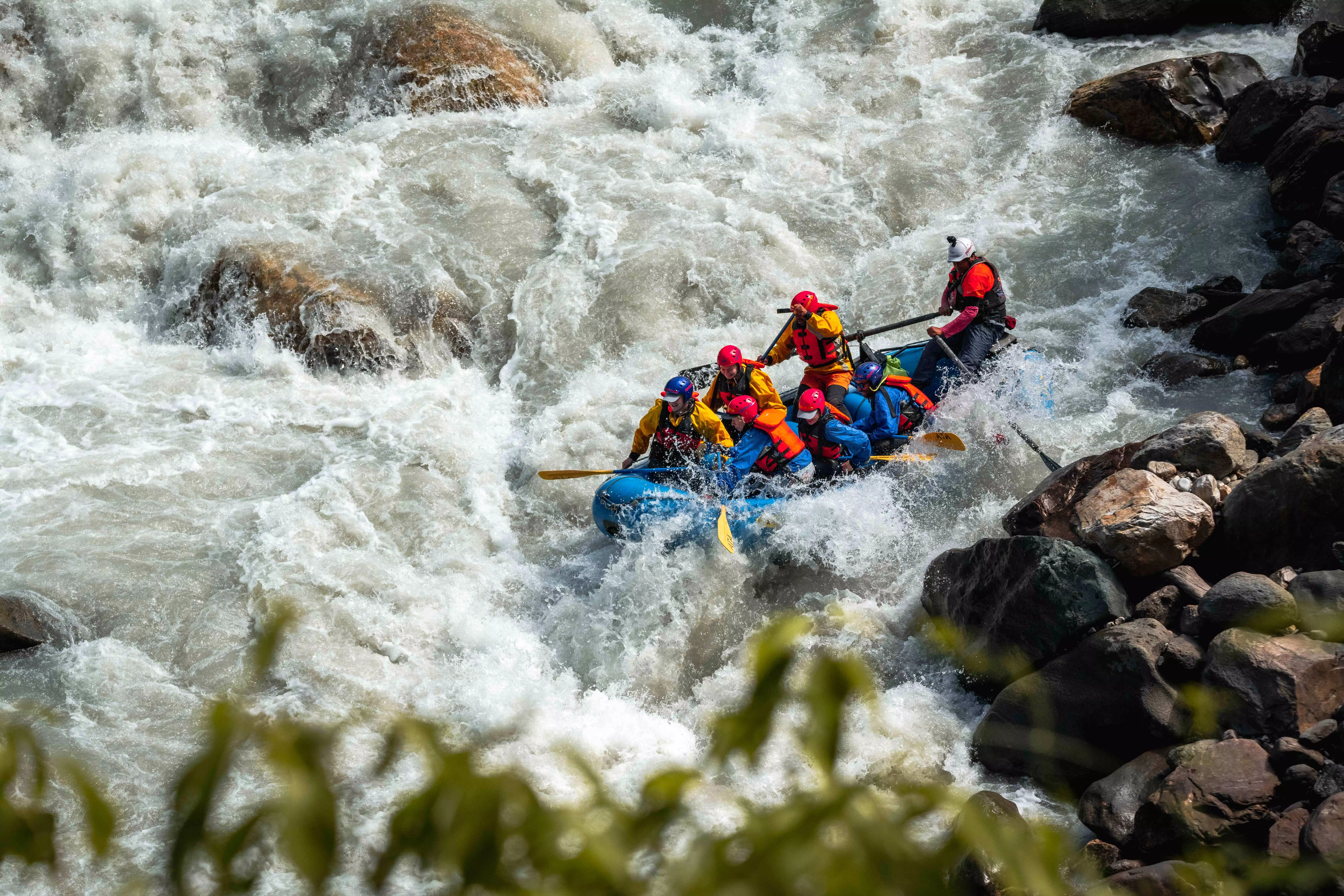
As adventure tourism gains unprecedented momentum in India, questions around safety, regulation and environmental responsibility are becoming impossible to ignore. Adventure tourism entrepreneur and founder of Aquaterra Adventures, Vaibhav Kala, speaks about the urgent need for stronger accountability, climate-conscious expedition planning and building a culture of informed, sustainable travel beyond social media-fuelled thrill seeking.
With adventure tourism booming in India, are safety standards evolving fast enough to keep pace with demand?
While there are guidelines and regulations in place, the industry is still largely self-regulated because of gaps in enforcement. There is a national board for adventure tourism, and BIS standards are currently being developed. The standards broadly exist, but companies need to ensure their own systems are robust. This means maintaining top-quality gear, employing experienced guides and strictly following established safety protocols.
What are the biggest safety mistakes first-time adventure travellers continue to make today?
A lack of awareness often leads people to make poor choices when selecting trips. Adventure travel needs to be matched with an individual’s ability, aptitude, inclination and fitness levels. Choosing the right operator is critical. Travellers should look for companies with proven credentials and experience, and make decisions based on value and safety rather than just price.
How important is regulation and operator accountability in preventing accidents in India’s adventure tourism sector?
It is absolutely at the top of the list, especially in adventure travel. States need to license guides and operators while ensuring compliance and proper registration of qualified outfits. Ideally, no license or registration should mean no adventure operation is allowed to function. Preventing accidents is critical because incidents not only harm people but also damage the reputation and unique appeal of destinations.
Has the rise of social media-driven “extreme travel” increased risky behaviour among adventure enthusiasts?
Absolutely. This is once again linked to a lack of awareness. It needs to be addressed through stronger customer awareness campaigns and perhaps even educational toolkits for people interested in adventure travel experiences.
What role does climate change and unpredictable weather now play in planning safe expeditions in the Himalayas?
Climate change now plays a massive role and has become a certainty that operators must plan around. It has made choosing the right adventure activity at the right time extremely important. Monitoring weather forecasts, ensuring communication systems are in place for remote expeditions and equipping guides with radios are all essential. Teams must also be trained for evacuations, and every expedition should have a Plan B along with backup resources such as additional guides to deal with sudden weather-related disruptions.
As adventure tourism expands rapidly, how do you balance accessibility, thrill and environmental responsibility without compromising safety?
We have launched Treks For All, a new initiative that offers adventure experiences for persons with disabilities. For nearly a year and a half, we have been conducting treks and adventure camps to encourage accessible travel, which also aligns with India’s Sustainable Development Goals.
Environmental responsibility begins with simple Leave No Trace principles, ensuring that we take nothing but photographs and leave nothing but footprints.
Aquaterra has spent three decades building a reputation in adventure travel. How has the brand evolved while keeping safety and sustainability at its core?
Since operating from 1995, we have witnessed the growth of adventure travel from its early days in India. Preserving destinations, safeguarding their unique appeal and keeping safety as the highest priority have always remained central to our philosophy. Investing in the best gear, experienced guides and adherence to safety guidelines has helped us remain true to the ethos and spirit of authentic adventure travel.
