3 symptoms to watch out for By Nial Wheate, Macquarie University Slade Matthews, University of Sydney Sydney
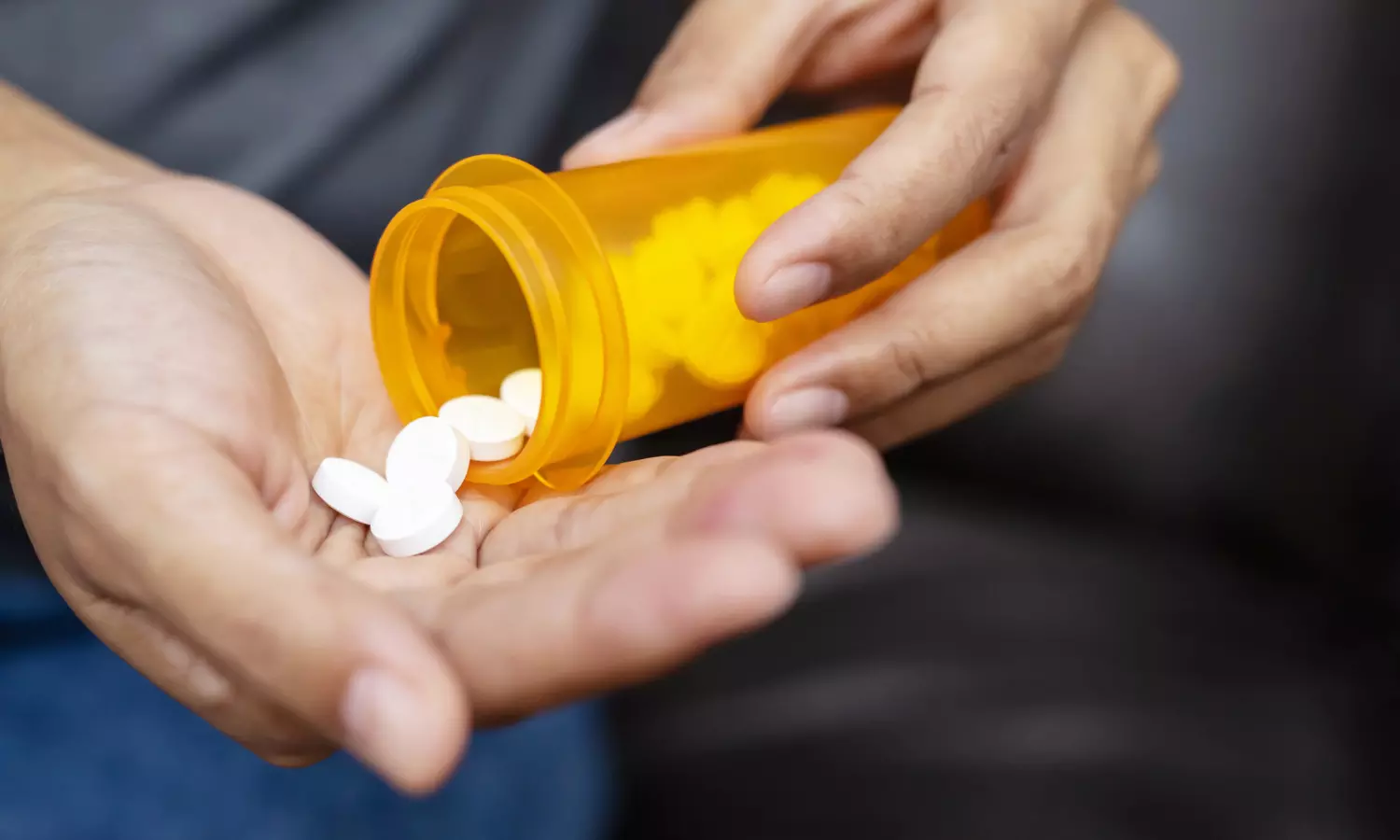
Side effects from taking too much vitamin B6 including nerve damage may be more widespread than we think, Australia's medicines regulator says.
In an ABC report earlier this week, a spokesperson for the Therapeutic Goods Administration (TGA) says it may have underestimated the extent of the side effects from vitamin B6 supplements.
However, there are proposals to limit sales of high-dose versions due to safety concerns.
However, there are proposals to limit sales of high-dose versions due to safety concerns.
A pathologist who runs a clinic that tests vitamin B6 in blood samples from across Australia also appeared on the program. He told the ABC that data from May suggests 4.5 per cent of samples tested had returned results very likely indicating nerve damage.
So what are vitamin B6 supplements? How can they be toxic? And which symptoms do you need to watch out for? What is vitamin B6? Vitamin B6, also known as pyridoxine, plays an important role in keeping the body healthy. It is involved in the metabolism of proteins, carbohydrates and fats in food. It is also important for the production of neurotransmitters chemical messengers in the brain that maintain its function and regulate your mood.
Vitamin B6 also supports the immune system by helping to make antibodies, which fight off infections. And it is needed to produce haemoglobin, the protein in red blood cells that carries oxygen around the body.
Some women take a vitamin B6 supplement when pregnant. It is thought this helps reduce the nausea associated with the early stages of pregnancy. Some women also take it to help with premenstrual syndrome. However, most people don't need, and won't benefit from, a vitamin B6 supplement. That's because you get enough vitamin B6 from your diet through meat, breakfast cereal, fruit and vegetables.
You don't need much. A dose of 1.31.7 milligrams a day is enough for most adults. Currently, vitamin B6 supplements with a daily dose of 5200mg can be sold over the counter at health food stores, supermarkets and pharmacies. Because of safety concerns, the TGA is proposing limiting their sale to pharmacies, and only after consultation with a pharmacist.
( Source : Deccan Chronicle )


Next Story