Diljit Dosanjh, Ram Charan Wear Indian Attire with Unmatched Ease: S&N

From Diljit Dosanjh’s authenticity and Ram Charan’s bandhgala moments to why tier-two India is a myth, designers Shantanu and Nikhil decode the new Indian man, his wardrobe and the future of menswear.
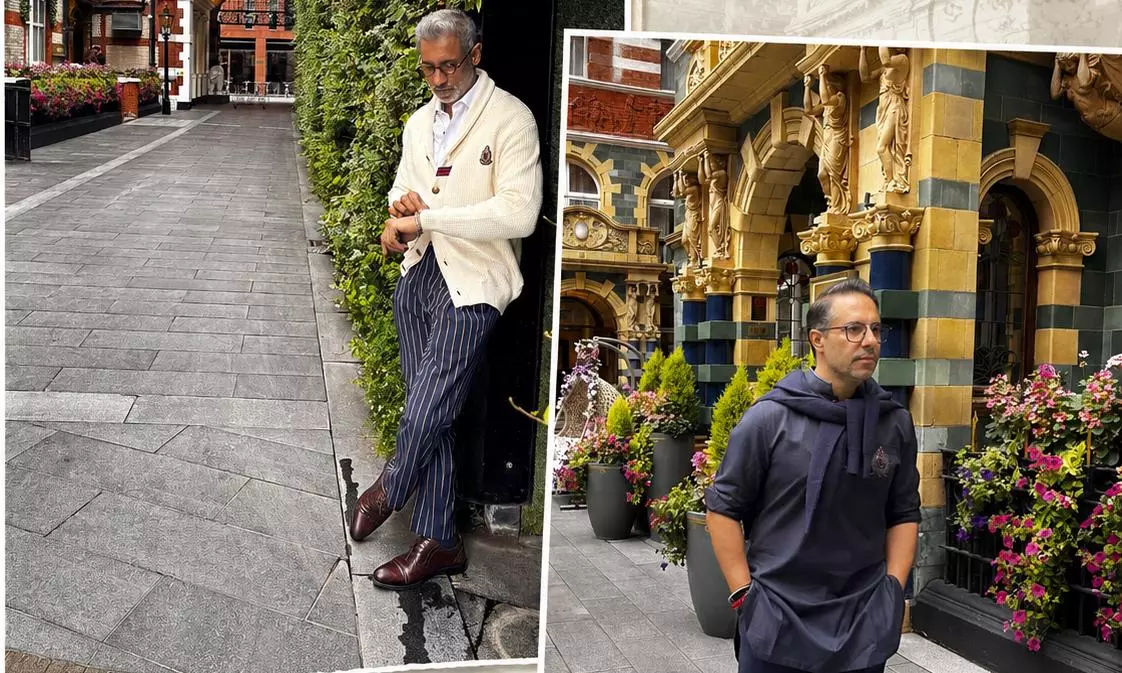
What does the modern Indian man want from his wardrobe that he didn’t a decade ago?
A decade ago, the Indian man barely had a wardrobe. He was probably sharing cupboard space with his partner. Today, he wants a complete wardrobe that includes western, contemporary, Indo-western and Indian pieces. More importantly, he wants clothes that work together across the year without overthinking what to wear. Men today want versatility. They want fabrics, textures and silhouettes that allow them to mix and match effortlessly instead of buying clothes for isolated occasions.
Has the Indian man become more experimental with fashion?
Absolutely. One of the biggest myths we've broken is that Indian men don't experiment. I actually believe the Indian man is more experimental than men anywhere else in the world. When we introduced draped silhouettes years ago, people thought they wouldn't work. Today, they have become part of mainstream menswear. The Indian man is finally embracing softer masculinity and expressing himself without hesitation.
Are Indian designers changing that conversation?
Earlier, men largely depended on international brands for everyday clothing and Indian designers for weddings. With S&N, we wanted to bridge that gap. We brought heritage, craftsmanship and Indian sensibilities into categories that were traditionally considered western. It’s encouraging to see other designers entering this space now because Indian menswear deserves far more attention.
Do shoppers in tier-two cities dress differently from those in metros?
I actually don’t believe in the phrase ‘tier-two mindset’. Infrastructure may differ, but ambition doesn’t. Entrepreneurs, young professionals and business owners in these cities think globally. They consume fashion exactly the way someone in Delhi or Mumbai does. Our experience has reinforced that. The customer isn’t defined by geography but by mindset. Whether it’s Chennai, Chandigarh, Jaipur or Hyderabad, people respond to the same design language when it resonates with them.
What surprised you the most about customers?
Chennai is a great example. We have been selling digitally printed silk shirts there from the beginning, and they have done exceptionally well. They are bold, avant-garde designs, which tells us that customers everywhere are willing to experiment if they connect with the product.
What is the next big shift in Indian menswear?
I don't think it’s coming. I think it has already happened. The shift began after Covid. Now the challenge is sustaining it. The future lies in expanding categories, introducing new silhouettes and giving men more ways to build complete wardrobes instead of focusing on one hero product.
Is there one menswear trend you wish would disappear?
Loose sherwanis. Those oversized ghagra-style kurtas. I think we have moved beyond that.
Bandhgala or blazer?
Both. I genuinely love both equally. They each have their place.
Who is the most stylish Indian man today?
I would say Diljit Dosanjh. Not simply because of what he wears, but because of who he is. His personality shines through everything. He’s deeply rooted in India and never changes who he is, even though his style keeps evolving. Diljit can wear high street fashion, a tuxedo or a beautifully tailored bandhgala and make all three feel authentic. That’s rare.
Diljit Dosanjh (Image/Instagram via @diljitdosanjh)
What is one wardrobe essential every Indian man should own?
A bandhgala. It represents India beautifully. It’s our equivalent of formalwear. Just as a tuxedo has become the universal western formal garment, the bandhgala should represent India globally.
Ram Charan has worn your creations on international stages. What suits him best?
I genuinely think Ram Charan looks strongest in sartorial Indian clothing. For his physique, the closed-neck silhouette of a well-tailored bandhgala works better than an open jacket or suit. It gives him presence. When Ram Charan wore the black bandhgala with the red stole for the Oscars, it demonstrated that Indian formalwear deserves the same respect globally that the tuxedo enjoys. We shouldn’t always have to borrow western dress codes for international red carpets.
Ram Charan
Sneakers have become almost universal. Do they belong with everything?
Sneakers reflect comfort and personality. After Covid, formality changed across the world. There was a period when sneakers were paired with everything, including bandhgalas and sherwanis. That trend has settled down now, but sneakers remain an important part of a man’s wardrobe because they offer comfort that traditional formal shoes often cannot.
Which colours are men embracing today?
Softer palettes are doing extremely well. Fawn, dusty rose, moss green, light beige, stone and soft greys. Men are becoming far more comfortable with understated colours.
Is there a fashion rule you enjoy breaking?
We don’t break fashion rules, we make them. Right now, I enjoy oversized shirts with the buttons left open. It reminds me of that relaxed Jackie Shroff style from the 1980s.
Which personalities embody the S&N aesthetic today?
Hardik Pandya has done it beautifully. Abhishek Sharma has a youthful energy. Rishab brings elegance. Even people outside entertainment, like Union Minister Ram Mohan Naidu, wear the brand naturally. We are seeing interesting personalities beyond Bollywood embrace the label.
What is Gen Z getting right?
They are simply being themselves. My generation worried about following trends and copying global icons. Gen Z isn’t afraid to wear what feels authentic to them, and I admire that.
Is there one piece in your wardrobe you could never part with?
Shantanu: A perfectly tailored bandhgala and a beautifully cut suit.
Nikhil: A navy short kurta I have had since 2005. Some clothes stay with you because they become part of your story.
