Nature-Inspired Architecture: A Conversation with Manish Banker

A humanised space is one that settles you down with your own self, rather than pulling you away. It’s about connecting us to nature
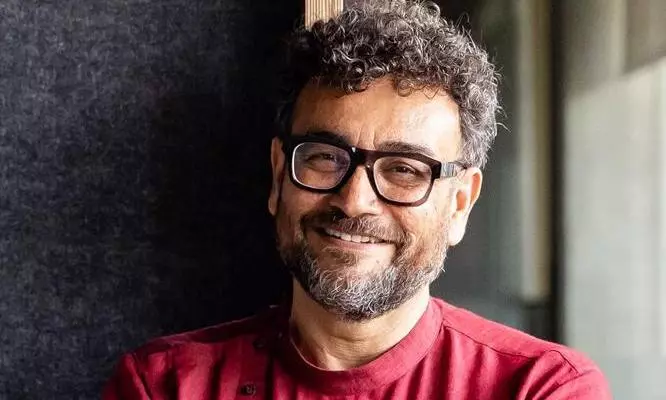
Manish Banker—Founder & Principal Architect—TAO Architecture, is redefining the boundaries of sustainable design, creating spaces that not only coexist with nature but also promote well-being. His work at Swastik Wellness Sanctuary serves as a shining example of his innovative approach.
Your Instagram profile says creating human spaces. How do you define human spaces?
To me, human spaces are about humanising the spaces we create. We are in the era of industrialisation and digitalisation, but we must not forget our core connection to nature.
A humanised space is one that settles you down with your own self, rather than pulling you away. It’s about connecting us to nature. I see architecture as a way to connect us to the evolutionary process of nature—the breeze, flowers, mountains, and changing light. What we build should be a device to connect us to that evolutionary process. That’s what I call a humanised space.
How do you blend traditional Indian elements with modern aesthetics?
To blend traditional Indian elements with modern aesthetics, you have to understand that human beings are the same everywhere. Whether in a city, village, or nature, our core remains the same.
In cities, people are stressed, but you can create pockets of nature, like a small flower vase or planter. This connects us to nature. Our senses, gifted by God, are always at stake. Using natural materials, like wood or textural floors, helps people connect with nature.
All materials are beautiful, but how you use them, treat them, and expose them is important. Metal, glass, and all the materials are made of nature. It’s about giving them an identity and using them sustainably.
Your work at Swastik Wellness Sanctuary in Pune is much talked about. How did you create that?
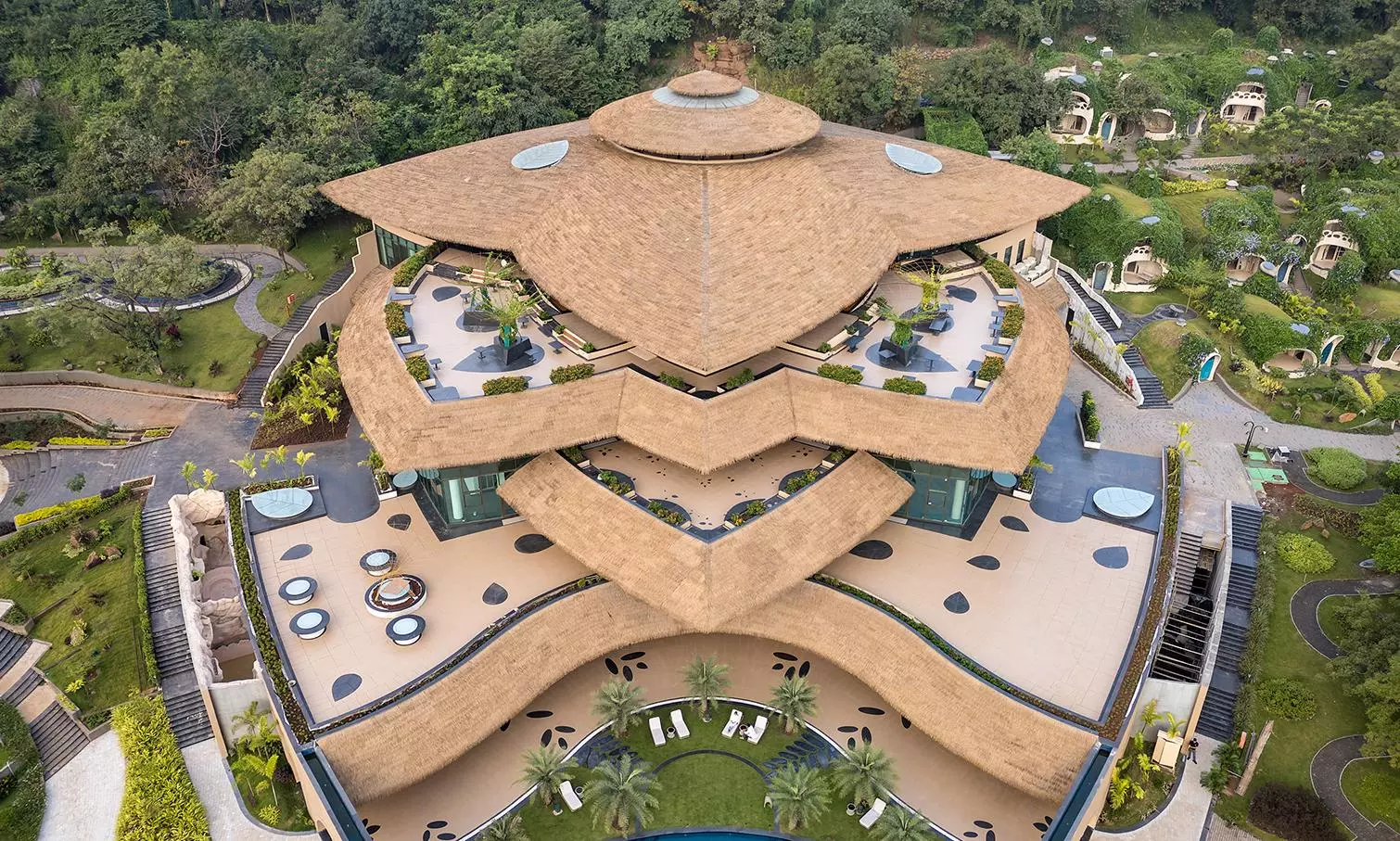
When planning Swastik Wellness Sanctuary in Pune, I drew inspiration from the site’s natural beauty, with its valley form, surrounding mountains, and overlooking Khadakwasla backwater and Sahyadri hills. I wanted the buildings to disappear, allowing nature to take center stage.
The toughest part was managing the contoured site, with a 200-foot drop. We had to set the buildings and functions in a way that each had a great view. I wanted to bring the outside in, framing the mountains, water, and nature. The architecture emerged from this idea.
The logo, designed by my brother, was also an inspiration. The Swastik pattern, with its intertwining arms, influenced the design of the buildings. Each petal of the Swastik represents a different function— entrance, lounge, restaurant, and kitchen.
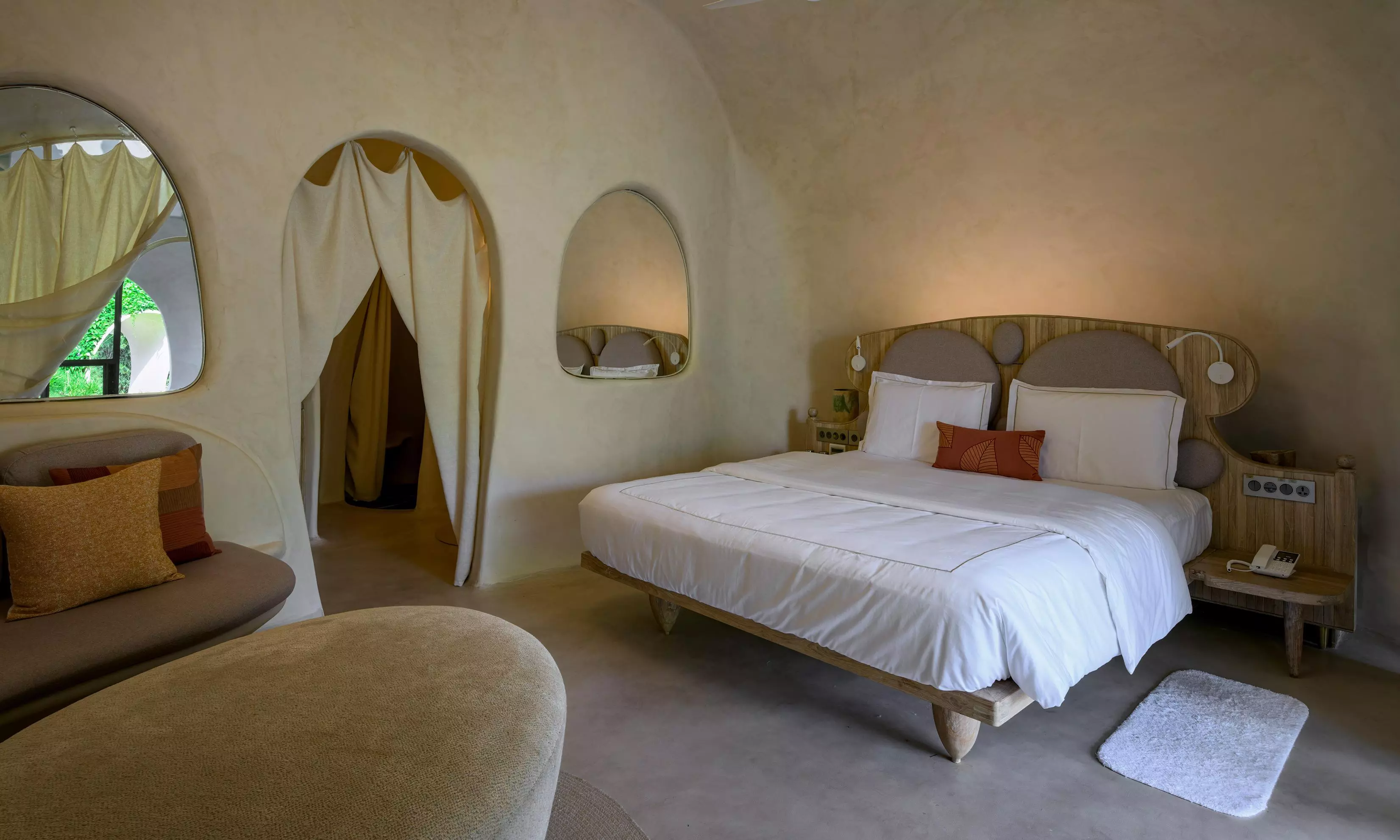
For the rooms, I wanted to create a cozy environment, like a womb, where guests could settle down and connect with nature. The design features a verandah, peeping window, and use of natural fabrics and art pieces to create a sense of warmth and protection.
What was the idea behind incorporating earthy décor and natural elements into the design of the Guha spaces?
We designed the space, which we call a Guha, to be an organic cocoon where people can sink in, feel cozy, and connect with nature. We used ferrocrete to create organic shapes, and avoided sharp corners and industrial materials.
Instead of doors, we used curtains to create a soft, fabric-based environment. The light is indirect, and the colour tones are monochromatic. We also incorporated passive ventilation, with chimneys to let out hot air and pull in cool air.
To minimise energy consumption, we used sensitive lighting solutions, natural light, and thermal insulation. We also used non-toxic, acrylic-based paints, cotton fabrics, and salvaged wood. The distressed finish on the wood gives it a sensitive touch and feel.
We encourage guests to walk barefoot, which helps with earthing and neutralises the bioelectricity in the body. This is important for maintaining a healthy heart rate and blood pressure.
The primary structure, the Guha, is designed to be submissive to nature, humble, and invisible. We created little pockets where people can peep out and see the surroundings.
How did you design the music therapy room to create an intimate and effective therapeutic environment?
The music therapy room required an intimate environment to let each seeker be by themselves. Sound is a medium to create a therapeutic experience, treating the psychological body.
Before entering the sound therapy, we created a transit space to settle down. The environment is designed to mimic the night sky, with a starry, glittery scene and absolute silence. We even created a replica of the moon and Mars to connect us to the larger universe.
This transit space helps prepare you for the therapy, allowing you to go within yourself. The architecture and interiors aid in this process, making the sound therapy more effective. Ambience matters a lot; if I were to give you sound therapy here, it wouldn't be the same.
How do you incorporate sustainable principles and eco-friendly materials into your architectural designs?
The universe has been sustaining itself for millions of years. But as humans, we have unconsciously disturbed the ecosystem through industrial development and technology. We are now aware of the need for sustainability, to not disturb the ecological system.
As architects, we must highlight aspects that sustain our globe. The whole universe is healing by itself, and we must be sensitive to not disturb the natural process. We need technological inventions that are sensitive to the ecological system.
Is a green building more expensive than a conventional building, and if so, is it worth the extra cost?
We have become insensitive to natural things due to commercialisation. Organic farming, for instance, is more expensive because it requires more work. Similarly, in architecture, natural stones are cheaper, but people often prefer artificial tiles. However, using natural materials with less carbon footprint is more sustainable.
A green building may seem expensive, but it’s a one-time investment with no recurring expenses. For example, using insulated glass reduces air conditioning loads. Sensitively designing with natural materials, like wood and stone, creates an organic building. It’s not about being special, but about being sensitive to nature.
