Shaheedi Saptah: Weeklong Tribute to Guru Gobind Singh’s Martyred Family

1 Dec 2025 6:25 PM IST1 Dec 2025 6:25 PM IST
The sacrifice of the Chaar Sahibzade and their grandmother completed the sacrifice of the Guru's entire family, etching an unparalleled saga of determination, moral strength, and spiritual adherence into the world's consciousness.
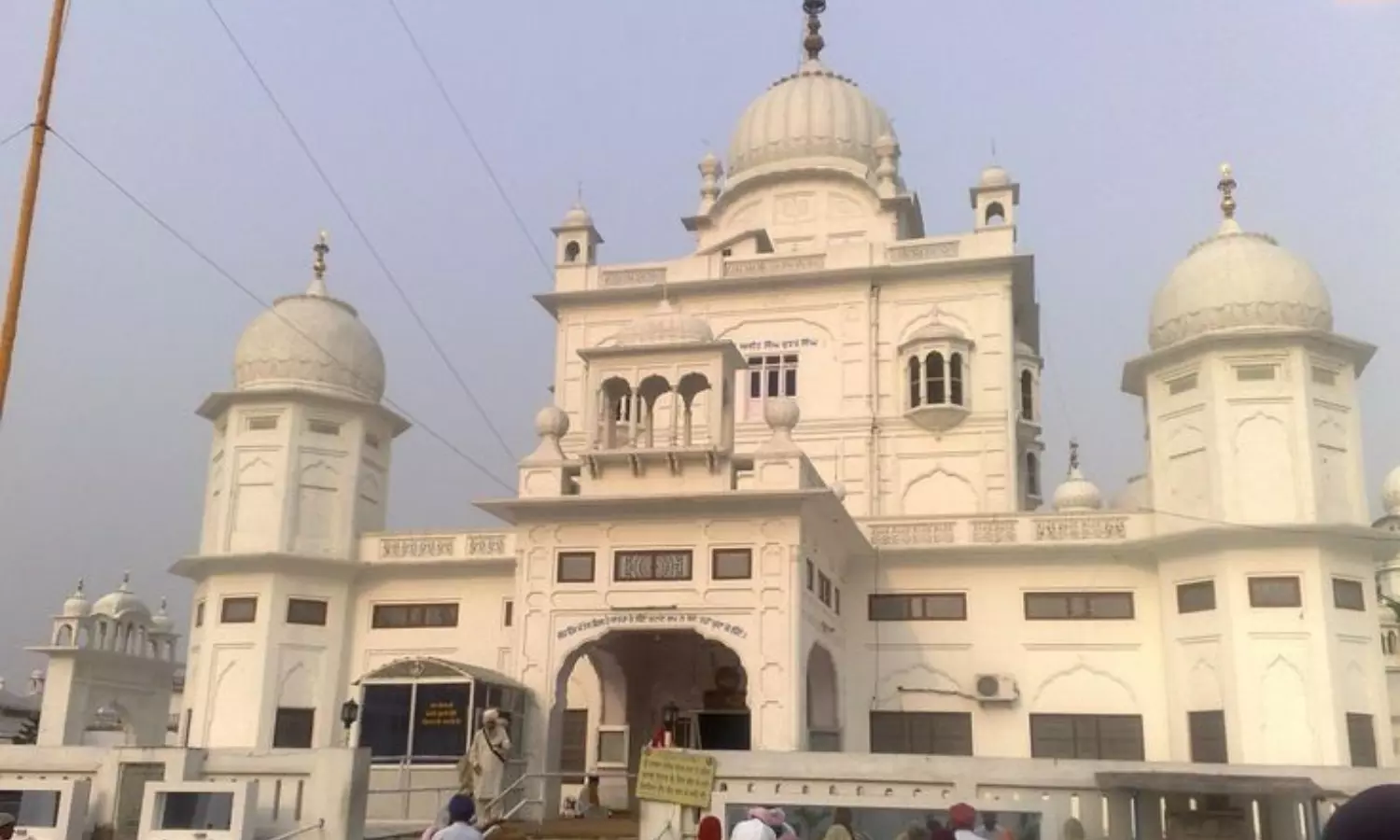
Representational Image
December 21 to 27 marks one of the most sacred and solemn periods in Sikh history, honouring the martyrdom of Guru Gobind Singh’s entire family. Known as Shaheedi Saptah or Martyrdom Week, it stands not only as a religious observance but also as a universal tribute to courage, dignity, and the unwavering defence of principles in the face of tyranny.
This tragic sequence of events began to unfold on the cold night of December 20th, 1705, when the Guru's family had to be evacuated from the besieged Anandpur Sahib fort under broken promises of safe passage by Mughal forces. While perilously crossing the flooded Sarsa River, Guru's family was separated, which is mourned as Parivar Vichora, or Family Separation.
The Elder Sahibzadas at Chamkaur (Dec 22)
The most ferocious clash occurred on 22nd December at the mud fortress of Chamkaur Sahib. Guru Gobind Singh and his two elder sons were pitted against a gigantic Mughal army, estimated to be in thousands, with only forty loyal Sikhs, the Chali Mukte. The two older princes, Baba Ajit Singh, aged 18, and Baba Jujhar Singh Ji, aged 14, took turns leading small squads out of the Garhi. They fought with unparalleled valour, earning glorious martyrdom, inspiring a few remaining Sikhs in one of the greatest last stands in history.
The Younger Sahibzadas at Sirhind (Dec 24-27)
Meanwhile, the two younger Sahibzadas- Baba Zorawar Singh, aged 9 years, and Baba Fateh Singh, aged 6 years-along with their grandmother, Mata Gujri, were taken captive and delivered into the hands of the merciless Governor of Sirhind, Wazir Khan. They were put in the very cold 'Thanda Burj' (Cold Tower).
Thus, for three days, immense psychological pressure was mounted on the young princes. Wazir Khan offered them wealth, comfort, and power if they would only give up their faith and embrace Islam. But against their tender years and against the chilling conditions, the lessons of the grandmother and the congenital faith had rendered their determination unbreakable. They stood firm, fearlessly rejecting the governor's offers and threats.
Infuriated by their disobedience, on December 26th, Wazir Khan gave the unimaginable command. Both nine and six-year-old boys were bricked alive in a wall in a ruthless way. After the fall of the ill-fated fence, they were summarily executed and became the youngest martyrs in recorded history to die deliberately for their faith. When Mata Gujri heard the news about the ultimate sacrifice of her dear grandsons, she died of shock and grief in the tower on December 27th.
The sacrifice of the Chaar Sahibzade and their grandmother completed the sacrifice of the Guru's entire family, etching an unparalleled saga of determination, moral strength, and spiritual adherence into the world's consciousness. This extraordinary valour is commemorated formally by the Government of India on December 26th as 'Veer Bal Diwas' (Brave Children's Day).
Today, on Shaheedi Saptah, millions throng the historic sites, especially Fatehgarh Sahib, where the younger Sahibzadas were martyred, and engage in solemn ceremonies, Shaheedi Jor Mela, to ponder the great price paid for religious liberty and refresh their resolve for righteousness, Dharma.
The article has been authored by Siftpreet kaur, an Intern at Deccan Chronicle
( Source : Deccan Chronicle )

Next Story