Sambalpur Calling: Where the Jungle Grooves to Handloom Beats

From tribal rhythms to textile runways, from wild safaris to the legendary Rangabati chorus—Sambalpur is stepping out of Odisha’s shadow and into India’s cultural spotlight.
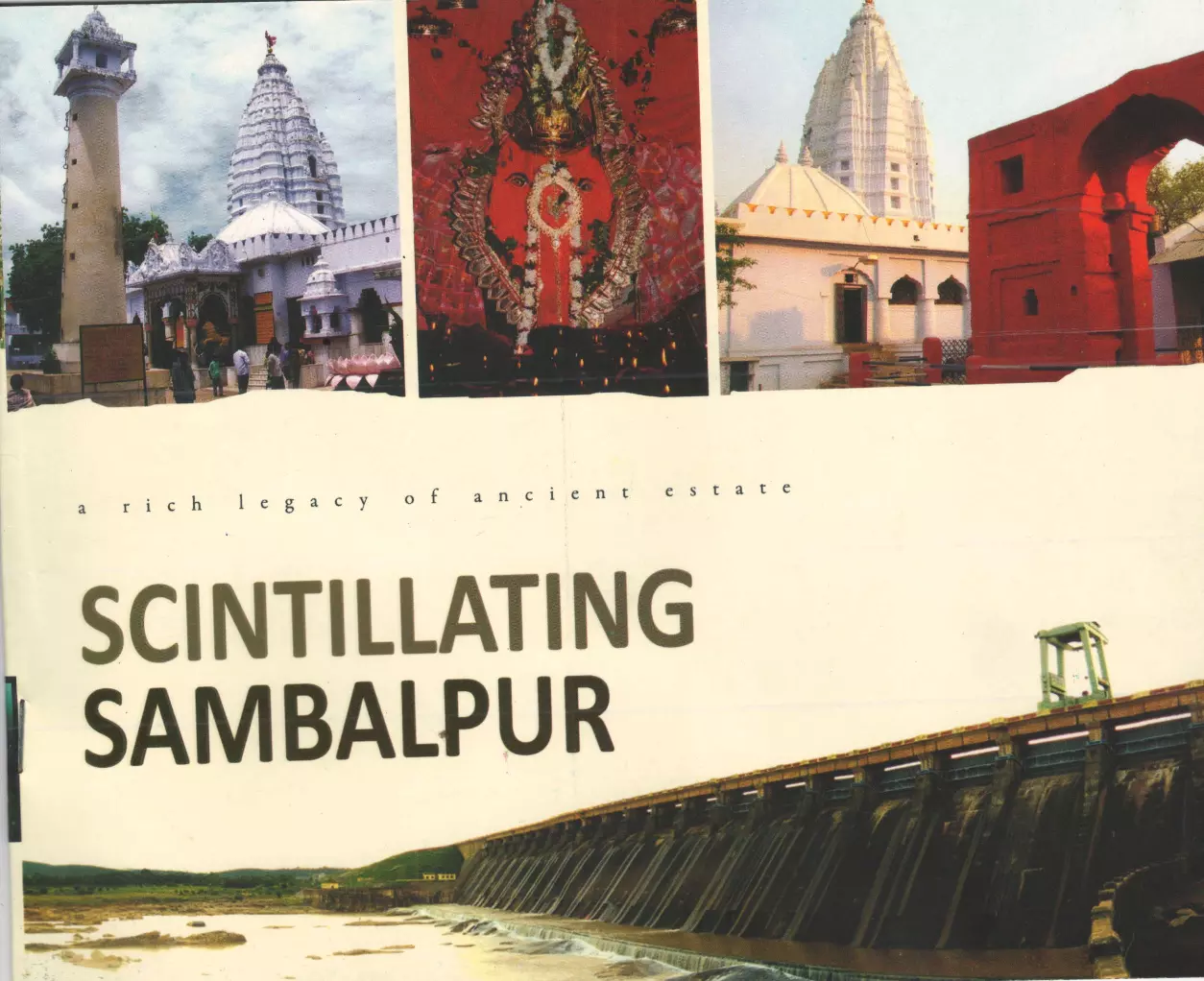
While Odisha’s coastal cities—Puri, Bhubaneswar, and Cuttack—have long been the face of the state’s tourism, a vibrant cultural and ecological renaissance is quietly unfolding in its western heartland. Sambalpur, a district rich with tribal heritage, handwoven textile traditions, and untamed natural beauty, is stepping into the national spotlight with a compelling story—and a festival to match.
This November, the Rangabati Mahotsav, a multi-city cultural experience celebrating Sambalpur's soul, will culminate in a grand finale at Delhi’s India Habitat Centre from November 21–23. The event promises to bring to urban India the rhythms, colors, and stories of a region too long overlooked in the state’s tourism narrative.
Beyond the Coast: Sambalpur vs. Odisha's Famous Trio
Puri draws pilgrims to the Jagannath Temple, Bhubaneswar impresses with its temple architecture and smart city credentials, and Cuttack stands tall as the state’s legal and cultural hub. But Sambalpur offers something refreshingly different: raw authenticity.
Here, tribal rhythms replace temple bells, and the sacred becomes synonymous with soil, song, and loom. It’s a place where the wild coexists with heritage, where the forest meets the warp and weft of tradition. It’s Odisha—but not as you know it.
Debrigarh: A Sanctuary of History and Wilderness
Debrigarh Wildlife Sanctuary, Bargarh
Tucked just 38 kilometers from Sambalpur town is the Debrigarh Wildlife Sanctuary, one of Odisha’s richest biodiversity zones. Bounded by the vast Hirakud Reservoir Debrigarh is not only a haven for wildlife—home to Indian gaurs, leopards, four-horned antelope, and over 200 species of birds—but also steeped in India’s freedom struggle.
Veer Surendra Sai, a revolutionary hero of the 19th century, once used this dense forest as a guerrilla base. Today, the sanctuary is being proposed as Odisha’s third national park and western Odisha’s first tiger reserve, positioning it at the center of a new conservation wave.
Eco-tourism here is community-driven, with well-run forest lodges, birding tours, trekking trails, and stargazing campsites. From early morning safaris to boat rides on the reservoir’s crystalline waters, Debrigarh offers a raw, immersive wilderness experience far removed from Odisha’s typical tourist routes.
The Woven Soul: Sambalpuri Textiles and Tribal Echoes
The cultural wealth of Sambalpur is deeply interwoven—quite literally—into its famed Sambalpuri textiles. These handwoven ikat masterpieces are globally recognized for their intricate designs, traditional motifs, and natural dyes. The legacy of master weaver Radhashyam Meher, often hailed as the father of Sambalpuri textiles, continues to shape the region's identity.
Unlike mass-produced garments, each Sambalpuri sari tells a story—of the loom, the land, and the hands that crafted it. Many designs are inspired by tribal life and local beliefs, with motifs depicting conch shells, wheels, flowers, and birds.
Sambalpur is also home to numerous tribal communities including the Binjhal, Gond, Soura, Bhuyan, and Mirdha, whose traditions seep into every element of local life. Folk dances like Dalkhai, Karma, and Koisabadi are not performances—they are living rituals of seasonal change, harvest, love, and devotion.
Interestingly, the region also bears a subtle cultural influence from neighboring Andhra Pradesh. This is evident in its textile techniques, certain border designs in saris, and even culinary intermingling, creating a unique cultural confluence not seen in Odisha’s coastal cities.
The Beat That Unites: Rangabati and the Mahotsav
Sambalpur’s most iconic cultural export, however, is undoubtedly the folk song “Rangabati.” First recorded in the 1970s, its soaring chorus and infectious rhythm captured the essence of rural Odisha and quickly transcended state lines to become a pan-Indian sensation. Today, “Rangabati” isn’t just a song—it’s an anthem of identity, joy, and resistance.
The Rangabati Mahotsav, named in its honor, is Sambalpur’s gift to modern India—a traveling festival that brings the region’s unique blend of art, sound, and soul to urban audiences.
The Mahotsav is not just about folk music. It is a 360-degree cultural experience:
Handloom fashion shows featuring authentic Sambalpuri weaves.
Temple aartis recreated with live instruments like the nishan, dhol, and muhuri.
Storytelling sessions on Veer Surendra Sai’s life.
Immersive jungle safaris virtually transport visitors to Debrigarh.
Live dance performances of tribal and folk traditions.
And of course, live renditions of Rangabati, guaranteed to bring audiences to their feet.
As the festival travels across metros in the coming weeks, culminating in a three-day cultural explosion in Delhi this November, it seeks to do more than entertain—it aims to educate, engage, and enchant.
A New Tourism Narrative
Sambalpur stands at the intersection of ancient traditions and emerging aspirations. While Puri and Bhubaneswar will always remain pilgrimage staples, it is in the forests of Debrigarh, the looms of Bargarh, and the beats of Rangabati that one discovers the living, breathing soul of Odisha.
For travelers seeking an alternative Odisha—one that is untamed, unscripted, and utterly unforgettable—Sambalpur offers the road less taken. And now, with the Rangabati Mahotsav, the road comes to you.
Mark the dates: November 21–23 at India Habitat Centre, Delhi. Come, experience Sambalpur—not as a place, but as a pulse.
