Pollution Control Day: A Call for Cleaner Air, Safer Lives

2 Dec 2025 4:37 PM IST2 Dec 2025 4:37 PM IST
According to studies, long-term exposure to polluted air can lead to severe respiratory diseases, heart ailments, and reduced life expectancy. In children and elders, the danger factor is even higher.
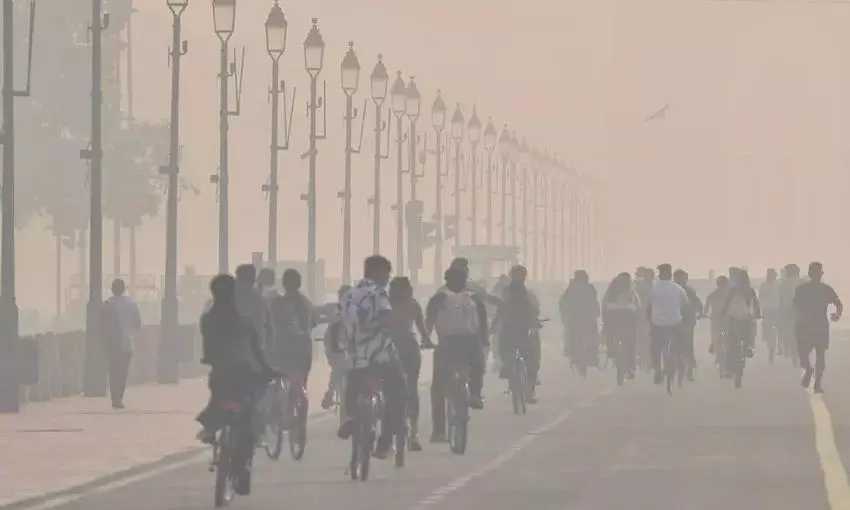
Representational Image/X
Every year, on December 2nd, National Pollution Control Day is commemorated in India as part of remembering those thousands who lost their lives in the disastrous Bhopal Gas Disaster in 1984—a disaster that was one of the worst industrial calamities in the world. More than anything, the day reminds us of our individual and collective responsibility toward the protection of the environment and a reduction in pollution to avoid such heartbreaking tragedies in the future. With growing levels of pollution across cities and rural regions, the day calls for action, awareness, and accountability.
The reason being, pollution has become one of the biggest challenges the world is facing in the present century. From noxious fumes asphyxiating metropolitan cities to water bodies contaminated with industrial waste, environmental degradation now poses a growing threat to human health and biodiversity. According to studies, long-term exposure to polluted air can lead to severe respiratory diseases, heart ailments, and reduced life expectancy. In children and elders, the danger factor is even higher. National Pollution Control Day, therefore, tries to draw attention to the urgent need to adopt preventive measures rather than be searching for remedial solutions.
A main highlight of this day is making people more aware of the laws on pollution and practicing sustainability. Emission monitoring by central and state government bodies, such as the Central and State Pollution Control Boards, along with the framing of eco-friendly policies by these entities, plays a significant role in keeping industrial waste in check. Over time, with the implementation of stringent vehicle emission norms, promotion of electric mobility, rules for segregation of waste at their source, and bans on single-use plastics, the rate of environmental degradation has reduced. However, controlling pollution needs more consistent implementation and stronger public participation.
Industries, too, are not an exception. The Bhopal tragedy taught India a hard lesson about negligence and poor safety protocols. Today, industries must follow mandatory environmental compliance, such as clean technologies and proper hazardous waste disposal. While progress has been made by a lot of companies, there is still a long way to go ahead. Pollution Control Day underlines that it is necessary for industries to balance growth with environmental safety.
Equally important is individual contribution. The simple habits of carpooling, reducing the use of plastic, saving water, planting trees, and correct waste disposal collectively create a big difference. These small steps contribute to a ripple effect that enhances community-level environmental action. Awareness rallies, plantation drives, clean-up campaigns, and workshops are often organised by schools, colleges, and NGOs to involve the youth in environmental stewardship. Young people, especially, are emerging as strong voices advocating a clean planet and greener future.
National Pollution Control Day is a remembrance of a tragedy but an assurance for a safer tomorrow. It calls for innovation, responsibility, and conscious choices from governments, industries, and individuals. The day serves as a reminder that the health of the planet is directly connected to the health of its people—something that is incontrovertibly threatened by continuous pollution. Only through collective effort can we ensure cleaner air, safer communities, and a sustainable future for generations to come.
The article has been authored by Siftpreet kaur, an intern at Deccan Chronicle
( Source : Deccan Chronicle )

Next Story