NYC Sushi Legend Masa Loses Third Michelin Star

The decision marks a dramatic moment in the city’s luxury dining landscape, where Michelin ratings play a crucial role in shaping reputation, demand, and pricing power.
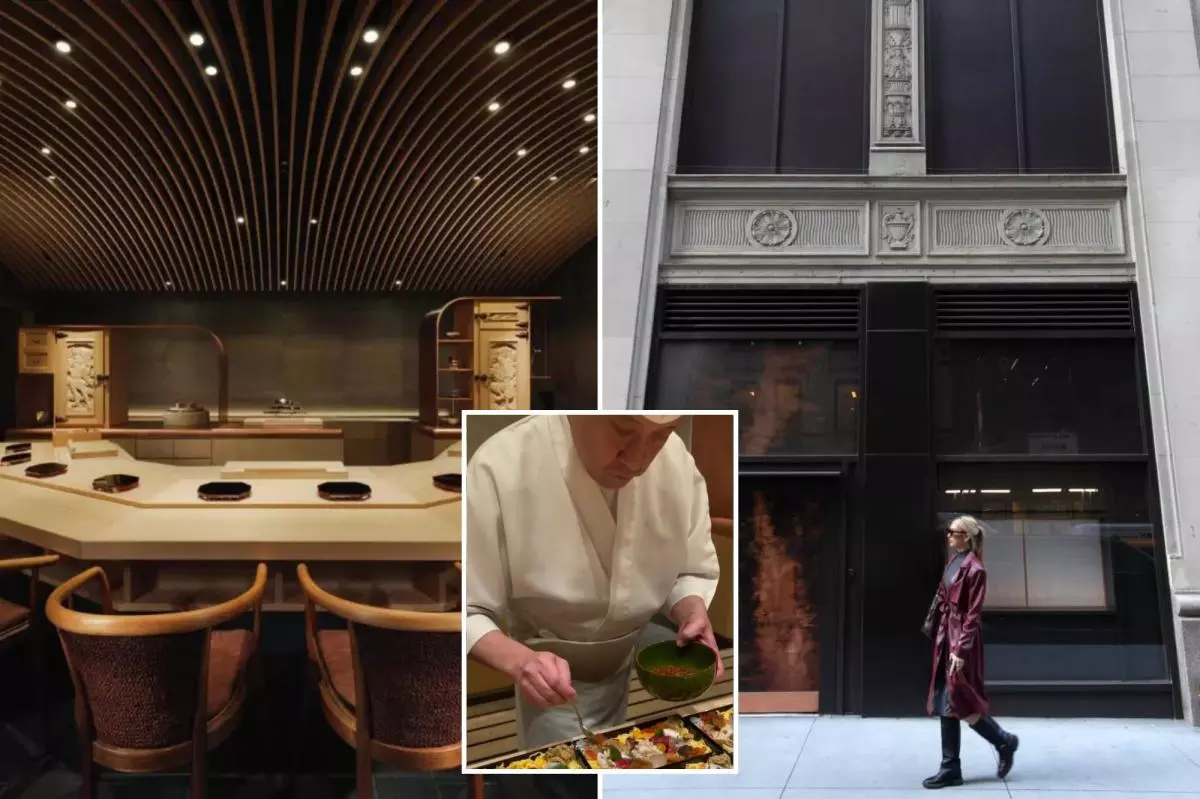
New York City’s iconic sushi restaurant Masa has been downgraded from three Michelin stars to two, marking the end of its long-standing reign as one of Midtown’s most prestigious fine-dining destinations, a move that has stunned both diners and critics alike.
The decision marks a dramatic moment in the city’s luxury dining landscape, where Michelin ratings play a crucial role in shaping reputation, demand, and pricing power. For more than 15 years, Masa has stood as a pinnacle of high-end Japanese cuisine in the United States.
Led by acclaimed chef Masayoshi Takayama, the restaurant built its legend on an omakase experience that combined extraordinary craftsmanship, pristine ingredients, and an intimate counter-style setting. Its price point starting around $750 per person and often exceeding $1,000 after supplements made it the most expensive restaurant in New York and one of the priciest in the world.
The Michelin downgrade, announced ahead of the guide’s regional ceremony, has raised immediate questions about what may have prompted the move. While Michelin rarely offers detailed explanations, the demotion suggests the guide’s inspectors found recent meals falling short of the consistency and exceptional quality required to maintain three-star status.
In an arena as competitive as New York’s omakase world, even minor shifts in execution, innovation, or ingredient selection can influence such decisions. Industry insiders say the impact on Masa could be significant. High-spending diners, particularly international travelers, often rely on Michelin ratings when choosing where to dine. A drop from three stars to two can lead to a notable decline in bookings, especially at a restaurant with only 26 seats and limited flexibility in adjusting pricing or volume.
Some analysts estimate that a demotion like this may reduce annual revenue by up to a quarter over time. The timing of the downgrade is also striking. New York’s sushi scene has evolved dramatically in recent years, with a wave of new omakase counters offering top-tier experiences at prices well below Masa’s. One such newcomer, Sushi Sho, was awarded three Michelin stars this year, signaling a shift in Michelin’s recognition toward a new generation of chefs bringing fresh perspectives to Edomae-style sushi.
In a statement following the announcement, Chef Takayama expressed gratitude to loyal guests and pride in his team’s dedication. He emphasized that Masa remains committed to excellence and will continue refining its craft. For many longtime patrons, the restaurant’s serene atmosphere, rare ingredients, and meticulous technique still represent an unparalleled culinary experience.
Nonetheless, the downgrade may serve as a turning point—not just for Masa, but for New York’s broader fine-dining landscape. As more diners seek high-quality omakase options at more accessible price points, and as emerging chefs earn global acclaim, the city’s definition of luxury Japanese dining is clearly shifting.
For now, Masa remains a two-star destination of exceptional quality. But its loss of the third star underscores a core truth of the Michelin world: no restaurant, no matter how celebrated, is immune to change.
This article has been authored by Sakshi, an intern at Deccan Chronicle
