Sustainability, Authenticity Reshaping India's Ethnic Wear Market

With consumers increasingly seeking provenance, craftsmanship and timeless design, India's premium ethnic wear sector is entering a new phase of growth. Dinesh P Talera, Co-founder of Mysore Saree Udyog, explains why authenticity remains the brand's greatest strength.
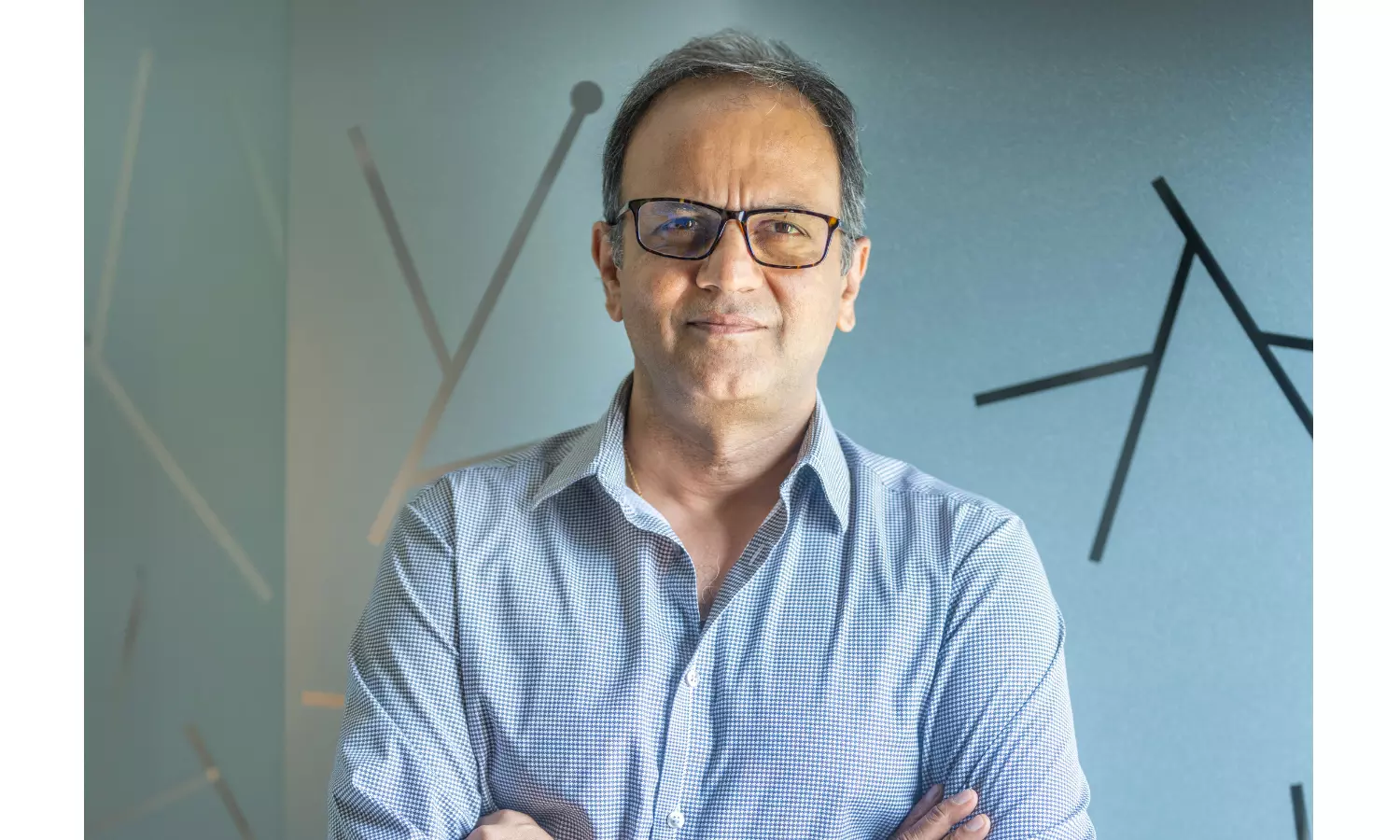
Mysore Saree Udyog (MSU) is positioning itself at the intersection of heritage craftsmanship and modern retail innovation, as India's premium ethnic wear market experiences strong growth. With expansion plans, technology-driven operations, a focus on authenticity, and commitment to sustainable handloom traditions, the brand aims to strengthen its leadership in the evolving luxury ethnic wear segment.
Check the excerpts from the interview with Dinesh P Talera, Managing Director of Mysore Saree Udyog (MSU) below:
How do you see India's premium ethnic wear market evolving over the next five years, and where does MSU fit into that growth story?
India's premium ethnic wear market is at a genuinely exciting inflection point. Consumers today, whether they are a 25 year old IT professional in Bengaluru or a homemaker in Hyderabad, are no longer choosing between tradition and aspiration. They want both. The segment is expected to grow significantly over the next five years, driven by rising disposable incomes, a resurgent pride in Indian craftsmanship, and the visibility that social media has given to handloom and heritage textiles.
We are a legacy brand known for innovation, trust, and a customer centric approach. For Mysore Saree Udyog, this is not a trend we are riding. It is the story we have been building since 1982. As the market matures and consumers become more informed about what they are purchasing, provenance and purity will become the defining differentiators. That is exactly where MSU sits, not as a challenger, but as the benchmark.
Our focus going forward is to deepen our presence among customers who have both the means to choose and the knowledge to value authenticity. We believe the next five years will reward brands that are genuinely rooted, transparent about their craft, and consistent in quality. We intend to be that brand at scale.
With Hyderabad marking your first major expansion outside Bengaluru, how aggressive is MSU’s offline retail growth roadmap going forward?
Hyderabad was a considered decision. Telangana and Andhra Pradesh have a deep, generational love for Mysore silk. Brides, families celebrating milestones, and women who grew up understanding the difference between a Mysore crepe and a Mysore georgette all form a strong customer base. We knew the appetite was there. What we wanted to ensure was that the MSU experience, including product quality, in store expertise, and trust, could travel with us. We believe it has.
The Hyderabad store is our proof of concept for a replicable expansion model. We have invested in structured retail operations, trained staff, strong inventory systems, and a clearly defined customer journey, so that what a customer experiences in our Bengaluru flagship store is what they experience in Hyderabad and eventually wherever we go next.
In terms of our roadmap, we are being deliberate. We are looking at markets where there is both cultural affinity for silk and an underserved demand for an authenticated, government recognised brand. The right cities are already on our radar, and we expect announcements in the coming period. The emphasis will always be on the quality of the retail experience rather than the speed of expansion.
How are technology integrations like ERP, barcoding and WhatsApp commerce shaping customer behaviour and operational efficiency at MSU?
When you are managing thousands of saree SKUs, each with its own weave, weight, zari count, and colour, operational precision is not optional. ERP and barcoding have fundamentally transformed how we manage inventory across locations. We can now track a saree from the weaver's loom to the store shelf and finally to the customer's hands with an accuracy and speed that simply were not possible earlier. This matters deeply because a Mysore silk saree is not a commodity. It has a story, and that story needs to be traceable.
On the customer side, WhatsApp commerce and video shopping have been a revelation. A large part of our audience, especially women who are the primary decision makers for silk purchases, prefer to browse, ask questions, and even place orders through WhatsApp and video consultations. We have built a responsive, personalised ecosystem around that behaviour. Customers can view catalogues, receive styling guidance, confirm availability, and complete transactions, all within a familiar, low friction interface.
What we are seeing is that technology does not change what our customers value. They still value craftsmanship, authenticity, and personal attention. Technology simply allows us to deliver those values more consistently, at greater scale, and on the customer's terms.
As younger consumers increasingly seek contemporary ethnic wear, how is MSU balancing heritage craftsmanship with modern design expectations?
This is a question we engage with every season and honestly, it keeps us sharp. The younger consumer, the woman in her late twenties or early thirties who is building her wardrobe with intention, wants something that feels timeless but does not look like she borrowed it from her grandmother's trunk. She wants Mysore silk, but she wants it in colours, silhouettes, or border designs that suit her lifestyle.
Our response has been to evolve our design vocabulary without ever compromising the integrity of the weave. We work with palettes that reflect contemporary sensibilities, including muted tones, pastels, and structured minimalism, while preserving the silk quality, zari work, and craftsmanship that define a genuine Mysore silk saree. We have also expanded our blouse design range and explored lighter, more versatile draping options that suit both professional and festive occasions.
What we do not do is chase trends. A Mysore silk saree is an investment piece and it should outlast seasons. Our design philosophy is therefore to create pieces that feel modern today and classic a decade from now. That is a fine balance, but it is exactly the balance our customer expects from us.
Do you see India's handloom and natural-fabric segment becoming a larger
There is a growing global appetite for slow fashion, for textiles that have a human story, a geographical identity, and a production process that consumers can stand behind. Indian handloom, and specifically GI tagged silks like Mysore silk and certifications such as Silk Mark and Handloom Mark, check every one of those boxes.
What the global luxury market rewards above all else is authenticity, the assurance that what you are buying is irreplaceable and impossible to replicate. A Mysore silk saree carries the weight of Karnataka's weaving tradition, refined over centuries, certified by the Government of India, and produced in a way that no machine can replicate. That is a compelling luxury narrative.
The work that remains is in elevation, including packaging, presentation, global retail partnerships, and the storytelling required to help international audiences understand the value of what they are holding. India has made meaningful strides in this direction, and MSU intends to be part of that global conversation. We are a heritage brand in the truest sense, and that is exactly what global luxury consumers are seeking.
What role will sustainability, artisan empowerment and textile preservation play in driving MSU's long-term business strategy and brand differentiation?
There is a growing global appetite for slow fashion, for textiles that have a human story, a geographical identity, and a production process that consumers can stand behind. Indian handloom, and specifically GI tagged silks like Mysore silk and certifications such as Silk Mark and Handloom Mark, check every one of those boxes.
What the global luxury market rewards above all else is authenticity, the assurance that what you are buying is irreplaceable and impossible to replicate. A Mysore silk saree carries the weight of Karnataka's weaving tradition, refined over centuries, certified by the Government of India, and produced in a way that no machine can replicate. That is a compelling luxury narrative.
The work that remains is in elevation, including packaging, presentation, global retail partnerships, and the storytelling required to help international audiences understand the value of what they are holding. India has made meaningful strides in this direction, and MSU intends to be part of that global conversation. We are a heritage brand in the truest sense, and that is exactly what global luxury consumers are seeking.
