Hermès Faces Scrutiny For Profiling Birkin Buyers

Luxury brand Hermès is under fire for allegedly profiling potential buyers of its coveted Birkin bags, raising questions about discrimination.
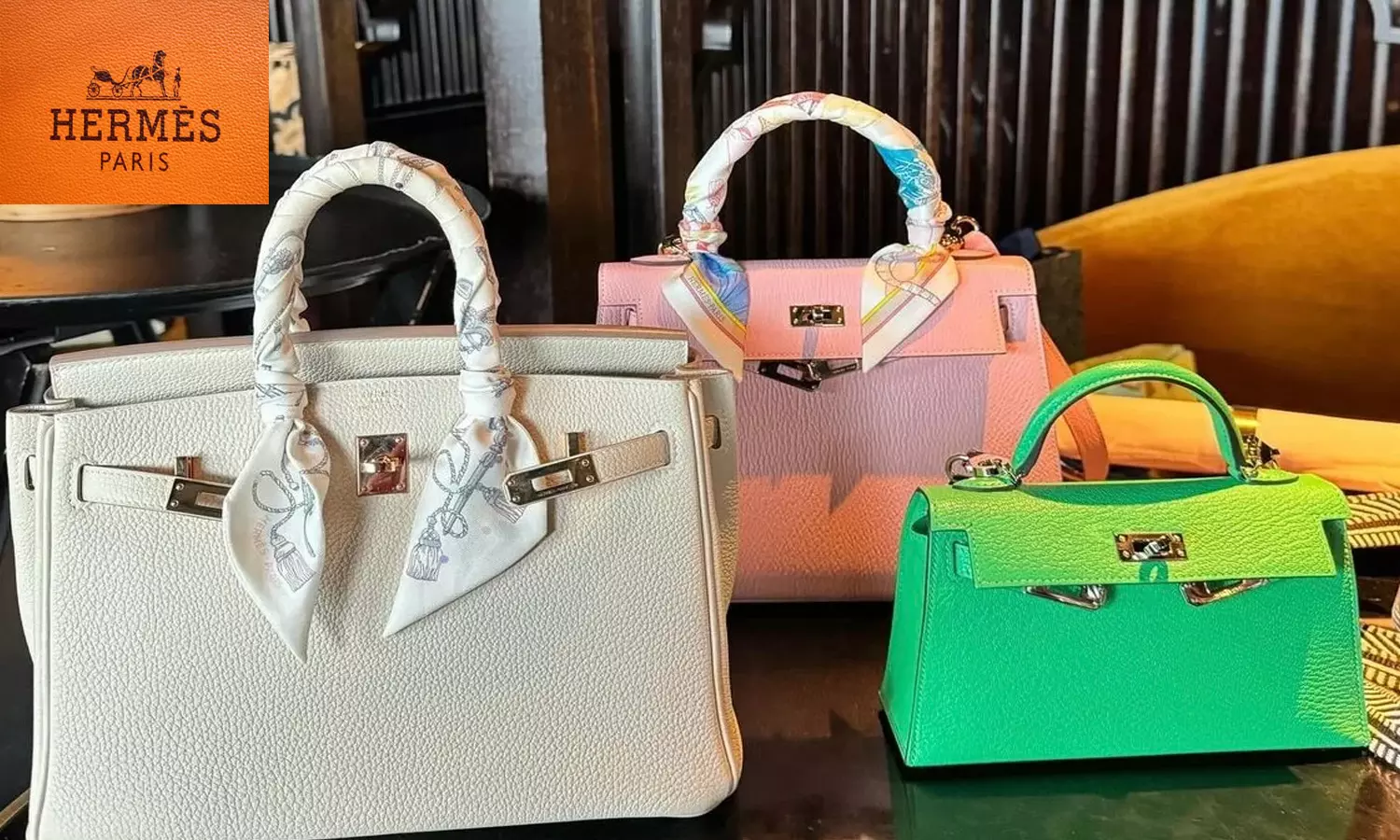
Hermès, the French luxury house synonymous with discretion and exclusivity, is facing renewed scrutiny following allegations that it conducts extensive background checks on potential buyers of its most coveted handbags. According to a January 2026 report by investigative publication Glitz, access to Hermès’ Birkin and Kelly bags, internally referred to as “quota bags”, may depend on far more than a customer’s ability to afford them.
The report claims that simply having the funds, with Birkin prices starting at around $10,000, is no longer sufficient. Instead, sales associates are allegedly examining clients’ personal lives in unprecedented detail before deciding who is deemed eligible to purchase one of the brand’s most exclusive items.
Unlike most luxury goods, Birkin and Kelly bags are not displayed openly in Hermès boutiques and cannot be purchased on demand. Customers must be invited to make a request, often after demonstrating long-term loyalty through repeated purchases across categories such as ready-to-wear, jewellery and homeware. This opaque process, widely known among shoppers as “The Hermès Game”, has long been shrouded in mystery, with no official guidelines on spending thresholds or waiting periods.
What’s new, as per the reports, is the depth of scrutiny allegedly applied behind the scenes. Sales associates are said to review clients’ home addresses to assess social standing, with affluent neighbourhoods reportedly reinforcing suitability while less prestigious postcodes may quietly reduce a buyer’s chances.
Social media activity is also believed to factor into decisions. Investigators allege that staff review public profiles to evaluate taste, spending habits and brand loyalty. Understated luxury, consistent engagement with Hermès products and an absence of resale behaviour are reportedly viewed favourably.
Fashion journalist Louis Pisano echoed these claims in a recent Instagram video, stating that clients’ social media content is actively scrutinised.
The scrutiny may continue even after a purchase. Buyers suspected of reselling Birkins for profit reportedly risk being informally blacklisted, while staff who approve such sales could face internal consequences.
Together, these allegations suggest Hermès is not simply selling handbags, but carefully curating who gets to carry them.
