Summer hydration is all about consistent intake to replace fluids lost through sweat. To prevent dehydration and heat-related issues, drink water regularly throughout the day, eat water-rich foods, and replace lost electrolytes.
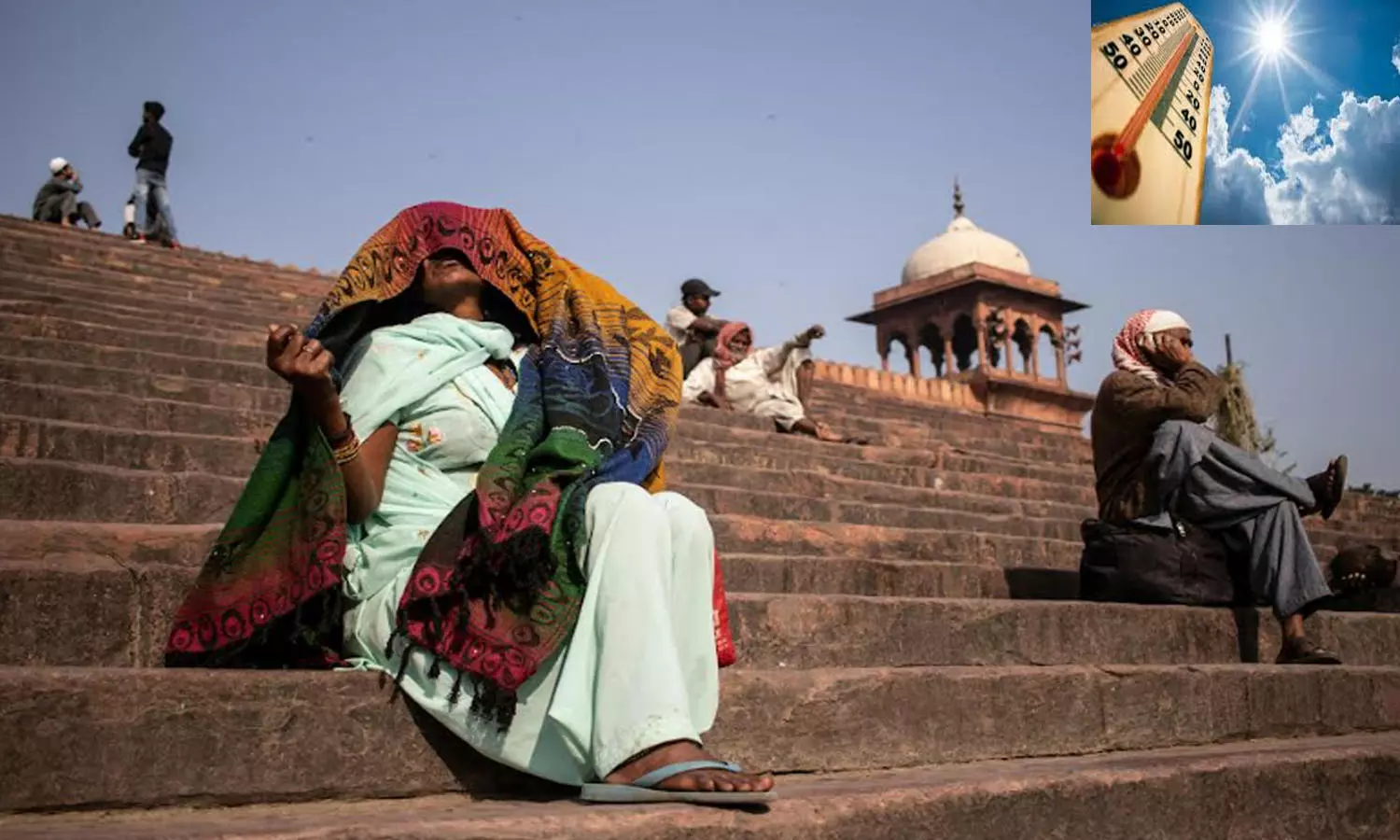
As India bakes under an intense heatwave across the country, with temperatures reaching record-breaking highs in some parts of the country, people must take safety measures and protect themselves from the wrath of such extreme heat.
Here are some tips to survive this harsh summer:
1. Stay hydrated throughout the day:
Summer hydration is all about consistent intake to replace fluids lost through sweat. To prevent dehydration and heat-related issues, drink water regularly throughout the day, eat water-rich foods, and replace lost electrolytes.
The Golden Rules of Hydration: Drink before you're thirsty: Thirst is a late indicator that your body is already dehydrated. Sip water consistently rather than chugging large amounts at once.
Aim for a baseline: Start with at least 8–10 glasses (roughly 2 to 2.5 litres) daily, but increase this if you are active or outdoors.
Check your hydration: A simple way to track is by monitoring urine colour-aim for a pale, straw-like colour rather than dark yellow
2. Avoid direct sunlight during peak hours:
Avoid direct sunlight during peak hours (11:00 AM to 4:00 PM). This is the most effective way to prevent sunburn, heatstroke, and UV damage to your skin and eyes. Schedule your outdoor activities for the early morning or late evening when UV rays are significantly weaker. If you must be outside, use an umbrella, a wide-brimmed hat, or natural shade to block direct sunlight.
3. Wear loose, light-coloured cotton clothes:
Light colours (like white, beige, and pastels) reflect the majority of the sun's rays, absorbing significantly less heat than dark colours, while loose-fitting clothing allows air to circulate between the fabric and your skin, facilitating natural cooling.
By keeping your body temperature regulated it minimizes the risk of dehydration and heat exhaustion.
4. Avoid excessive tea,, coffee and soft drinks:
These beverages act as diuretics, meaning they force your body to lose fluids more rapidly, worsening dehydration and putting extra strain on your body to regulate its temperature. To stay refreshed and cool, try alternatives such as Coconut Water, Buttermilk, or Lemonade.
5. Watch for symptoms like dizziness, headache and fatigue:
Dizziness, headache, and fatigue are primary warning signs of heat exhaustion and severe dehydration. If ignored, these symptoms can rapidly escalate into life-threatening heat stroke.Take immediate action if you or someone else experiences these symptoms. Intervene immediately to prevent the condition from worsening:
Relocate: Move to a shaded, cool, or air-conditioned area right away.
Cool Down: Loosen or remove unnecessary clothing and apply cool, damp cloths to the skin.
Rehydrate: Slowly sip cool water or an electrolyte-rich solution. Avoid drinks with caffeine or excessive sugar.
Seek Help: If symptoms do not improve within 30 minutes, if the person vomits, or if they experience confusion or loss of consciousness, seek emergency medical care immediately.
6. Keep homes cool and well-ventilated:
To keep your house cool naturally, focus on blocking direct sunlight during the day and maximising cross-ventilation at night. Close all windows and thick, light-colored curtains on sun-facing sides by 9 AM, and open them wide in the evening when outdoor temperatures drop.
This article is written by Amatallah Waheed, a student of EFLU, interning with Deccan Chronicle.