Perimenopause: Understanding The Transition To Menopause And Managing Symptoms

Perimenopause is a natural transition period where the body takes a sabbatical from producing estrogens, preparing for menopause
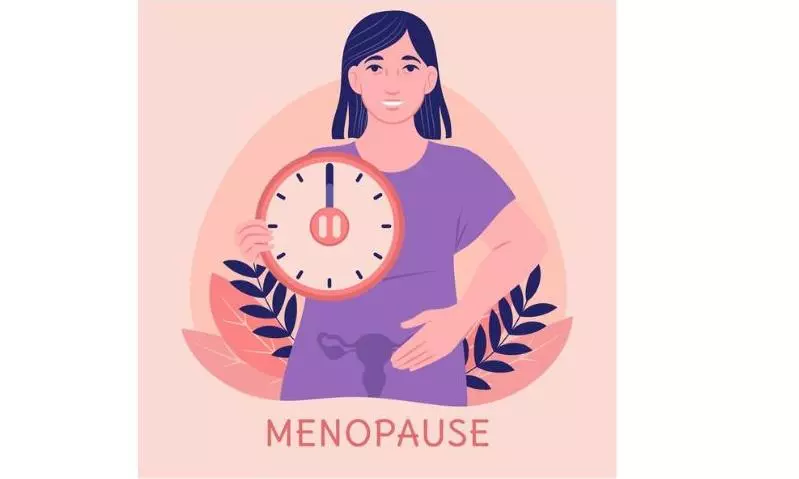
Dr. Archana Dinesh Bidla, Consultant Obstetrics & Gynaecologist and Infertility Specialist at Kamineni Hospitals, talks about how women can manage Perimenopause transition with lifestyle changes, emotional support, and medical guidance. From managing hot flashes and night sweats to understanding fertility options and breaking stereotypes around women’s health, Dr. Bidla offers valuable advice and insights for women in this phase of life.
Excerpts
What is perimenopause, and how does it prepare the body for menopause?
Perimenopause is a natural transition period where the body takes a sabbatical from producing estrogens, preparing for menopause. It’s a phase where the body slowly decreases estrogen production, leading to the eventual cessation of menstrual cycles. This transition can start anywhere between 40 to 45 years of age, but can begin as early as the late 30s or as late as the late 40s. Given that the average menopausal age has increased to around 51 years, perimenopause is a significant phase that prepares the body for this milestone.
How do perimenopause symptoms manifest, and what are the key signs to watch for?
Perimenopause symptoms can be divided into menstrual, physical, and mental/emotional symptoms. Menstrual symptoms include irregularity, changes in flow, and skipping periods. Physical symptoms include hot flashes, night sweats, sleep disorders, anxiety attacks, and sudden weight gain, especially central obesity. Patients may also experience hair loss, skin changes, and vaginal dryness leading to painful intercourse. Emotional symptoms include loss of libido, mood swings, difficulty concentrating, and short-term memory loss. These symptoms can be quite distressing, and patients often feel overwhelmed.
Can women experiencing perimenopause in their 30s or 40s still conceive, and what options are available to support fertility?
Definitely, perimenopause can affect fertility, especially in cases of premature ovarian failure. However, with the help of an infertility specialist, women can still conceive. By administering exogenous estrogens, we can support pregnancy. The field of infertility has advanced significantly, enabling women to become pregnant even at 45. Many patients have successfully conceived with the right treatment and care.
Are there any long-term risks or defects associated with Perimenopause?
Perimenopause is a natural phenomenon, not a disease. It’s a preparation for the body to transition to a new phase. We should mentally accept it as normal and make lifestyle changes to adapt. There’s no need to view it as having long-term defects. It’s like growing old—a natural process. We just need to adjust our habits and behaviour to navigate this phase smoothly.
How can women manage perimenopause symptoms like hot flashes and night sweats through diet, exercise, and emotional support?
Managing hot flashes and night sweats during perimenopause requires acceptance and lifestyle changes. First, talk to your doctor and understand the Dos and Don’ts. Emotional support from your partner is crucial, so spend quality time together and engage in activities like walking or sports. A healthy diet rich in phytoestrogens, such as flax seeds and soybeans, can help. Vitamin D3 supplements and regular exercise, including yoga and resistant exercises, can also alleviate symptoms. Building muscle mass through resistant exercises can help prevent joint weakness and osteoporosis. A complete change in diet and lifestyle is necessary to navigate this phase smoothly.
How can people around women be more sensitive to the hormonal changes they experience during different life stages?
Sensitivity towards women’s hormonal changes starts at home, where parents teach boys to respect females and understand their natural bodily changes. This mindset should be instilled from childhood. When counselling, it’s best to involve both partners, as this generation is more open to discussing these issues. I have seen husbands accompanying wives, asking questions, and showing interest in understanding their partner’s health. This awareness and support are crucial in breaking stereotypes and stigmas surrounding women’s health.
