Rabies: India’s Silent Yet Preventable Killer

29 Sept 2025 5:48 PM IST29 Sept 2025 5:48 PM IST
Rabies continues to claim thousands of lives every year in India, despite being 100% preventable with timely intervention.
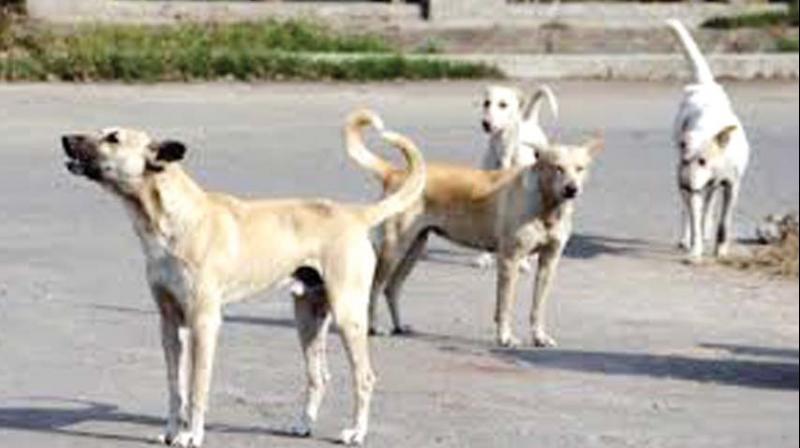
Representational Image
On the occasion of World Rabies Day, we speak to Siddharth Daga, Managing Director, VINS Bioproducts Limited, about why Rabies remains such a serious public health concern, the life-saving role of vaccines and anti-serum, and the urgent need to replace myths with awareness.
Rabies is often called one of the most fatal diseases — yet also one of the most preventable. Why is it still such a big threat in India today?
Rabies remains a major public health issue in India due to the country’s large stray dog population, low awareness about the disease, and inconsistent access to timely post-exposure prophylaxis (PEP). Despite being preventable, India accounts for around 36% of global rabies deaths, with most cases resulting from dog & cat bites. Gaps in public education, under-reporting of cases, and challenges in vaccine and immunoglobulin distribution also fuel rabies' persistence as a threat.
Many people still think a small dog bite or scratch isn’t serious. What is the very first thing someone should do immediately after being bitten or scratched by a stray or pet animal?
The most important first step after a dog bite or scratch is to wash the wound immediately with soap and running water for at least 15 minutes, as this significantly reduces the risk of rabies infection.
Following this, an antiseptic solution should be applied, and prompt medical care—including a visit to a healthcare facility for rabies vaccination and possibly anti-rabies serum—must be sought.
Home remedies like applying turmeric or oils should not be used.
Many people still think a small dog bite or scratch isn’t serious. What is the very first thing someone should do immediately after being bitten or scratched by a stray or pet animal?
The most important first step after a dog bite or scratch is to wash the wound immediately with soap and running water for at least 15 minutes, as this significantly reduces the risk of rabies infection.
Following this, an antiseptic solution should be applied, and prompt medical care—including a visit to a healthcare facility for rabies vaccination and possibly anti-rabies serum—must be sought.
Home remedies like applying turmeric or oils should not be used.
We often hear about rabies vaccines, but what exactly is rabies anti-serum and how does it work in saving lives?
Equine Rabies anti-serum contains antibodies that neutralize the rabies virus. It provides passive, immediate protection before a person's own immune system responds to the rabies vaccine. Anti-serum is given for category II and above exposures and should always be administered at the site of the bite along with the rabies vaccine.
Children account for nearly one-third of rabies deaths in India. Why are kids so vulnerable, and what can parents do to keep them safe?
Children are especially vulnerable to rabies in India, accounting for around one-third of deaths due to their curious nature, likelihood of playing with animals, and difficulty reporting bites. Parents can help keep children safe by teaching them to avoid stray animals, report all bites and scratches immediately, and by ensuring prompt and proper wound care and medical attention if exposure occurs.
Access to timely treatment can make the difference between life and death. How is India addressing the gap in availability of vaccines and anti-serum, especially in rural or remote areas?
India has made progress but faces challenges in ensuring timely rural access to rabies vaccine and anti-serum. National and state health programs focus on stock management, introducing cost-effective vaccination, expanding availability at all health facility levels, and training healthcare workers. However, sporadic shortages and logistical issues, especially in remote regions, highlight the need for continued investment, public-private partnerships, and awareness campaigns.
If you had to bust one or two common myths about rabies that put people at risk, what would they be?
Two dangerous myths are:
(1) Only stray dogs carry rabies—fact: any mammal (including pets) can transmit rabies if unvaccinated.
(2) Home remedies can prevent rabies—fact: only proper wound washing and medical treatment (vaccination and anti-serum) prevent the disease.
Relying on myths instead of prompt, scientifically proven care can be life-threatening.
( Source : Deccan Chronicle )

Next Story