Watch Family History For Cancer Signs, Say Doctors

Highlighting the importance of preventive screening, Dr Ajay Kumar said immunotherapy has emerged as a major advancement and is increasingly being adopted in cancer treatment across hospitals
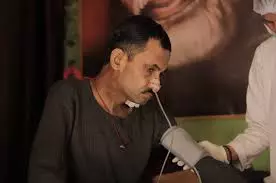
Hyderabad: Doctors have underlined the critical role of family history in the early detection and prevention of various cancers, including those affecting the breast, ovary, colon, and the urinary system, such as the kidney, urinary bladder, prostate, and testes.
According to the doctors, cancer in more than one close relative or cancer occurring at a young age, the same organ cancer seen across family members, or multiple cancers in a single individual should prompt immediate medical evaluation and genetic testing.
Dr Ajay Kumar, associate professor and head of the department of radiation oncology at AIIMS Bibinagar, said that maintaining a detailed family health history is crucial. “In Western countries, family trees with medical histories are routinely maintained. In the US, women above 35 are regularly screened for breast and ovarian cancers. In hereditary cancers, we often see breast, ovarian and colon cancers recurring within families. Genetic work-ups help us identify high-risk individuals,” he explained.
Highlighting the importance of preventive screening, Dr Ajay Kumar said immunotherapy has emerged as a major advancement and is increasingly being adopted in cancer treatment across hospitals.
Dr Rajesh Kumar Reddy Adapala, consultant uro-oncologist, said prostate cancer can run in families due to mutations in the BRCA gene, which acts as a tumour suppressor, while Lynch syndrome is associated with urinary bladder and ureteric cancers, and Von Hippel-Lindau (VHL) syndrome is linked to kidney cancers.
“Key warning signs include cancers in multiple close relatives, early-age cancers, repeated cancers of the same organ, multiple cancers in one person, or combinations of urological cancers with colorectal, breast or ovarian cancers. In such cases, genetic evaluation is strongly advised,” he said.
Sharing clinical experiences, doctors said early diagnosis can significantly simplify treatment.
In one case, a 50-year-old man with no addictions presented with weight loss and poor appetite. His two sisters had breast cancer. Investigations revealed stomach and prostate cancer linked to a BRCA mutation. As the disease was already advanced, he required surgery, radiation and chemotherapy. “Had he been diagnosed earlier, the treatment burden could have been reduced,” a doctor said.
In another case, a teenager with recurrent headaches, sweating and palpitations was found to have an adrenal tumour. Further scans revealed tumours in both kidneys and pancreatic cysts, confirming VHL syndrome, with multiple family members affected.
Dr G. Sadashivudu, professor and head of the department of medical oncology, said advances such as targeted therapy and whole genome testing, including Next Generation Sequencing, are helping doctors identify genetic abnormalities and personalise treatment.
“We are performing six to seven robotic cancer surgeries every month across oncology, urology and gastroenterology departments,” he noted.
Dr Nagendra Parvataneni, senior consultant and head of surgical oncology, warned that cancer is no longer confined to the elderly. “People in their 20s and 30s are increasingly being diagnosed. Unhealthy lifestyles, processed food, lack of exercise, obesity, tobacco and alcohol use, poor sleep and chronic stress are major contributors,” he said.
He urged people not to ignore early warning signs such as unexplained weight loss, lumps, prolonged fatigue, and changes in bowel habits or recurrent mouth ulcers.
