Ultra-Processed Foods Led to Abdominal Obesity, Says Study

Dr T Lakshmi Kanth said several non-communicable diseases among Indians are linked to visceral fat.
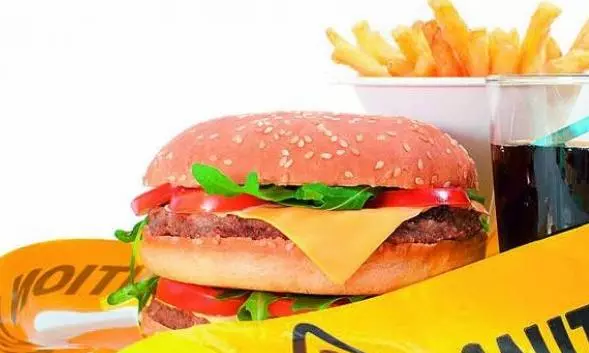
Hyderabad: Doctors and researchers have raised concerns over rising health risks linked to abdominal obesity and increasing consumption of ultra-processed foods among Indians.
A recent editorial in the journal ‘Diabetes & Metabolic Syndrome: Clinical Research and Reviews’ identified abdominal obesity, commonly known as belly fat, as a major metabolic risk among Indian and South Asian populations. Researchers said lifestyle changes, reduced physical activity and growing intake of ultra-processed foods are contributing to the trend.
The editorial noted that excess abdominal fat, measured through waist circumference, plays a key role in the rising burden of Type 2 diabetes, heart disease and metabolic dysfunction-associated fatty liver disease. Unlike general obesity, fat stored around the abdomen is considered more harmful as it affects vital organs and metabolic functions.
Doctors also referred to growing evidence that ultra-processed foods may lead to overeating and addiction-like eating patterns. These foods are highly industrialised products that are usually high in sugar, salt, unhealthy fats, and artificial additives.
Osmania General Hospital superintendent Dr Rakesh Sahay said recent research has increasingly focused on body mass index (BMI) and visceral fat. “Visceral fat around the abdomen is dangerous and is often the first step towards obesity and many diseases. Even in remote villages, we find packets of chips and cans of soft drinks. One can of cola contains nearly 10 spoons of sugar, which can easily increase fat levels in the body,” he said.
He added that children are also becoming obese due to lack of physical activity both at school and at home. “Indians are often described as thin-fat. Many people appear thin but store fat around the abdomen, which increases the risk of metabolic diseases,” he said.
According to national survey data cited in the study, abdominal obesity affects nearly 40 per cent of Indian women and about 12 per cent of men. Researchers also highlighted the Asian Indian phenotype, where individuals may have higher body fat despite having a normal BMI, making them more vulnerable to metabolic diseases at a younger age.
The study recommended that waist circumference be measured regularly in clinical practice and treated as a vital sign, as BMI alone may not fully capture cardiometabolic risk.
Dr T Lakshmi Kanth said several non-communicable diseases among Indians are linked to visceral fat. “Conditions like diabetes and fatty liver are strongly related to central obesity. Many patients depend on costly medicines, but lifestyle changes and regular physical exercise can help reverse several of these conditions,” he said.
Senior consultant physician and diabetologist Dr Shiva Raju said central obesity is widespread among Indians and is associated with fatty liver disease, heart disease, dyslipidaemia and insulin resistance.
Paediatrician Dr Suryaprakash Hedda said non-communicable diseases such as obesity, fatty liver, hypertension and Type 2 diabetes are increasingly being seen in children.
“Ultra-processed foods such as chips, biscuits, sugary drinks, instant noodles, and fast foods contain high levels of sugar, trans fats, and salt, but very little fiber and nutrients. Studies show that children who consume these foods frequently have higher body fat, increased blood pressure, and early liver fat accumulation,” he said.
He added that early exposure to such foods can shape eating habits and lead children to prefer artificial flavours over natural foods.
Doctors said prevention must begin at home and noted that traditional Indian diets including whole grains, millets, pulses, vegetables, fruits, nuts and milk can help improve metabolic health and reduce obesity risk.
