Paediatricians Seek Clearer Food Labels, Stronger Oversight For Kids

Experts Call For Evidence-Backed Claims, Age-Appropriate Food And Medicines
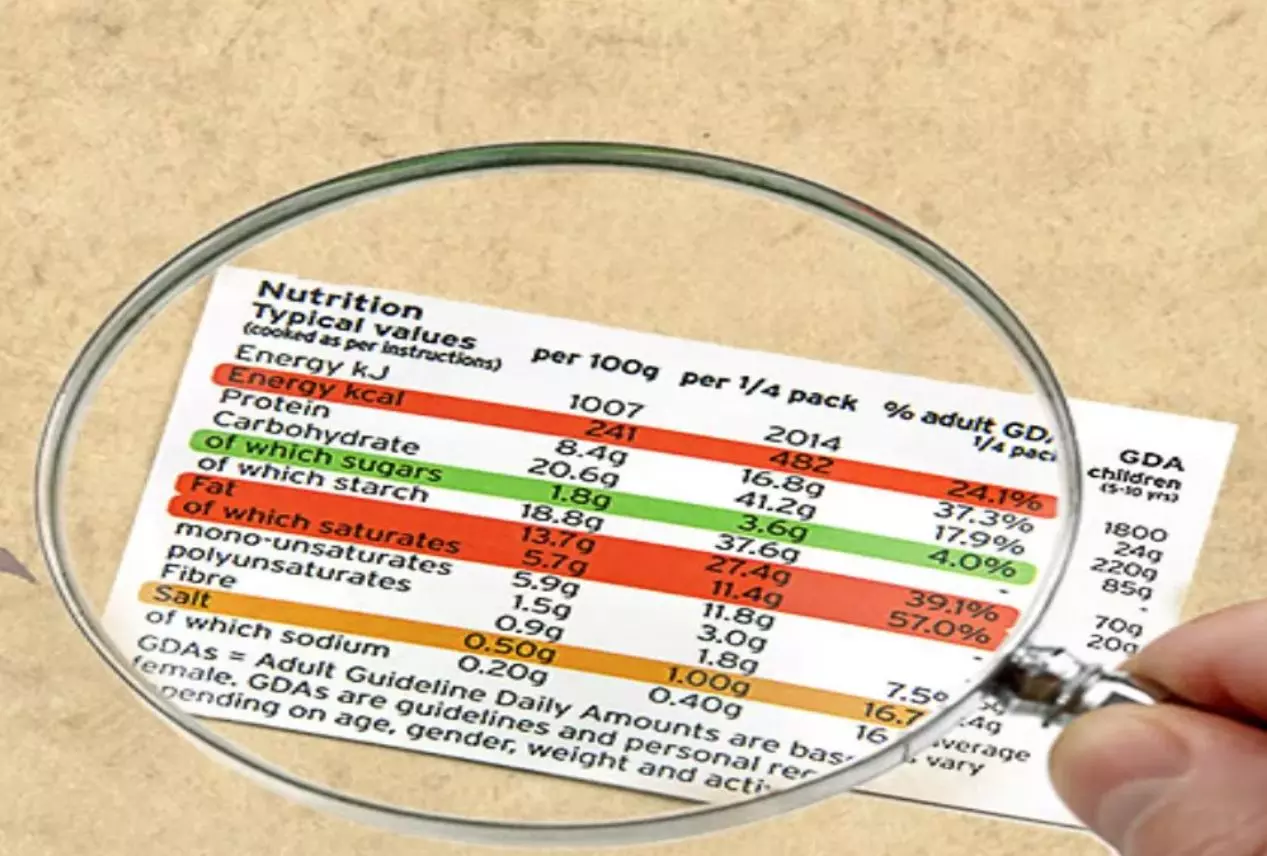
Paediatricians have called for clearer food labels, evidence-backed product claims and stronger regulatory oversight of foods and medicines meant for children, saying parents need reliable information to make informed choices. The call came at the 6th Patient First Summit and Awards organised by the Integrated Health and Wellbeing (IHW) Council, amid growing attention to the formulation and labelling of foods marketed for infants and children.
The discussion assumes significance as the Food Safety and Standards Authority of India (FSSAI) has proposed changes concerning the addition of sucrose and fructose to foods for infants up to six months.
An ICMR-National Institute of Nutrition-led initiative has also called for stronger front-of-pack nutrition labelling and tighter regulation of marketing of unhealthy foods for children.
During a session on "A Patient-First Approach to Food Additives: Safety, Evidence and Health Impact", experts stressed the need for transparent ingredient and allergen disclosures, age-appropriate formulations and stronger scientific evidence for certain additives, particularly in products intended for newborns and preterm infants.
They cautioned that terms, such as "natural" and "herbal", should not automatically be interpreted as evidence that a product is safe or suitable for every child.
"Safe food is a basic right of every child. Parents should not have to rely on marketing claims or struggle to interpret complicated labels to understand what they are giving their children," said Dr Sandeep Mehta, consultant paediatrician and neonatologist.
"Manufacturers must provide clear information on ingredients, allergens and nutritional content, while regulators must ensure that claims are transparent and supported by evidence," he said.
The panel also discussed medicine safety, with the experts highlighting the need for age-appropriate medicines and dosing, clear instructions and accurate dispensing to minimise preventable medication errors.
"Protecting children requires shared responsibility. Parents need reliable information, manufacturers must disclose what goes into their products, clinicians must follow evidence-based practices, pharmacists must dispense medicines accurately and regulators must ensure that standards are enforced," said Dr Vikas More, life member of the Indian Academy of Paediatrics and the Indian Medical Association.
The session was moderated by Dr Uday Pai, consultant paediatrician and neonatologist. Dr Sadanand Shetty, director, Moral Heart Child Care Hospital and ICU, and Dr Kamlesh B Haria, consultant paediatrician, P D Hinduja Hospital, were also part of the panel.
The summit was held under the theme of "Patient Empowerment for Swasth Bharat" and focused on patient safety, quality, affordability, shared decision-making and patient-centred care.