New Mental Health App Aims to Support India’s Youth

Give Me Five is a mental health platform focused on detecting early signs of conditions such as anxiety, depression, and stress, and helping individuals address them before they escalate.
Mental health is a growing concern in the modern world. With a rapidly expanding population and increasing urbanisation, the youth of India form a significant majority. Today, mental health issues are a widespread concern among young people in the country. Gen Z, in particular, has one of the highest suicide rates in India.
To address this, several solutions have been suggested, including seeking help from counsellors or therapists. However, a new approach has emerged—having a personal counsellor available 24/7 in your pocket. This comes in the form of Give Me Five, a mental health platform focused on detecting early signs of conditions such as anxiety, depression, and stress, and helping individuals address them before they escalate.
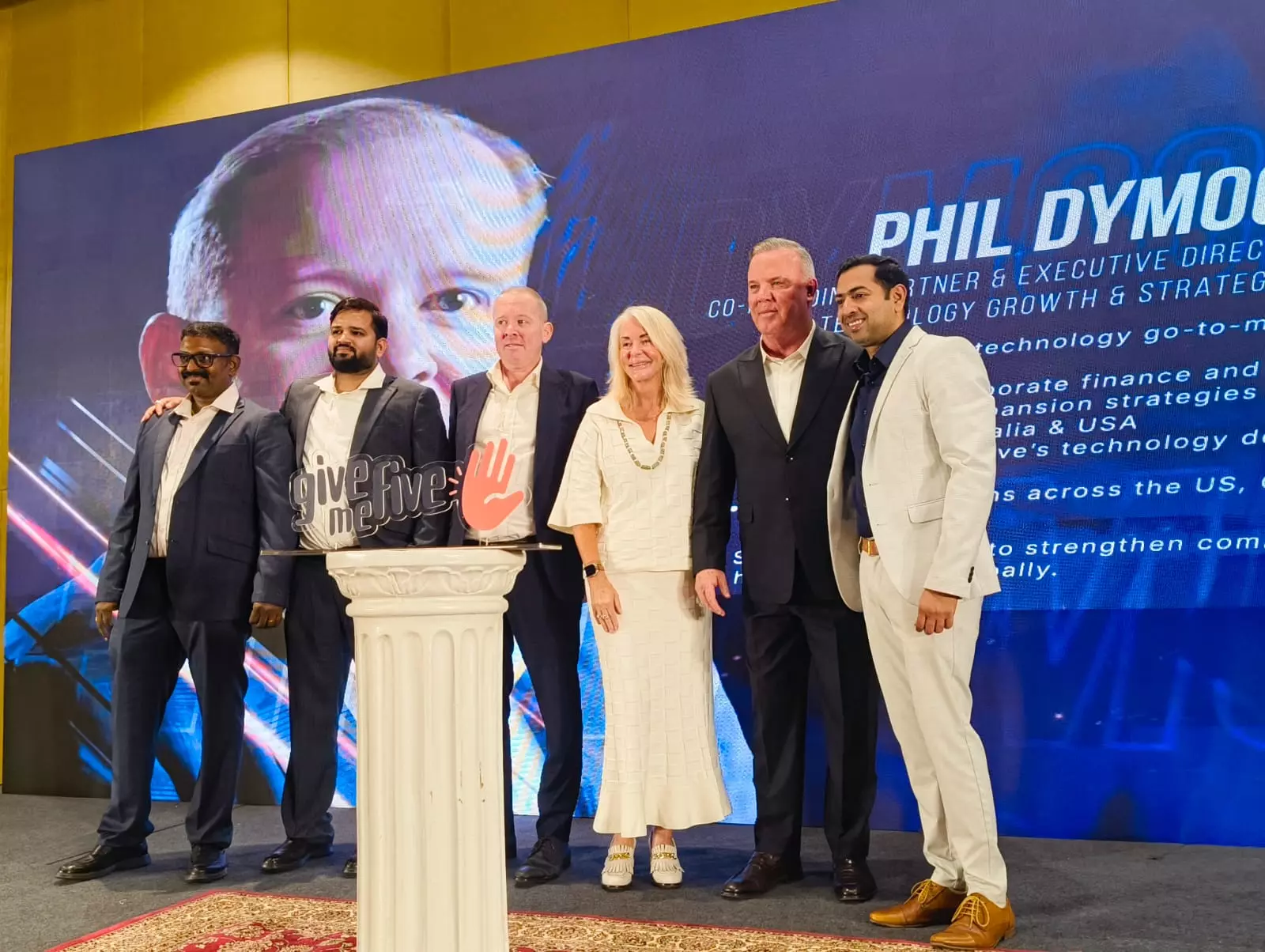
The application was formally launched by its founders, Dr. Lisa Fahey, Brendan Fahey, and Phil Dymock, at The Park Hotel in Somajiguda, Hyderabad. During the event, the founders and the tech team spoke enthusiastically about the app, its societal relevance, and broader mental health concerns.
Following the unveiling of the logo, the app’s tech partner, Vinay Sharma, provided a live demonstration of its features. These included data-driven insights and interactive tools such as personalised questionnaires. After the programme, two reporters from Deccan Chronicle had the opportunity to speak briefly with the founders.
Excerpts from the Interview
Why was India chosen as a primary focus for this initiative?
The founders explained that Gen Z in India needs better mental health education, as social stigma remains a major barrier. They aim to shift the conversation from “mental well-being” to “mind fitness,” making it more relatable—similar to training one’s body.
They also highlighted India’s strong digital connectivity as a key factor, making it an ideal starting point before expanding globally.
Who is the target audience for the app?
The app is designed for all age groups—from school students in India to professionals such as firefighters, soldiers, and workers worldwide. It offers customised question sets based on age, location, and personal context.
How does the app balance accessibility with clinical sensitivity?
The platform uses specialised question banks tailored to different conditions, such as eating disorders. These are continuously developed, scientifically validated, and tested in collaboration with institutions like UC Berkeley, supported by research and white papers.
Does anonymity play a role in encouraging users?
Yes. The founders noted that many individuals hesitate to seek help due to fear of judgment. The app provides a safe, anonymous space where users can ask for help more comfortably. However, they emphasised that the app does not replace therapists—it helps users recognise symptoms and seek professional support when needed.
How does the app address stigma in Indian households?
The founders acknowledged the strong influence of family expectations in India, where fear of disappointing parents can be significant. The app incorporates these cultural nuances, aiming to bridge gaps in mental health awareness and support.
They also noted that insights gained from working with Indian users have been valuable globally, including in countries like Canada.
With the introduction of this application in India, it serves as an important step toward raising awareness and encouraging conversations around mental health.
