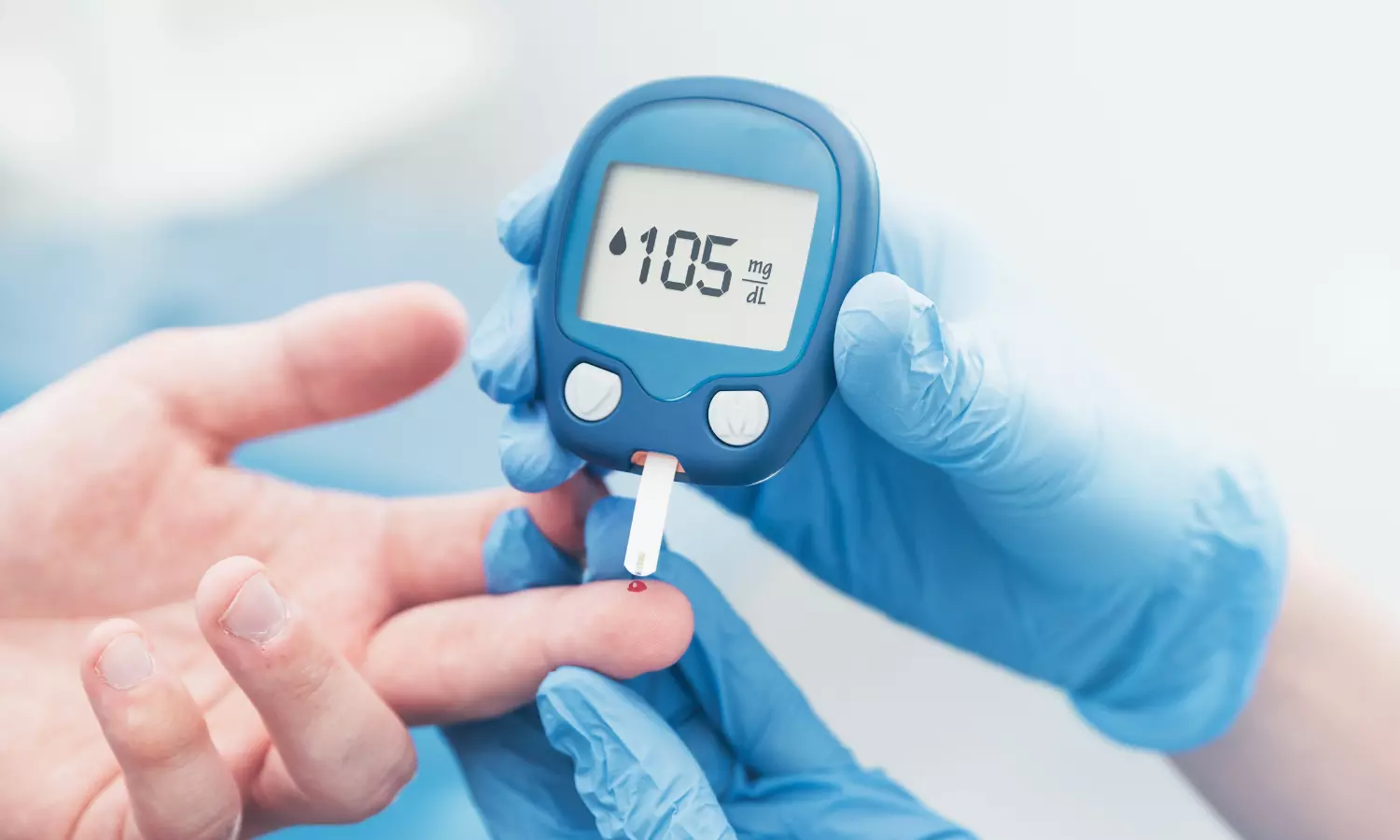
Each summer, Telangana is witnessing extreme heat waves with temperatures soaring to beyond 45°C. The prolonged summer heat and humidity result in significant heat-related illnesses, especially impacting vulnerable sections of the population like the elderly, children, and persons with diabetes. Every year, I find myself having a similar conversation with my diabetic patients. "Doctor, should I stop eating mangoes?" It's a fair question. Mangoes are sweet, deeply tied to summer memories, and culturally cherished across our state. But before I talk to them about mangoes, I constantly shift the conversation to something more urgent and often overlooked— non-diarrheal dehydration, a condition to which persons with diabetes are more prone.
Managing diabetes during summer is not just about controlling carbohydrates or skipping desserts, fruit, and other sweets. It's about understanding how the body responds to heat stress and the recommended hydration solutions especially suited for individuals with diabetes. Many patients are surprised to learn that water alone is not enough in our climate.
When we sweat, whether from heat, fever or even mild exertion, we lose more than just water. We also lose electrolytes like sodium, potassium, magnesium, and small but vital amounts of glucose. These components are essential for maintaining blood pressure, nerve impulses, muscle contractions, and cellular hydration. They falter silently when the body doesn't get them back in the proper proportions.
This condition is called silent dehydration (non-diarrheal dehydration), and it's a serious concern for people with diabetes. Unlike classic dehydration or dehydration related to diarrhoea, where there is a visible loss of water, silent dehydration doesn't always present with intense thirst or lost skin elasticity. It builds up subtly, leading to fatigue, muscle cramps, dizziness, brain fog, and sometimes confusion that can mimic hypoglycemia. For people with diabetes, this makes things more dangerous, as they may misinterpret symptoms and delay the right treatment.
Diabetes affects how the body's hormones regulate thirst and fluid balance. However, in people with diabetes, these hormones do not function properly, making it harder for the body to maintain a healthy fluid balance. Additionally, high blood sugar levels can lead to increased urination, which further contributes to dehydration. Moreover, dehydration affects blood sugar regulation in the body.
Doctors and experts increasingly emphasize the FEE solutions—Fluids, Electrolytes, and Energy as the foundation of adequate hydration. It's not just about drinking more; it's about replacing what's lost. And for that, plain water falls short. As per the Indian Expert Panel consensus recommendations on the role of oral fluid electrolytes energy in non-diarrheal conditions, plain water may not be enough due to a lack of electrolytes and energy and taste fatigue, leading to poor compliance. An optimal amount of sugar/energy is required in the electrolyte drink to facilitate faster water absorption along with sodium and hence help in speedier rehydration.
The American Diabetes Association advises people with diabetes to avoid sugar-sweetened beverages, which can negatively affect blood glucose levels. Instead, it is advisable to consume fluids that hydrate and maintain electrolyte balance. While traditional homemade remedies like lemon water or tender coconut water are popular for hydration, they may vary significantly in electrolyte content, particularly sodium and glucose, and might have an inappropriate glucose-to-sodium ratio. Additionally, errors in preparation can lead to excessive carbohydrates or insufficient electrolytes, hindering adequate rehydration.
It is recommended to opt for scientifically formulated ready-to-drink electrolyte solutions with low sugar, which provide necessary electrolytes and optimal levels of electrolytes like sodium, potassium, etc., especially suited for persons with diabetes. The optimal amount of sugar is required in the electrolyte drink to facilitate faster absorption of water along with sodium and hence help in faster rehydration.
Now, back to mangoes. A small mango contains natural sugars but provides fiber, antioxidants, and vitamins that support digestion and immunity. When eaten in moderation, and ideally with a meal not in isolation, it does not significantly spike blood sugar in most well-controlled people with diabetes. Ironically, I have seen more sugar fluctuations in patients who avoid fruits altogether but neglect proper hydration.
The problem isn't mangoes. It's the lack of balanced hydration. Patients, in fear of "sugar," often avoid anything that contains glucose, including oral rehydration drinks or fruit-based fluids. But what they lose in the process is far more harmful—the electrolytes, optimal energy needed to support recovery, and fluid balance.
Managing diabetes in Telangana's summer heat is about more than dietary restrictions. It's about resilience. That means recognizing the signs of silent dehydration early and responding with holistic hydration solutions. It means moving beyond the binary of "sugar or no sugar" to understanding how optimal energy, electrolytes, and fluids work together in the body. Some sugar in the electrolyte drinks will be required to facilitate faster rehydration.
So yes, enjoy your mangoes mindfully. But more importantly, hydrate intelligently. In this heat, your body isn't just thirsty; it's solving a biochemical equation every day. And the answer isn't just water. It's Fluids, Electrolytes, and the optimal amount of energy—together.