Anaesthesiologists Grow into Recovery Architects

Experts called upon policymakers to recognise, support and integrate anaesthesiologists as leaders in perioperative care through policy reforms, improved infrastructure, advanced training and stronger patient safety systems.
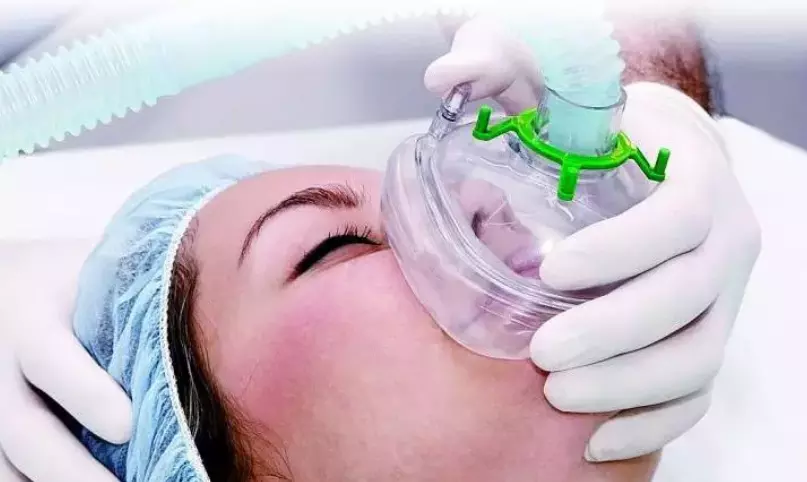
Hyderabad: A transformative shift in anaesthesiology was highlighted at the first national conclave of the Society of Perioperative Physician Anaesthesiologists (SOPPA) here on Sunday. “We now manage the entire surgical continuum before, during and after surgery, bridging the gap between surgery and medicine,” anaesthesiologists said.
They noted that India is transitioning from a high-volume surgical nation to a value-driven perioperative care system. While global leadership is still evolving, India is emerging as a key contributor through clinical expertise, innovation and scale.
Anaesthesiology, once perceived narrowly, is undergoing a profound transformation. “Earlier, anaesthesiologists were seen as sulane wale doctors who put patients to sleep. Today, they are the architects of recovery, managing patients before, during and after surgery,” experts observed.
Dr Manimala Rao, anaesthesiologist, intensivist and academician, who inaugurated the conclave as Chief Guest, said: “Monitors may have made modern practice simpler, but anaesthesiologists themselves are the real monitors. Ours is a unique specialty—we not only make patients sleep but also ensure they wake up safely and recover faster.”
Dr M. Chandrashekar, senior anaesthesiologist, said: “We have come a long way. Today, in any emergency, the first call is often to the anaesthesiologist. Our role is now pivotal.”
Dr Satyanarayana Nuthula, President of SOPPA, stated: “This first national conclave has received an overwhelming response with participation from over 300 delegates, reflecting the growing importance of perioperative medicine.”
A key driver of this transformation is the adoption of Enhanced Recovery After Surgery (ERAS) protocols, which emphasise minimal fasting, early feeding, early mobilisation and opioid-sparing analgesia—leading to shorter hospital stays, fewer complications and improved patient experience.
The field is now gaining recognition as a distinct subspecialty, with rapid growth in areas such as geriatric surgery, onco-surgery, cardiac risk assessment and ambulatory surgery. Experts called upon policymakers to recognise, support and integrate anaesthesiologists as leaders in perioperative care through policy reforms, improved infrastructure, advanced training and stronger patient safety systems.
