An Increasing Number of Women Experience Fractures Post-Menopause: Here’s Why

1 Oct 2025 7:40 AM IST1 Oct 2025 7:40 AM IST
Drop in oestrogen during menopause accelerates bone loss, raising risk of osteoporosis and fractures in women.
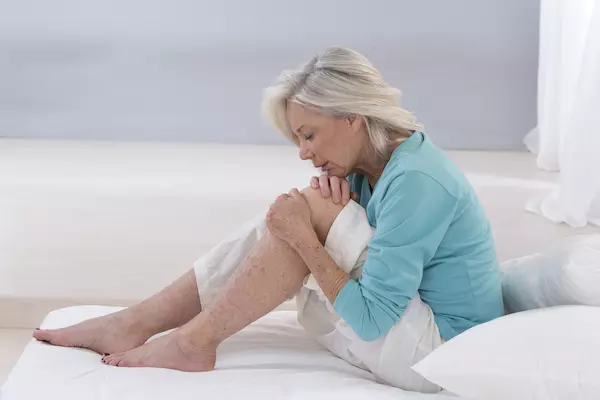
Representational Image
Oestrogen is one of the most essential hormones responsible for regulating bone metabolism and development. Both males and females experience an increase in bone density until age 30, followed by a gradual decline. However in women, a significant drop in oestrogen levels during menopause speeds up this process and reduces bone density at a much faster rate compared to men.
Factors contributing to postmenopausal osteoporosis
Several factors, including an increase in resorption of the bone may result in deficient bone mineralization. Resorption refers to a natural process of bone remodeling that involves an increase in osteoclast activity which promotes the breakdown of bone tissue to replace old or damaged bones. This eventually reduces bone density and leads to osteoporosis, a condition that causes bones to become more porous due to a loss of minerals. Osteoporosis significantly weakens bones, making them more vulnerable to fractures.
Potential symptoms and diagnosis
In a majority of cases, postmenopausal osteoporosis goes undiagnosed as the symptoms are mostly subtle. It is only when the patient experiences a fracture that the condition typically comes to light. Specific body parts such as the arms, spine, hips, wrists and pelvis are often more prone to fractures. Moreover, symptoms such as bruising or sudden back pain while bending may resemble those of osteoporosis and can sometimes occur alongside menopausal symptoms such as severe anxiety, vaginal dryness, palpitations, and mood swings.
The likelihood of a patient developing postmenopausal osteoporosis may depend on a combination of factors including genetics, race, personal health history, family medical history, everyday lifestyle and a past history of bone fractures. Diagnosis typically involves analyzing the patient’s bone density using a DEXA scan, a specialized type of X-ray.
Suggested treatments
Women in their postmenopausal phase are often advised to increase their intake of key minerals, particularly calcium and vitamin D. This can be done through a variety of ways including:
Consumption of dairy and non-dairy foods such as milk, yoghurt, almonds, fish and leafy greens that are rich in Vitamin D and calcium. Enhancing your diet with calcium and vitamin D supplements. Small amounts of sun exposure that enables vitamin D absorption. Regular engagement in weight-bearing activities like walking, jogging and skipping, along with resistance exercises such as weight training and push-ups.
Staying away from smoking and excessive alcohol consumption.
Dr. Kiran Kumar Mannava, Consultant - Orthopaedics, Manipal Hospital, Vijayawada
( Source : Deccan Chronicle )

Next Story