From Pigeons to Spanish Steps: Italy’s Surprising Tourist Bans You Need to Know

Several seaside towns, keen on retaining clean and safe beaches, have banned activities that range from building sandcastles to wearing swimsuits too far away from the shoreline.
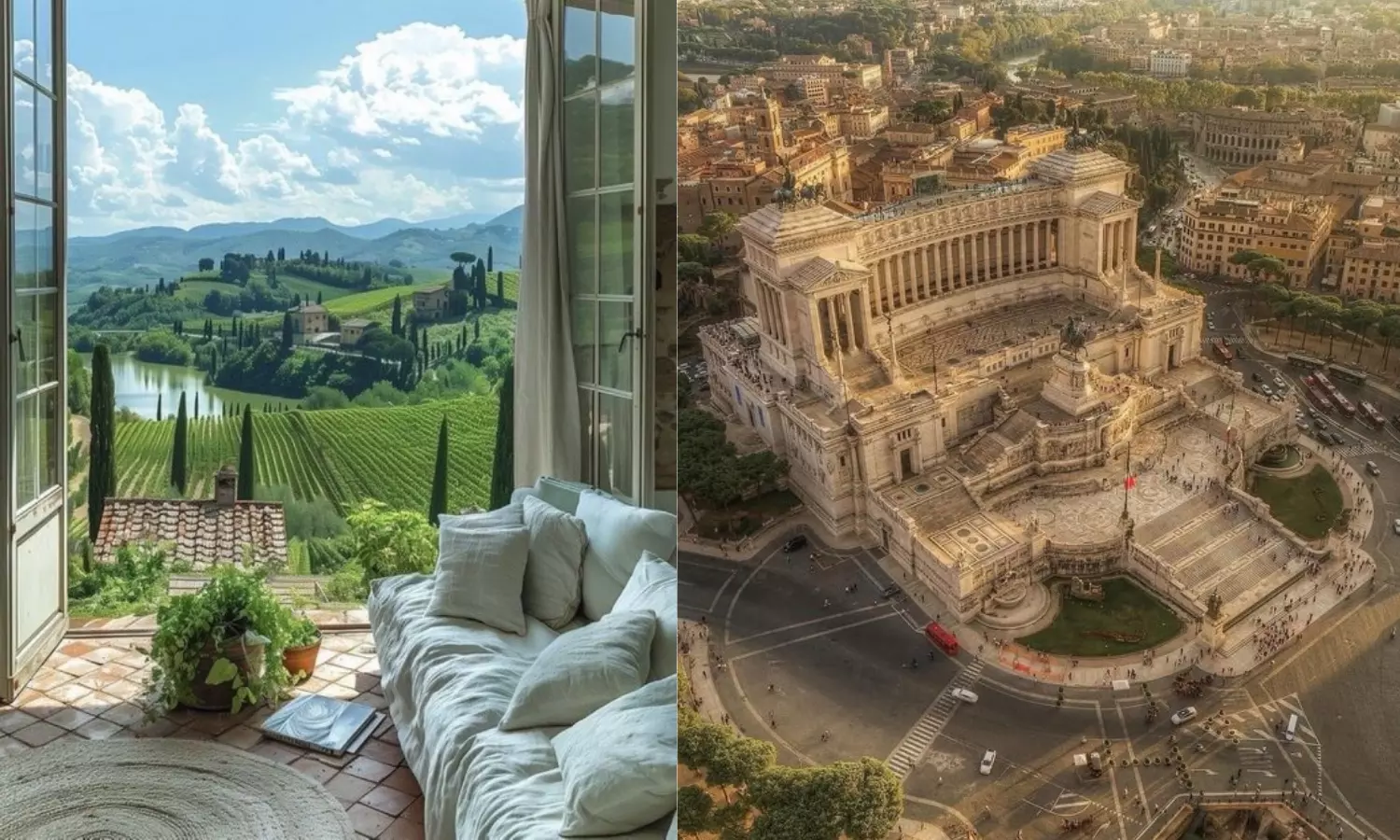
Italy may be one of the world's most romantic and culturally rich destinations, but it also has a unique set of local laws that catch tourists unawares behind all that stunning architecture, historic squares, and beautiful coastlines. With millions visiting annually, many travelers are still not aware that some of their ordinary actions may well attract some fines-all in the name of heritage, protection of public space, and safety.
One of the most unlikely rules finds its place in Venice, it is forbidden to feed pigeons. Yes, giving crumbs to birds is not considered harmless there, and it is banned for a reason. Pigeons make important buildings and monuments worse, and their large number has long been a problem for conservationists. Tourists not following the law risk large fines, making it one of those rules to remember while taking walks around the picture-perfect squares of the city.
Another less well-known regulation greets visitors in Rome, a ban on sitting on the famous Spanish Steps. While thousands make their way down the UNESCO-listed landmark each day, authorities enforce the ban to save the marble structure from wear and tear and to alleviate overcrowding. The steps are one of the city's most iconic photo spots, but it now fines those who treat it like a resting area. It may be an unusual rule for first-time visitors, but it shows a greater commitment to heritage conservation on the part of Rome.
Italy's unexpected bans continue along its coastlines. Several seaside towns, keen on retaining clean and safe beaches, have banned activities that range from building sandcastles to wearing swimsuits too far away from the shoreline. This is not to be a spoil-sport but to avoid accidents, keep order, and protect fragile environments. These vary from town to town, making it essential for travellers to check local guidelines before enjoying the sun and sand.
These may be surprising laws, but they evoke Italy's struggle to balance tourism with preservation. Ancient monuments, historic squares, and natural landscapes within the country often sustain heavy footfall. For travellers, the principle is simple; stay informed and respectful. The knowledge of these lesser-known laws can help avoid unexpected fines, making the Italian journey even smoother and memorable.
The article has been authored by Siftpreet Kaur, an Intern at Deccan Chronicle
