From Gulab Jamun to Ice Cream: India's Traditional Desserts Get a Modern Twist

30 Oct 2026 5:42 PM IST30 Oct 2026 5:42 PM IST
There is significant room for the ice cream industry to look inward for its next wave of innovation.
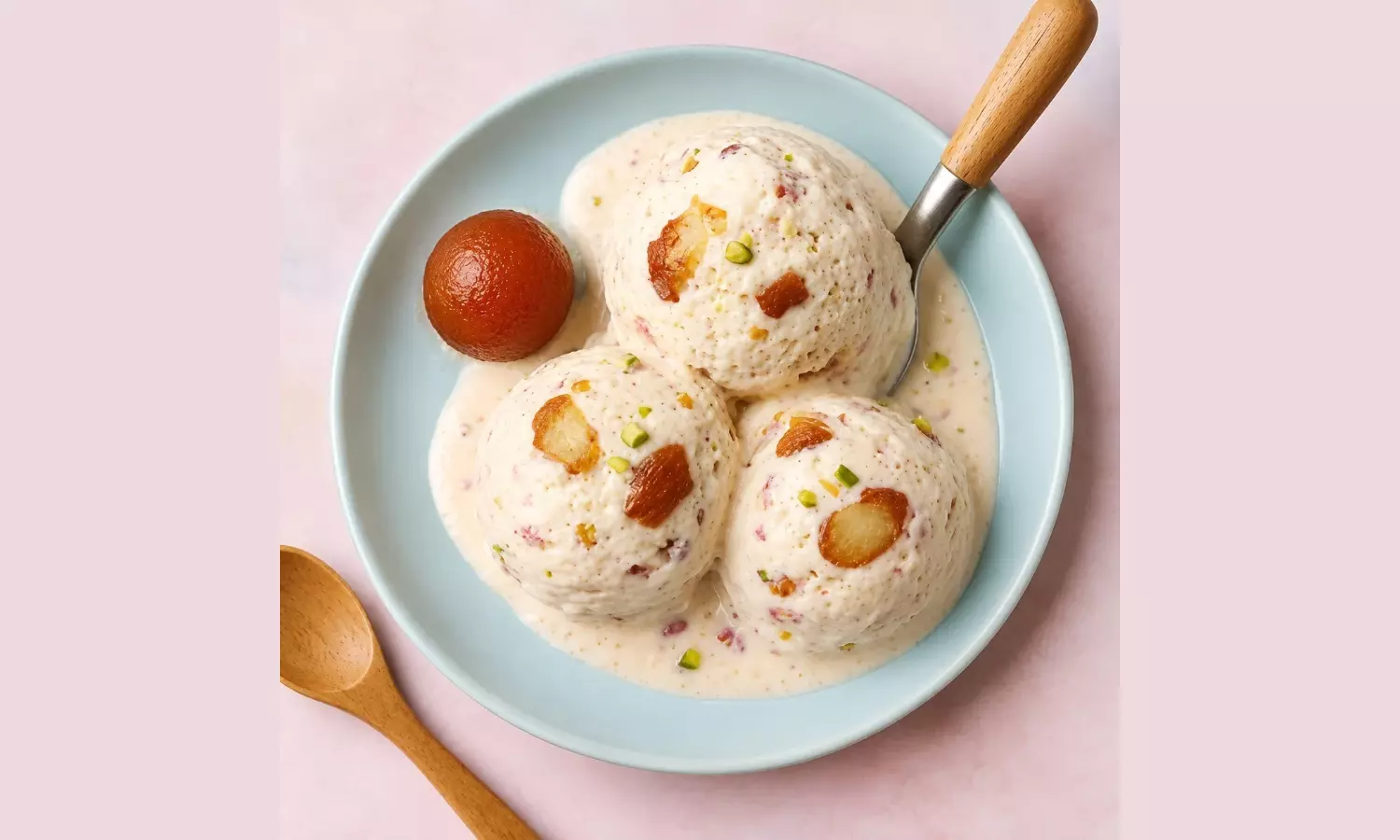
Representational Image
India’s relationship with desserts goes far beyond taste. Gulab jamun after a festive meal, rasmalai at a family celebration, gajar ka halwa during winter, or kulfi on a summer evening—these are flavors tied to occasions, memories, and traditions. While the way we consume desserts continues to evolve, our connection with these familiar tastes remains strong.
This creates an interesting opportunity for the ice cream industry. The category has moved well beyond conventional choices such as chocolate, vanilla, and strawberry. Consumers today, particularly younger audiences, are increasingly open to experimentation, but familiarity still plays an important role in what they choose. Traditional Indian desserts offer the best of both—flavors people already know, presented in a completely different experience.
Gajar ka halwa is a good example. Its distinct combination of carrots, milk, nuts, and warm, rich notes can move beyond its traditional format into an ice cream or a sundae while still retaining the character people associate with the original dessert. The objective is not to replace the classic but to give consumers another way to experience something they already love.
The same possibilities exist across India’s diverse dessert culture. Every region has its own ingredients, recipes, and preparation techniques. From Bengali mishti doi and Karnataka’s Dharwad peda to Kerala’s palada payasam, there is an enormous flavor vocabulary that remains relatively unexplored within the organized ice cream and dessert category.
Dr. Suhas B. Shetty, Founder & CEO, Iceberg Organic Ice Creams
Even iconic sweets such as gulab jamun and rasmalai offer interesting inspiration. The richness and cardamom notes associated with gulab jamun or the saffron, milk, and nuts of rasmalai can inspire new frozen dessert experiences. But translating a traditional dessert into ice cream requires much more than identifying its dominant flavor.
The sweetness, texture, ingredients, and overall balance all have to work together. Most importantly, the original character of the dessert should remain recognizable. If that familiarity disappears, novelty alone may not be enough to make consumers return to it.
This is where authenticity becomes particularly important. Indian consumers are increasingly curious about new experiences, but they are also deeply connected to the flavors they have grown up with. Innovation, therefore, does not necessarily mean moving away from tradition. In many cases, it can mean understanding tradition better and finding a contemporary expression for it.
There is significant room for the ice cream industry to look inward for its next wave of innovation. Global flavours will continue to have their place, but India has generations of desserts, ingredients and regional recipes that are yet to be explored in modern formats.
Sometimes, the most exciting new ideas are not entirely new. They are familiar flavours, thoughtfully reimagined for the way people want to experience desserts today.
The article is authored by Dr. Suhas B. Shetty, Founder & CEO, Iceberg Organic Ice Creams
( Source : Guest Post )


Next Story