From Awareness to Action: World Unites to Beat Plastic Pollution

5 Jun 2025 4:46 PM IST5 Jun 2025 4:46 PM IST
This year’s theme, “Beat Plastic Pollution,” underscores how deeply plastic waste has infiltrated our rivers, oceans, soil, and even our bodies. The issue is global, but the solution must begin locally.
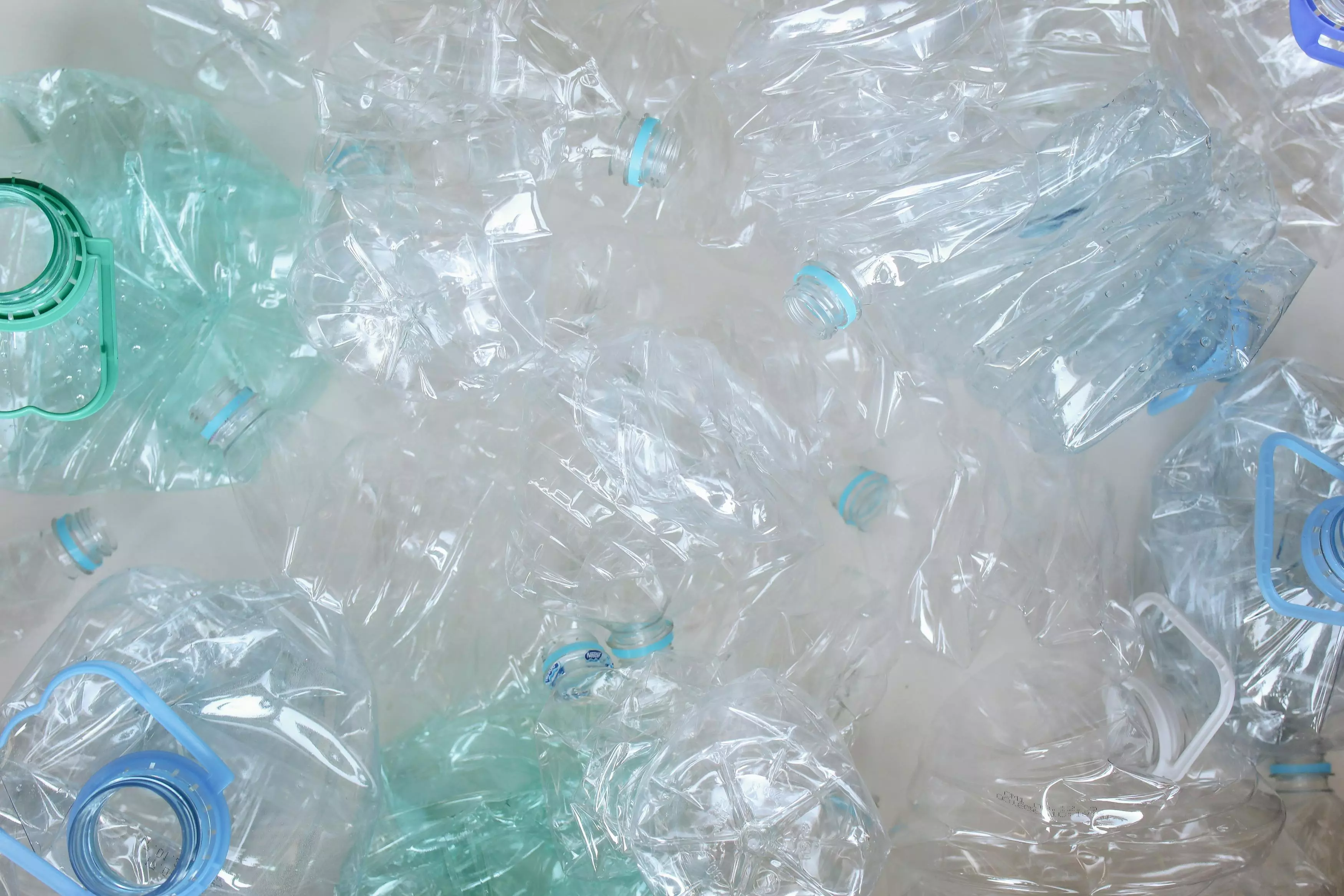
Representational Image/Pexeles
As the world marks World Environment Day 2025, leaders, citizens, and communities are being urged to move beyond mere awareness and take meaningful action—especially against the rising threat of plastic pollution. This year’s theme, “Beat Plastic Pollution,” underscores how deeply plastic waste has infiltrated our rivers, oceans, soil, and even our bodies. The issue is global, but the solution must begin locally.
In a statement on X, Prime Minister Narendra Modi called for renewed commitment: “Let’s deepen our efforts towards protecting our planet and overcoming the challenges we face.” He also praised the silent champions working at the grassroots level to safeguard nature.
President Droupadi Murmu echoed this sentiment, urging people to conserve resources and embrace more eco-friendly habits. “Every action for the environment makes a difference,” she wrote, “and our collective efforts can lead to a greener Earth for future generations.”
South Korea Leads, India Reflects
The host country for World Environment Day 2025 is South Korea, with celebrations taking place on Jeju Island, a region known for its clean energy and sustainable practices. The island aims to become plastic-free by 2040, and several other nations are eager to learn from this ambitious initiative.
In India, however, challenges persist. Despite numerous clean-up campaigns and government initiatives, rivers remain polluted, groundwater levels are falling, and plastic waste continues to clog drains and fill landfills.
According to some reports, India produces nearly 9.5 million tons of plastic waste annually. From urban centers to rural villages, plastic use remains widespread, and waste management efforts often fall short.
Time to Act, Not Just Observe
While World Environment Day is often marked by official events and public statements, many environmentalists feel it risks becoming a symbolic gesture. A powerful Sanskrit verse serves as a reminder of the cost of neglecting nature:
"पर्यावरणनाशेन, नश्यन्ति सर्वजन्तवः।"
(When the environment is destroyed, all living beings are destroyed.)
So, what can we actually do? Experts recommend five simple yet powerful actions that individuals can adopt:
1. Save Water: Fix leaks, use water mindfully, and harvest rainwater.
2. Say No to Plastic: Opt for cloth or jute bags and avoid single-use plastics.
3. Conserve Energy: Turn off unused lights, switch to solar energy, and use public transport.
4. Manage Waste Properly: Separate wet and dry waste, compost food scraps, and recycle correctly.
5. Plant Trees: The “One Family, One Tree” initiative can spark a green revolution if embraced sincerely
In Indore, for example, disciplined waste segregation has helped the city top national cleanliness rankings. It’s proof that collective efforts can lead to visible transformation.
The Bigger Picture
World Environment Day was first observed in 1973, following the Stockholm Conference of 1972. Since then, it has evolved into a global platform for environmental awareness, now celebrated in over 150 countries.
Yet awareness alone is no longer enough. From smog-filled skies to vanishing forests, the Earth is under visible strain.
As the climate crisis intensifies, this year’s campaign is not just a call to “beat plastic”—it’s a call to rethink how we live, what we consume, and how we treat the natural world around us.
So, as we light candles, make pledges, and plant trees this June 5, let’s remember: the environment doesn’t need just one day of attention—it needs our daily care and action.
Whether it’s refusing a plastic straw, turning off a switch, or nurturing a sapling, change begins with us.
The article is authored by Prabhash Kumar, an intern at Deccan Chronicle.
( Source : Deccan Chronicle )

Next Story