Footprints on Marble: Silent Stories Beneath Sacred Light

20 Nov 2025 4:20 PM IST20 Nov 2025 4:20 PM IST
Where the steps fade, stories rise — every footprint shaping soul, space, and spirit.
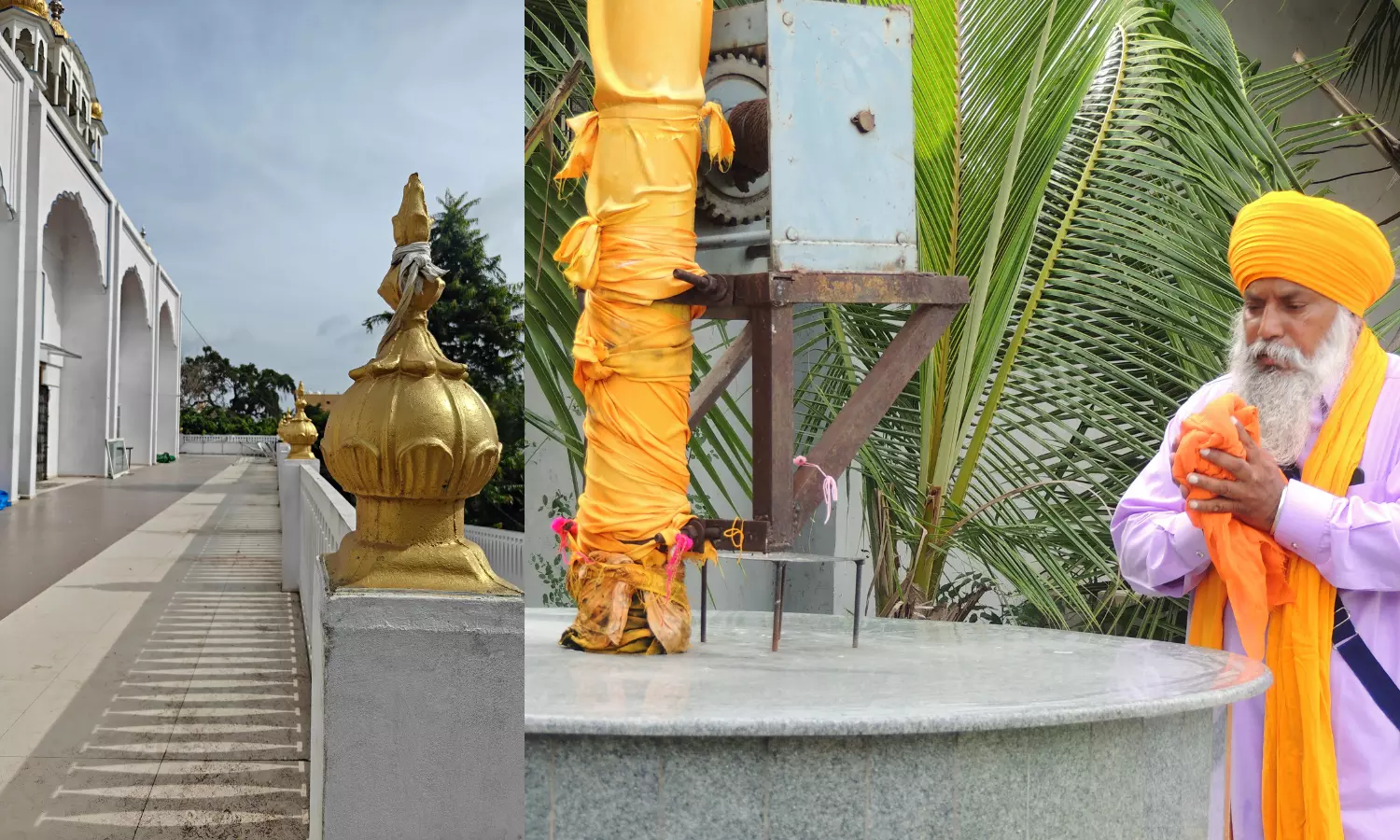
Representational Images
Footprints on Marble: Silent Stories Beneath Sacred Light. The stone feels cold at dawn, warm by afternoon, and timeless by dusk. But what truly shapes it is not sunlight or shadow-it is footsteps. Silent, soft, hurried, hesitant, confident, trembling. Each footprint tells a story, not written in ink but pressed into memory.
In every holy space — a gurudwara, a temple, a mosque, a church — marble becomes witness. It does not speak but stores moments. Walk barefoot across it and you can almost hear echoes: of prayers whispered, tears fallen, hopes carried, burdens released. Footprints may not stay visible for long, but their meaning lingers long after.
At dawn, the first footprints are of the sevadaars. They sweep, clean, light lamps, and arrange offerings. These are the footprints of service, not asking for anything, only giving. Their rhythm sets the tone for the whole day. Marble remembers them as the quiet heartbeat of faith.
Soon after, the elderly arrive. Their footsteps are slow, leaning gently into walking sticks or the arm of a loved one. These prints carry years — joys, losses, wisdom. When they lower themselves onto the floor to pray, the marble seems to soften. It welcomes them like an old friend. Their footprints remind us that devotion doesn’t weaken with age; it deepens.
Then there are the children: running, skipping, sliding. Their footprints are quick bursts of life, carefree, curious, full of laughter. They don't understand prayers yet, but somehow they make the place holier. Marble glows brighter with their joy. Their little feet tell a story of beginnings- free of fear, free of weight.
But the most invisible footprints are often the most powerful: the ones pressed quietly by those carrying pain. The person who walks in after losing someone they love. The one who enters with a decision too heavy to hold. The one who kneels at the edge, away from the crowd, trying not to be seen. These footprints carry storms but also have courage.
And by evening, the marble floor holds a map of a day — footprints of every emotion there is to be experienced in the human journey: Hope walked here. Doubt walked here. Gratitude danced here. Fear paused here, Faith flowed here. And when the night falls and caretakers wash the floor clean, the prints vanish — somehow the stories remain.
For footprints in a place of worship are never just physical marks; they are journeys, confessions, celebrations, and a reminder that while faith is collectively everybody's, devotion is deeply personal.
The marble does not judge whose feet walked across it. It simply receives. And in its cool embrace, every step—big or small, broken or bold—becomes a story worth telling. In the end, footprints disappear. But what they leave behind is eternal.
The article has been authored by Siftpreet kaur, an Intern at Deccan Chronicle.
( Source : Deccan Chronicle )

Next Story