Where Streets Speak Style: Streetwear as Voice of Generation

From rebellion to recognition, streetwear has evolved into a global language of identity, freedom, and self-expression
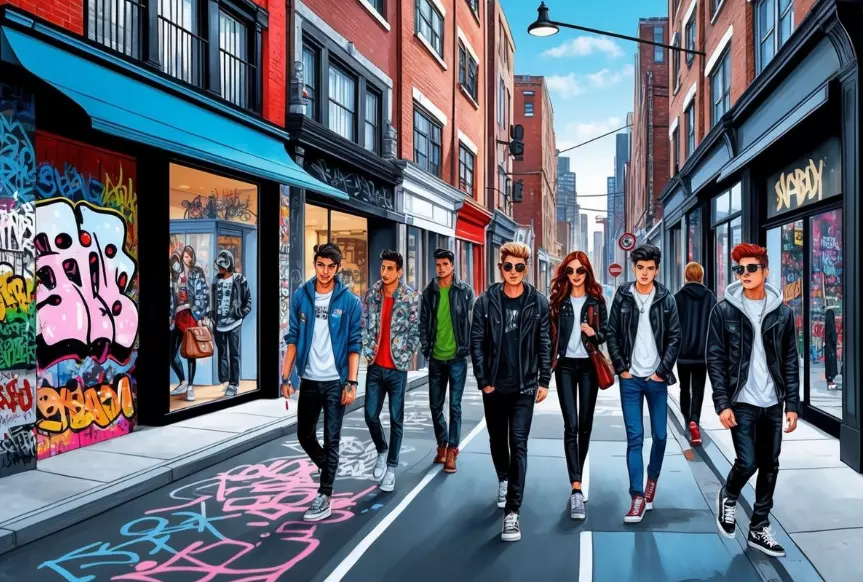
Once seen as rebellious and underground, streetwear has now cemented its place at the forefront of global fashion. What began as an urban expression of attitude and art has evolved into a lifestyle — one that defines how generations see themselves, their culture, and their connection to the world. Streetwear is no longer just about what people wear — it’s about who they are, what they believe in, and how they express it.
The Birth of Streetwear: A Voice from the Streets
Streetwear’s roots lie deep in the streets of New York and Los Angeles during the 1970s and 1980s. It was the hip-hop artists, skateboarders, and graffiti writers who created this movement long before the term became fashionable. Oversized hoodies, sneakers, baseball caps, and graphic tees became visual statements of rebellion and identity.
Unlike elite runway fashion, streetwear was born from accessibility — fashion of the people, by the people. Shawn Stussy, who began printing his now-iconic signature on T-shirts in California, unknowingly started a revolution that would transform casual wear into a billion-dollar industry.
From Subculture to Mainstream Sensation
Streetwear’s authenticity soon caught the attention of luxury fashion. High-end collaborations such as Louis Vuitton x Supreme and Nike x Travis Scott blurred the lines between street and couture. What was once counterculture became a cultural phenomenon.
Social media accelerated this shift — every streetwear enthusiast became an influencer, every outfit a statement. From Tokyo to Mumbai, streetwear became a universal language of youth and individuality.
Human Interest and Emotional Connection
Streetwear resonates deeply because it’s personal. It reflects emotions — confidence, rebellion, belonging, or defiance. For many, it’s about being part of a community that understands your rhythm. For others, it’s pure self-expression — fashion that speaks louder than words.
Inclusivity lies at its heart. Unisex and gender-fluid designs are central to streetwear, emphasizing comfort over conformity. The growing emphasis on sustainability — through ethical manufacturing, upcycled fabrics, and eco-friendly materials — adds another layer of consciousness to the movement.
Streetwear in the Indian Context
India’s streetwear scene is thriving, finding its own cultural rhythm. Brands like NorBlack NorWhite, Jaywalking, and Six5Six Street have brought a distinctly Indian edge to this global phenomenon. Young designers and influencers are merging desi aesthetics with urban energy — think a kurta with cargo pants, or sneakers paired with a sari.
College campuses and youth communities are the new runways, redefining “cool” with authenticity and creativity. Indian streetwear isn’t just about style; it’s a statement of cultural fusion and fearless individuality.
The Future: More Than Fashion
Streetwear has grown into something larger than apparel — it’s a mindset rooted in equality, art, and cultural storytelling. It continues to evolve, adapting to every generation’s voice while holding on to its core: freedom.
Whether in Seoul, London, or Delhi, streetwear beats to the same rhythm — one of self-expression and identity. Because in the end, streetwear isn’t about fashion trends or brand labels.
It’s about wearing your story — unapologetically.
This article is authored by Siftpreet Kaur, an intern from St. Joseph’s Degree and PG College.
