Colour Codes of Punjab: What Your Chunni Reveals About You

From bridal reds to sunshine yellows and the timeless Phulkari, Punjab’s chunni tradition speaks a vibrant cultural language of identity and emotion
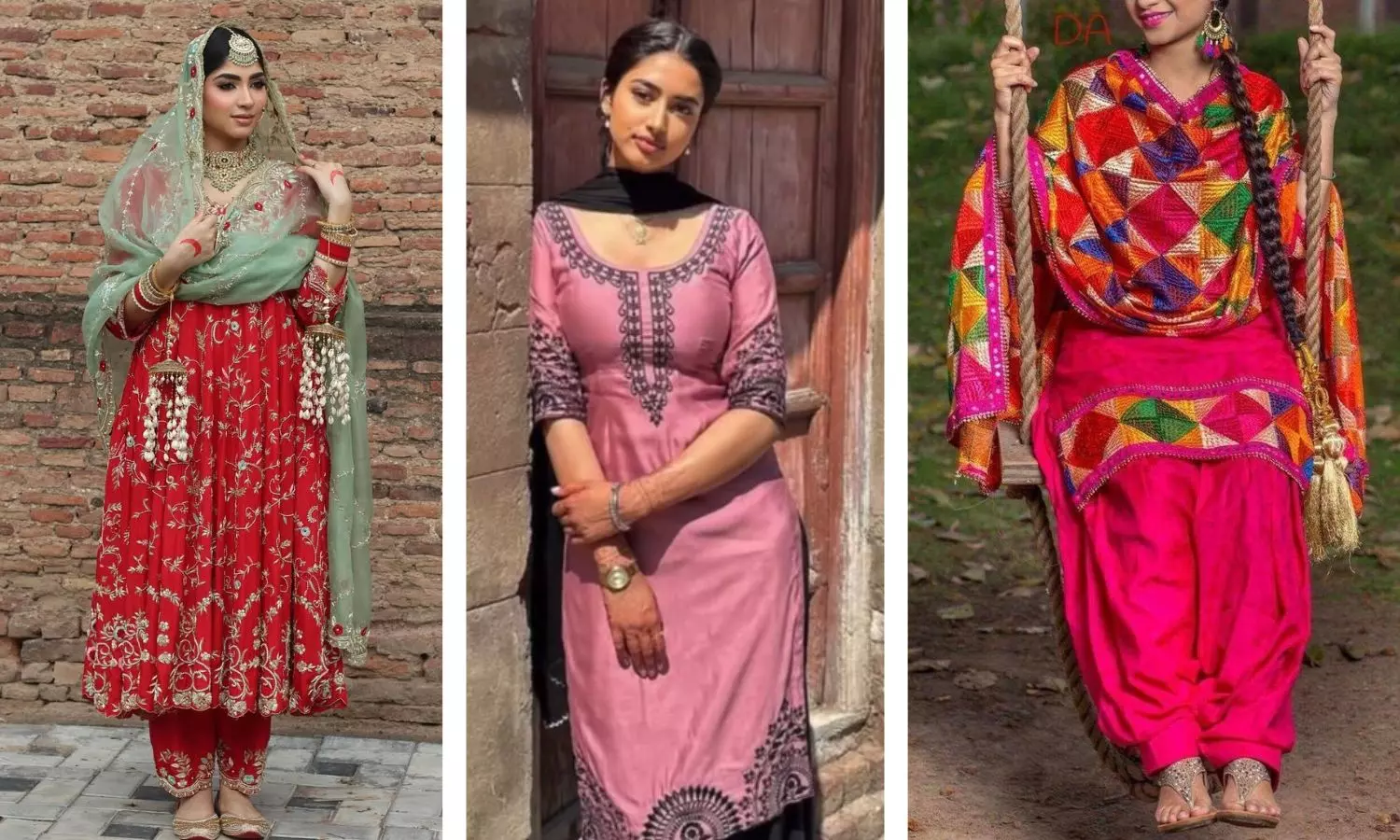
In Punjab, a chunni isn’t just an accessory—it’s a language of its own. Walk into any Punjabi wedding, festival, or even a Sunday langar, and the sight of vibrant dupattas instantly reflects the region’s identity, emotion and cultural pride. Punjab doesn’t just wear colour; it communicates through it.
Red remains the timeless colour of brides, symbolising prosperity, fertility and auspicious beginnings. A woman draped in a red chunni carries an unmistakable aura of celebration. Yellow, meanwhile, mirrors sunshine and the spirit of basant—warmth, optimism and the joy of spring. A girl in yellow embodies effortless charm and that signature “chardi kala” energy.
But among all dupattas, the Phulkari reigns supreme.
For generations, the Phulkari dupatta has stood as the crown jewel of Punjabi bridal attire. Its intricate embroidery is more than craftsmanship—it is heritage. Each stitch tells a story, carrying blessings, family memories and traditions handed down through mothers and grandmothers. Even as modern brides experiment with colours and styles, the Phulkari remains untouched, anchoring them to ancestral roots while they step into new beginnings.
In Punjab, the chunni is an identity marker—maroon for depth, white for purity, green for new beginnings. Each colour carries its own emotional resonance, and Punjabis have long let these shades express what words often don’t. Because in every gathering, when a Punjabi woman walks into the room, her chunni speaks first—with grace, pride and colour.
This article is authored by Siftpreet Kaur, Intern at Deccan Chronicle.
