ESG Not an Add-On, It’s Core to Way We Operate: Virtusa CFO Amit Bajoria

Community impact is about long-term change, not one-time intervention, says Amit Bajoria in an exclusive interview to DC.
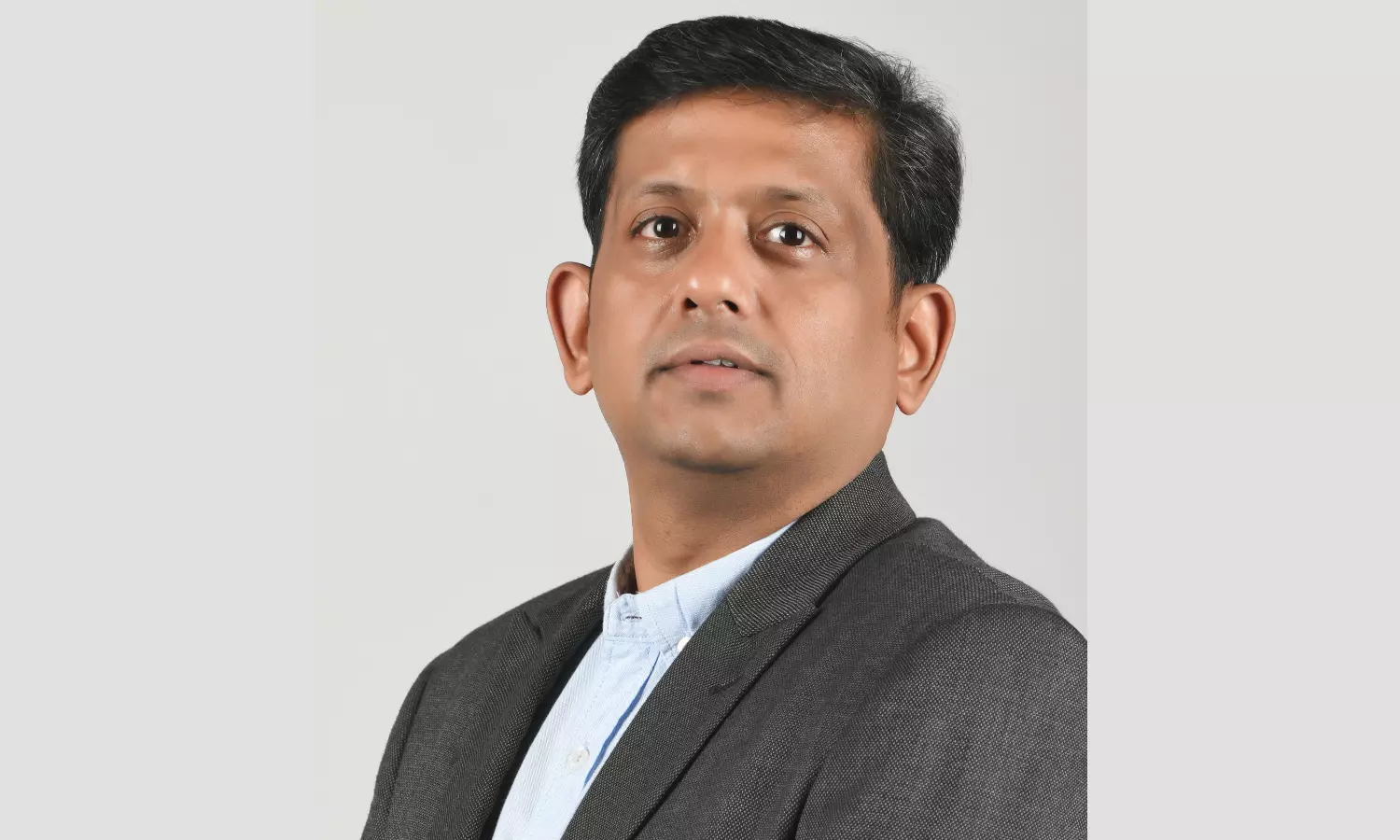
In conversation with Amit Bajoria, Chief Financial Officer of Virtusa Corporation, on the company’s three-decade-long journey in engineering-led transformation, its ESG-driven strategy, and the role of technology in shaping meaningful community impact.
Tell us about Virtusa Corporation
Virtusa is a long-standing organization with nearly 30 years of history. We are a platform and product engineering company, working in digital engineering, digital transformation, and now AI-led transformation. Many of the things you hear as buzzwords today are things we have been doing with large enterprises for a long time.
We work across domains including banking, insurance, healthcare, technology, communication, and telecom, serving global clients across the Americas, the UK, the Middle East, Australia, and Asia-Pacific. With close to 30,000 people globally, we are proud of our strong engineering heritage. Engineering First is not just our tagline — it’s our identity.
How are you embedding impact in your business strategy and what are your spends like?
For us, ESG is not an add-on — it is integral to the way we operate and the way we serve clients. It is embedded into both our business and financial goals. Our approach rests on three pillars— empowerment, education, and environment.
In education, we invest in long-lasting infrastructure — upgrading classrooms, building STEM labs, computer labs, and labs-on-wheels, while also enhancing digital curricula. This helps prepare a workforce for the future while supporting community growth.
In empowerment, we focus on diversity and inclusion — from scholarships for early talent, to initiatives that enable women to commute safely to workplaces even at odd hours.
In environment, our commitment is to achieve net zero by 2040 for Scope 2 and Scope 3 emissions. We are already at 93% renewable energy dependence, with a short-term goal of achieving 100% by 2030. We are also embedding sustainability into our technology solutions, whether it’s greener data centers or energy-efficient software for clients.
Miyawaki Plantation Drive: Volunteers and students from Virtusa Foundation, Gitam University, and Guru Nanak University participated in the Miyawaki Plantation Drive, where over 11,500 native saplings were planted across 3.1 acres to enhance biodiversity, improve soil stability, and combat climate change.
Could you share some examples of how technology is being used to drive positive change?
One example is our work with schools. Many lacked access to digital platforms or even basic infrastructure. We provided physical infrastructure, labs, laptops, servers, and licensed toolsets to create digital classrooms. But it wasn’t a one-time donation — we monitor and work with schools over time to ensure they continue to benefit.
The change is visible in the way students now engage with technology — what once felt like a privilege is now accessible. It excites them, inspires them, and creates transformation at an early age. Our intent is to create lasting impact, not just short-term fixes.
How do you measure the success of your community development projects?
As a finance professional, I naturally look for measurement. Internally, we track clear KPIs such as reduction in carbon emissions, renewable energy use, and water recycling.
For community projects, however, success cannot only be measured by numbers. Instead, we look at long-term outcomes: improvements in student results, increased access to higher education, or enhanced learning capabilities. These outcomes, though harder to quantify, give us the satisfaction that we are investing in the right areas.
Amrabad Tiger Reserve: Virtusa Foundation installed 10 solar-powered automated borewells across Mannanur, Amrabad, and Maddimadugu forest ranges in Amrabad Tiger Reserve in Telangana. These borewells ensured a consistent, sustainable water supply for wildlife such as tigers, wild boars, nilgai, and blackbuck, especially during dry seasons. (Photo by arrangement)
When you talk about community development projects, it cannot be done in isolation. What’s the role of partnerships in your community impact initiatives?
Partnerships are crucial. We always say 1 plus 1 is not 2, it is 11. Our partners help us identify the right projects, often in areas where other corporates may not reach.
For example, while many companies focus on schools near urban hubs like Bengaluru or Chennai, we work with partners to adopt schools in remote tribal villages 500 kms away from Chennai. These partnerships ensure deeper, more meaningful impact. Partners also monitor progress on the ground, bringing their close community connect to strengthen our initiatives.
How do you see your community impact initiatives evolving in the coming years?
We are scaling our projects. Recently, we built an entire model school from scratch, and we plan to do more such projects. Our focus will continue to remain on the three pillars — education, empowerment, and environment.
Beyond schools, we are also investing in sustainability projects like solar-enabled wells and wildlife conservation initiatives. These not only solve immediate challenges but also ensure long-term benefits for communities and the environment.
We believe community impact must be sustainable and lasting, and that’s the direction we will continue to take.
