Copper: Fuelling the future of renewables and electric mobility

Copper: The key to India’s clean energy future
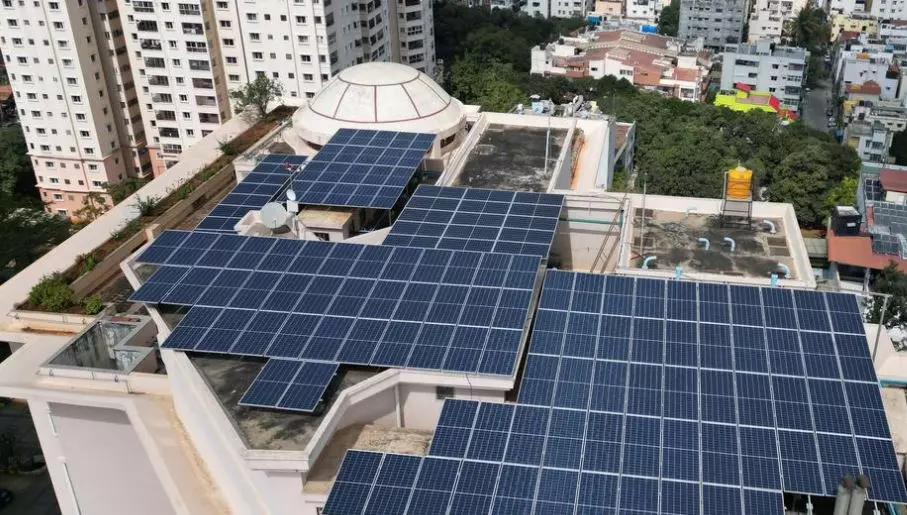
As India strides towards a sustainable future, copper plays a key role in revolutionising the country’s emerging renewable sector. Powering everything from EVs to solar panels, the red metal’s excellent conductivity, durability, and recyclability make it the “metal of the future” and a critical enabler of India’s goal to achieve Net Zero by 2070.
With the shift towards a low-carbon future and increased focus on sustainable development to combat climate change, traditional copper-intensive industries are being replaced by new ones that demand even more copper. Furthermore, the modernisation and expansion of power grids to integrate a larger share of clean energy have led to an increase in copper demand.
Given the surge in copper consumption in the renewable energy sector and infrastructure development, demand for the metal is expected to rise by around 7% in the coming years. However, with only a limited increase in domestic output, meeting this rising need may require greater imports.
As per Mr Setul Shah, Founder and Director at MECpower Solutions Limited, “Regardless of the size of the renewable energy, technologies require nearly two to six times the copper per megawatt of new capacity compared to fossil fuel or nuclear energy. Hence, the global drive towards net-zero carbon emissions hinges on widespread electrification—replacing fossil fuels with renewable energy systems and electrified infrastructure which demands vast amounts of copper.”
India produces around 555,000 tonnes of refined copper annually, while domestic consumption exceeds 750,000 tonnes. To bridge this gap, the country imports approximately 500,000 tonnes of copper each year.
A key reason for this shortfall is the closure of Vedanta's Sterlite Copper plant in 2018, which significantly reduced local output and turned India into a net importer of refined copper. With copper demand expected to double by 2030, the demand-supply gap will widen further, increasing India’s reliance on foreign sources. To address this challenge, major industrial players are investing in expanding domestic production.
Ms Aruna Sharma, former Steel Secretary stated, “The critical role of copper in India’s decarbonisation strategy is well recognised by India Inc. Companies are investing in this mineral not only to address the demand-supply gap but also to align with government policies.”
Recognising copper’s crucial role in achieving the Net Zero goal, India is forging new international alliances to secure its supply. The government has engaged with Latin American countries to explore copper supply agreements.
As the country accelerates its green initiatives, strategic investments in domestic production and international collaborations will be pivotal to meeting the growing demand. This is the only way to ensure India’s journey toward a cleaner, more sustainable future is well fuelled.
