From Rajputana to Rajasthan: The Making of a State

The transformation from Rajputana to Rajasthan was not a single event but a seven step phased process between 1948 and 1949
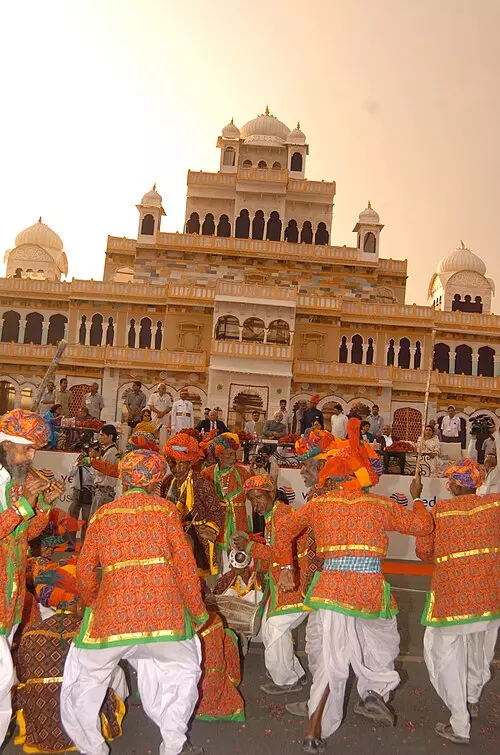
March 30 is celebrated as the formation of the state of Rajasthan. Greater Rajasthan came into being on March 30th, when four states - Jodhpur, Jaipur, Bikaner, and Jaisalmer - had joined with the United State of Rajasthan in 1949.
The state was known as Rajputana prior to that, meaning “country of rajputs,” while Rajasthan itself means the place of kings(rajas). In Rajputana, the patchwork of princely states ruled by Rajput kings had their own court, customs and loyalties.
The transformation from Rajputana to Rajasthan was not a single event but a seven step phased process between 1948 and 1949. Smaller states began merging first, followed by larger kingdoms. It was during the fourth stage that the process culminated on March 30, 1949, to form what we now recognise as Rajasthan, and the day began to be observed as Rajasthan Day from then on.
Today the state stands tall in its distinctiveness from the rest of India. From the Indus Valley Civilization ruins to temples, forts, and fortresses in almost every city, it is a region equally rich in their heritage and artistic contribution. It is divided into nine regions, namely: Ajmer State, Hadoti, Dhundhar, Gorwar, Shekhawati, Mewar, Marwar, Vagad, and Mewat.
Keoladeo National Park is a world heritage site near Bharatpur that is known for its bird life. The state also has two national tiger reserves, namely Ranthambore National Park at Sawai Madhopur and Sariska Tiger Reserve in Alwar.
