It Is Not Just Fiction, It’s A Wake-Up Call: Himanshu Rai

In this candid conversation, Rai opens up about his latest psychological thriller 'The Game of Death'—a gripping tale about mobile gaming addiction—and why it may be his most disturbing and relevant work yet.
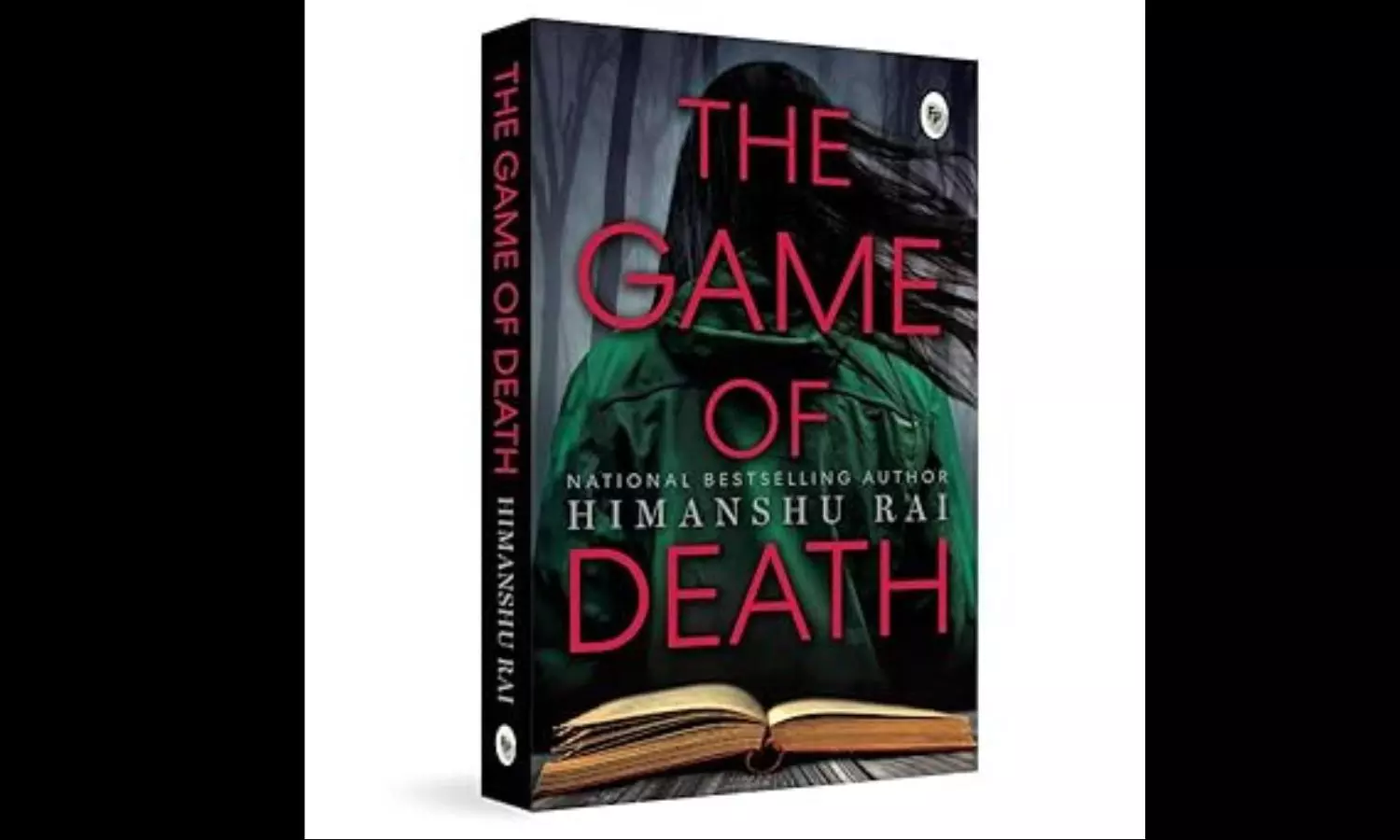
With six national bestsellers to his name and a writing style that blends emotional honesty with cinematic detail, author Himanshu Rai has carved a niche in contemporary Indian fiction. From tender romance (My Mute Girlfriend) to mythological fantasy (Rhythm Roger), his stories traverse genres while staying rooted in human emotion. In this candid conversation, Rai opens up about his latest psychological thriller 'The Game of Death'—a gripping tale about mobile gaming addiction—and why it may be his most disturbing and relevant work yet.
Excerpts
Your novel My Mute Girlfriend is based on a real-life story. What was the emotional journey like in turning such a personal experience into fiction?
A: Writing My Mute Girlfriend was like revisiting a memory lane filled with unsaid words and unhealed pauses. It wasn’t just about narrating a story—it was about giving closure to a chapter I never got to finish in real life. While fiction gave me the creative freedom to express it, the emotional weight remained raw and honest. I cried while writing it, smiled at memories, and in a way, healed through the process.
Many readers describe your writing as ‘visual storytelling’. How do you bring that cinematic depth to your narratives?
A: I always visualize my scenes like movie frames before I write them. The background, lighting, even the silence—I hear and feel everything. I think storytelling should not just be read, it should be experienced. That’s why I focus on the atmosphere, not just the action. My aim is always to make the reader forget they’re reading—to make them live it instead.
Your hometown Sagar features prominently in your stories. How do your roots and upbringing influence your writing?
A: Sagar isn’t just a place, it’s my emotional blueprint. The lanes, the people, the small everyday dramas—they’ve shaped my worldview. My characters often carry the simplicity, the warmth, and sometimes the hidden pain of small-town India. And I think that relatability—those imperfect, real moments—is what makes the stories resonate.
From romance and mythology to fantasy, you've written across genres. What inspired you to create a whole new category with Rhythm Roger – The Secrets of Electon, the world’s first telecom fantasy?
A: Rhythm Roger was born from curiosity. I wanted to blend science with imagination in a way that hadn’t been done before. We all live in the digital world—but what if there was a world inside your network? That question excited me. Creating a whole fantasy universe around telecom signals, with characters who live in frequencies—it was both challenging and magical.
Rhythm Roger has been compared to the Harry Potter series by readers. What do you think resonates so deeply with audiences about this book?
A: I think Rhythm Roger taps into that universal desire for adventure, identity, and meaning. Much like Harry Potter, it’s not just about magic or technology—it’s about fighting inner battles, discovering one’s purpose, and standing up for what’s right. When fantasy becomes a mirror to reality, it truly connects.
Tell us something about your recent The Game of Death, which is a psychological thriller based on mobile game addiction.
A: The Game of Death is perhaps my darkest book yet. It explores the silent killer we don’t talk enough about—digital addiction. It’s a psychological thriller where a mobile game starts controlling not just attention spans but life decisions. It’s fast-paced, intense, and disturbing at times—but very necessary. Because it's not just fiction; it's a reflection of what’s happening around us.
You have six National Bestsellers and your books have consistently topped Amazon’s bestseller charts. What do you think makes your stories connect so well with modern readers?
A: I write with emotional honesty. Whether it’s love, loss, fear, or fantasy—I try to keep the human element intact. I think today’s readers are smart and emotionally aware. They want stories that speak to them, not preach to them. And maybe that’s why they find a part of themselves in my characters.
Your characters often deal with intense emotions and real-life themes. How much of your personal experiences shape the emotions in your stories?
A: A lot more than I let on. Every tear, every hesitation, every joy you read in my books—it’s probably something I’ve felt deeply. I believe emotions don’t come from research, they come from remembrance. And that’s what gives my stories their emotional texture.
You've been invited to speak at prestigious TEDx events. What do you enjoy most about interacting with young readers and aspiring writers?
A: Their questions! They challenge me, inspire me, and remind me why I started writing. I love how curious and fearless the youth is today. They’re not afraid to feel or ask uncomfortable questions—and as a writer, that energy keeps me alive.
With such a diverse writing portfolio already, what can readers expect next from you? Is there a genre or story you've yet to explore?
A: I’m exploring historical thrillers next—with untold stories buried in India’s past. It’s something I’ve wanted to do for a long time. There’s so much history that never made it to textbooks, and I believe fiction can be the perfect lens to bring it alive.
Why must readers read The Game of Death?
A: Because it’s not just a book—it’s a wake-up call. If you or someone you know has ever felt lost in the virtual world, this story will hit home. It’s gripping, disturbing, and brutally real. It doesn’t just entertain—it makes you think.
