Book Review | What Heals The Hurt Of Exile? Travel Or Stories?

Taseer has been an intrepid traveller, right from his debut novel, a quest which ended with a meeting with his unfamiliar father in an enemy country
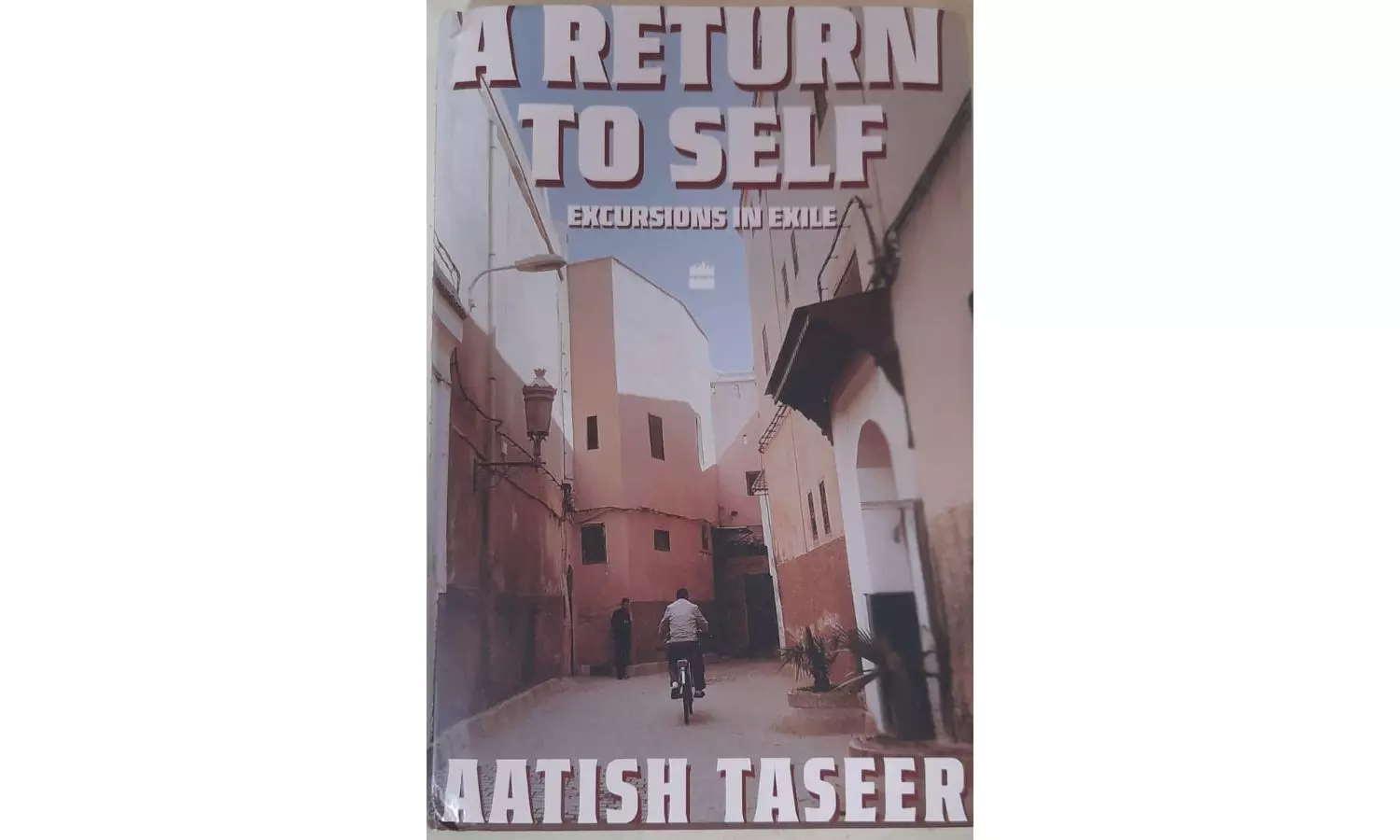
We, who have a country to call our own, will never perhaps even begin to understand the anguish of being banished from one. It is so much a given that the loss almost seems esoteric. As Aatish Taseer stitches together his evocative travel pieces from countries steeped in speckled history, his own personal pain of losing citizenship in India is the haunting rhetoric that lends credence to his search for and to the final acceptance of himself as a person, a writer, a traveller and to a certain extent his sexuality, which took him a while to confront. Taseer, sensibly, does not attempt to compartmentalise emotions, allowing a free flow of drifting thoughts. In Bolivia, “I felt myself overcome with emotion — whether from the rawness of Zinc’s death, the altitude, or the ghost of my unmourned father”.
Taseer has been an intrepid traveller, right from his debut novel, a quest which ended with a meeting with his unfamiliar father in an enemy country. The younger self leaves shadows in its wake and the comparisons with his present entity often create their own dichotomies. He muses, “Our time is the enemy of the past, and increasingly I find the wonder of travel lies less in the discovery of new places than in tracing the outline of those that have ceased to exist.” This introspection is an underlying narrative of an essay collection that emerges from a deep analysis of oneself by marrying it to unavoidable extraneous circumstances.
The book is rich in history, information and experiences. It is anecdotal, intimate and peppered with personal viewpoints. We look at the ethos of Seville in Spain through the author’s eyes, learn of its violent history, its cultural intermix and contradictory outcomes, and reserve our feelings about the fallout. Yet we are eager to follow Taseer’s journey across Istanbul, Uzbekistan, Morocco, Spain, Mexico, Sri Lanka, Bolivia, Mongolia and Iraq. He keeps us close with his stories.
“In exile, food becomes important,” the ex-Shah Banu of Iran had confided in Taseer in Morocco, being turned out of her country after the Islamic Revolution. In this book, both exile and food hunt each other out every now and then. Travelling with Taseer is exhilarating. We meet people who open doors for us, we encounter spirituality that is at once extant and ancient, we chance upon the evolution of a polity and the scars it leaves behind on generations. But most of all we run into ourselves. At every nook and corner of a lyrical book. Reading Taseer is like the comfort of the soft smell that emanates from a freshly watered flower bed. Reading Taseer is being home.
A Return to Self: Excursions in Exile
Aatish Taseer
Fourth Estate
pp. 226; Rs 499
