Book Review | The Importance Of Being Jimmy

No wonder Amarnath, once completely frustrated at being dropped for the umpteenth time, called the selectors a “bunch of jokers”
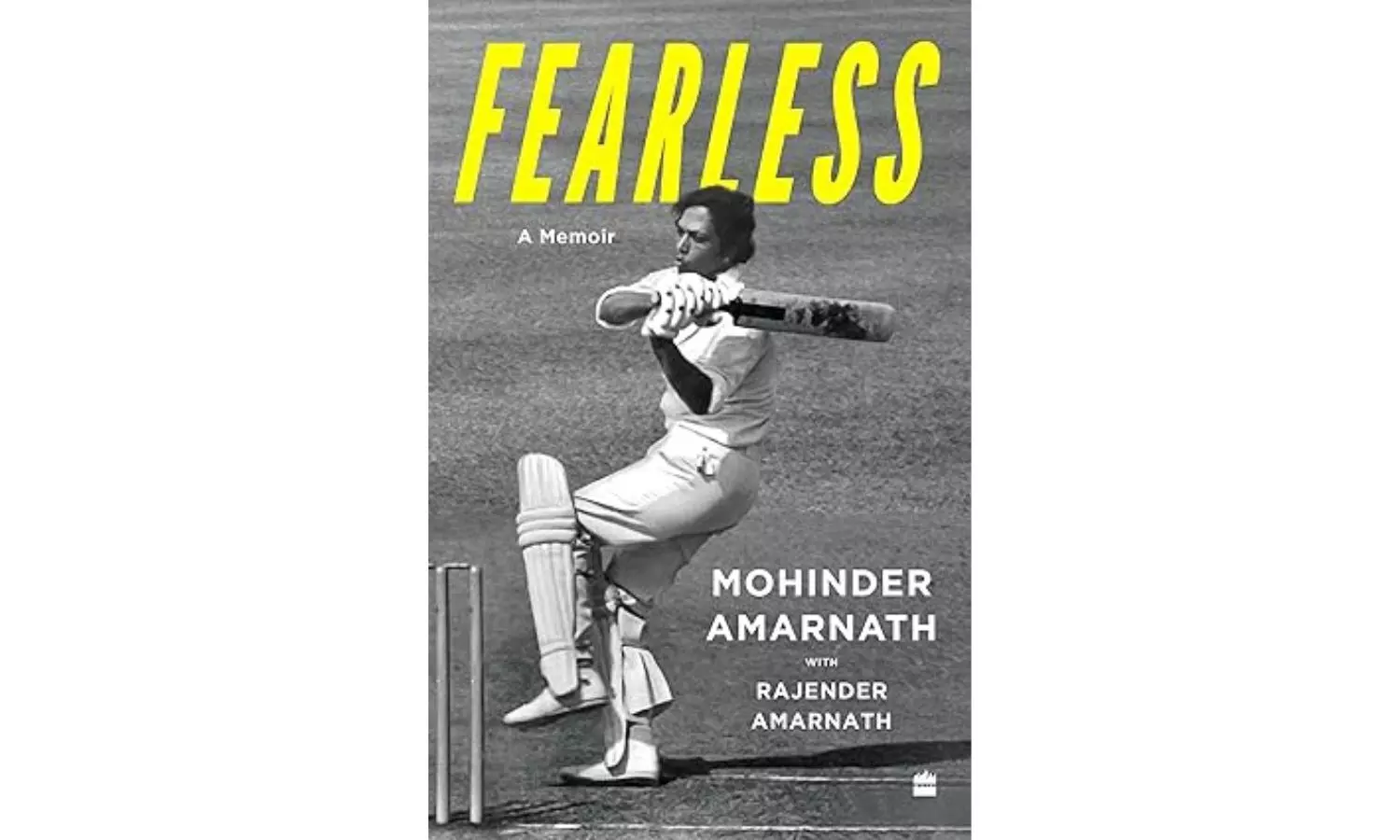
If Mohinder “Jimmy” Amarnath is not usually mentioned in the same breath as Sunil Gavaskar, Gundappa Viswanath, Kapil Dev (though a junior) or India’s famed spin quartet of Bishan Bedi, Erapalli Prasanna, Bhagwat Chandrasekhar and Srinivas Venkataraghavan, it is possibly because Amarnath, son of the great Lala Amarnath and definitely India’s Mr Dependable, was always at the receiving end of Indian cricket’s head honchos’ immense spite. Somewhere, even the media had a hand in somewhat downplaying the great contribution of this super all-rounder.
No wonder Amarnath, once completely frustrated at being dropped for the umpteenth time, called the selectors a “bunch of jokers”. This autobiography, for all practical purposes, should have come out way earlier. Gen Z just might not be able to grasp the importance of what Amarnath has penned with his brother Rajender.
The book is a searing and sincere account of probably one of India’s most misunderstood cricketing heroes. His name comes up with reverence every time we discuss India’s historic 1983 World Cup victory, as we talk about his steely temperament; his name comes up every time we find him rescuing India from the depths of despair — even against the fiercest pace attacks of his time, such as Holding, Marshall, Hadlee — and his name comes up as we find how mindlessly and cruelly he had been dropped from the squad, even after sterling performances. No wonder he sometimes thought if he was dropped for scoring runs.
And the surprise part Amarnath reveals in his book is that his great lineage — being the son of the great ‘Lala’ — actually often went against him. If this was not being petty on the part of the cricketing elders, what is?
Amarnath comes out as honest and refreshing, a voice with determination, yet sans malice. He doesn’t shy away from naming names or detailing the injustices meted out to him by the then cricketing establishment.
The dark reality in Indian cricket’s nasty politicking lasted a long time. Even when Amarnath applied for the job of the Indian team’s coach he was rebuffed, almost rudely. That attitude harks back to the time of the 1983 World Cup, when, even after being declared the Man of the Match in both the semi-final and final, he was unceremoniously dropped soon after. Probably the cricketing bosses expected servitude from a player, not forthrightness.
The book is not all about controversies, though. We get deeply personal glimpses into his family, especially his father, Lala, and the burdens and benefits of growing up in the shadow of a great man. There is warmth in how he recounts playing cricket with his brothers and learning to be resilient from watching his father battle his own battles with the establishment. These moments offer a rare tenderness amid the frank commentary on institutional wrongs.
Ultimately, Fearless is not just a memoir. It is a window to an era of Indian cricket where courage had to be demonstrated not only on the pitch but off it, against faceless committees and shifting allegiances. Mohinder Amarnath’s legacy as a fighter — not just against bowlers, but against a system that never truly embraced him — is cemented in these pages. For lovers of cricket and truth alike, Fearless is essential reading.
Fearless
By Mohinder Amarnath (with Rajender Amarnath)
Harper Sport
pp. 464; Rs 799