Book Review | Make the Most of Your Rage

The book goes through types of anger, and includes more contemporary phenomena like road rage and the misogyny of young “incel” me
This is not, I confess right up front, my kind of book. I am not prone to search for spiritual enlightenment through the sayings of gurus, sages and charlatans. I am also really bad at taking advice. You might argue that I am probably the right kind of person for a book like this, and that this review is not about me. So, let’s get on with it.
The author is a senior journalist and for many years was editor of The Times of India’s spiritual section, especially the very popular Speaking Tree. She also wrote on environmental, philosophy and social issues. Narayani Ganesh thus draws on her long experience and familiarity with spiritual leaders and minds of all hues and reputations to put together this little book.
The topic itself is of vital human interest — what makes us lose control and what can and should we do to rein our worst instincts in? Is anger only bad or is there some good to come out of it? What are the different sorts of anger and how should they be differently processed?
There is a vast range of voices on offer, from Buddha to Krishna to Mohammed, to their more worldly proponents from the Dalai Lama to Thich Nhat Hanh to pop gurus like Sri Sri Ravi Shankar. A small smattering of philosophers and psychiatrists as well.
The book goes through types of anger, and includes more contemporary phenomena like road rage and the misogyny of young “incel” men. However, we just skim through possibilities and realities, without heft or depth. Part of the problem is the size and format of the book — it’s a quick pick up read which does not delve into issues so much as provide sources where you might go for further ideas or solace.
My two favourite sections of the book are interviews with the Dalai Lama and Shantum Seth about how they managed their anger. Seth is a friend, I must confess; yet his journey from angry young man to Dharmacharya will be helpful to many.
Sections on how to manage your anger will also be helpful to many. I wish more time had been spent on the idea of “righteous” anger and the anger felt by injustice, which leads one to try and improve the world or the plight of the suffering.
I would not insult Anger by calling it a self-help book. But it is an introduction of sorts on how you might set out on a journey of self-discovery, if you were so inclined and were confused about whom to follow for direction. Here, you would find a diverse range of voices from many philosophies and belief systems, so that you can pick what suits your current frame of mind.
To the informed or self-aware reader, this book will not work. It is for the eager novice, for the beginner in the journey to finding themselves. For them, hidden and open gems amidst a bit of the obvious.
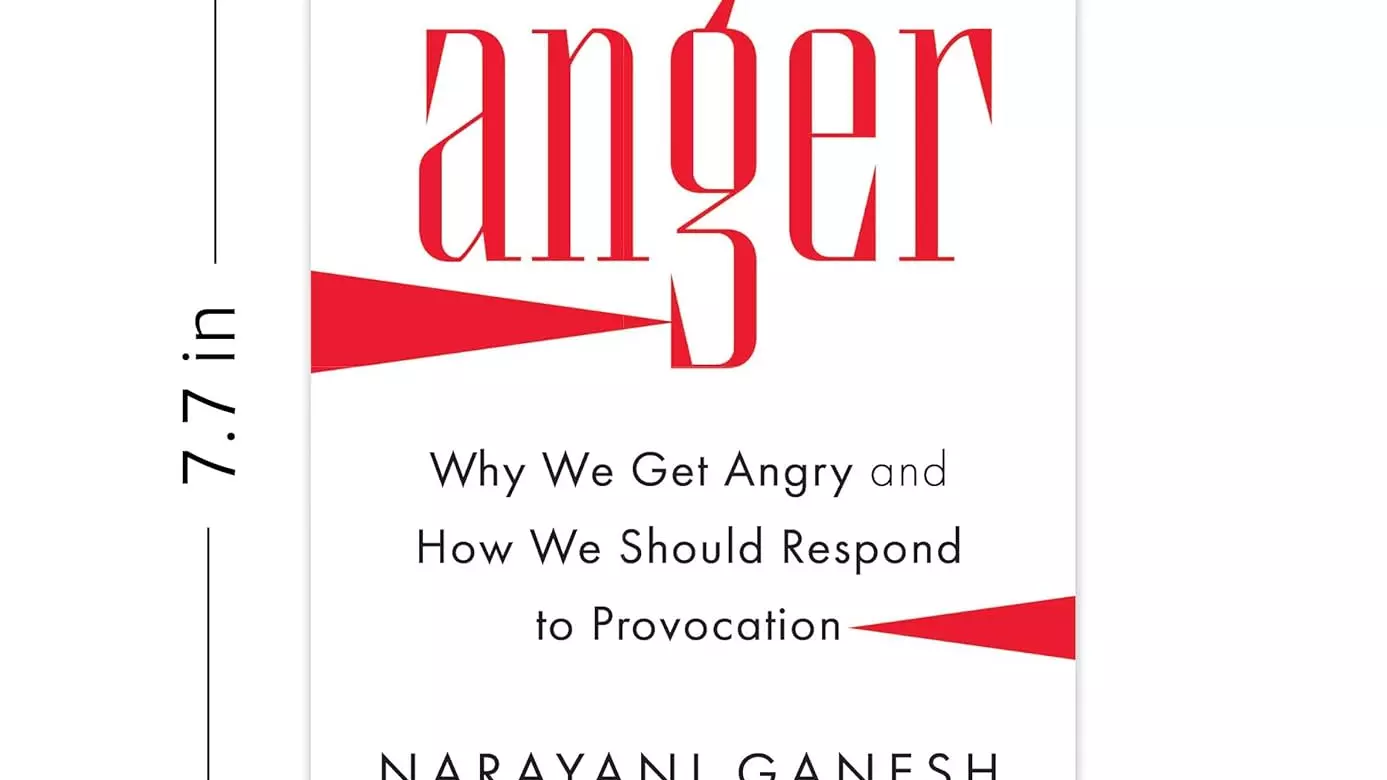
Anger: Why We Get Angry and How We Should Respond to Provocation
By Narayani Ganesh
Aleph
pp. 186; Rs 699
