Book Review | Life As Seen By An Indian Muslim Boy

The innocent, precarious world of childhood is brought alive and the reader experiences the joys and travails of this endearing boy that are related and brought to life so evocatively by this curious youngster
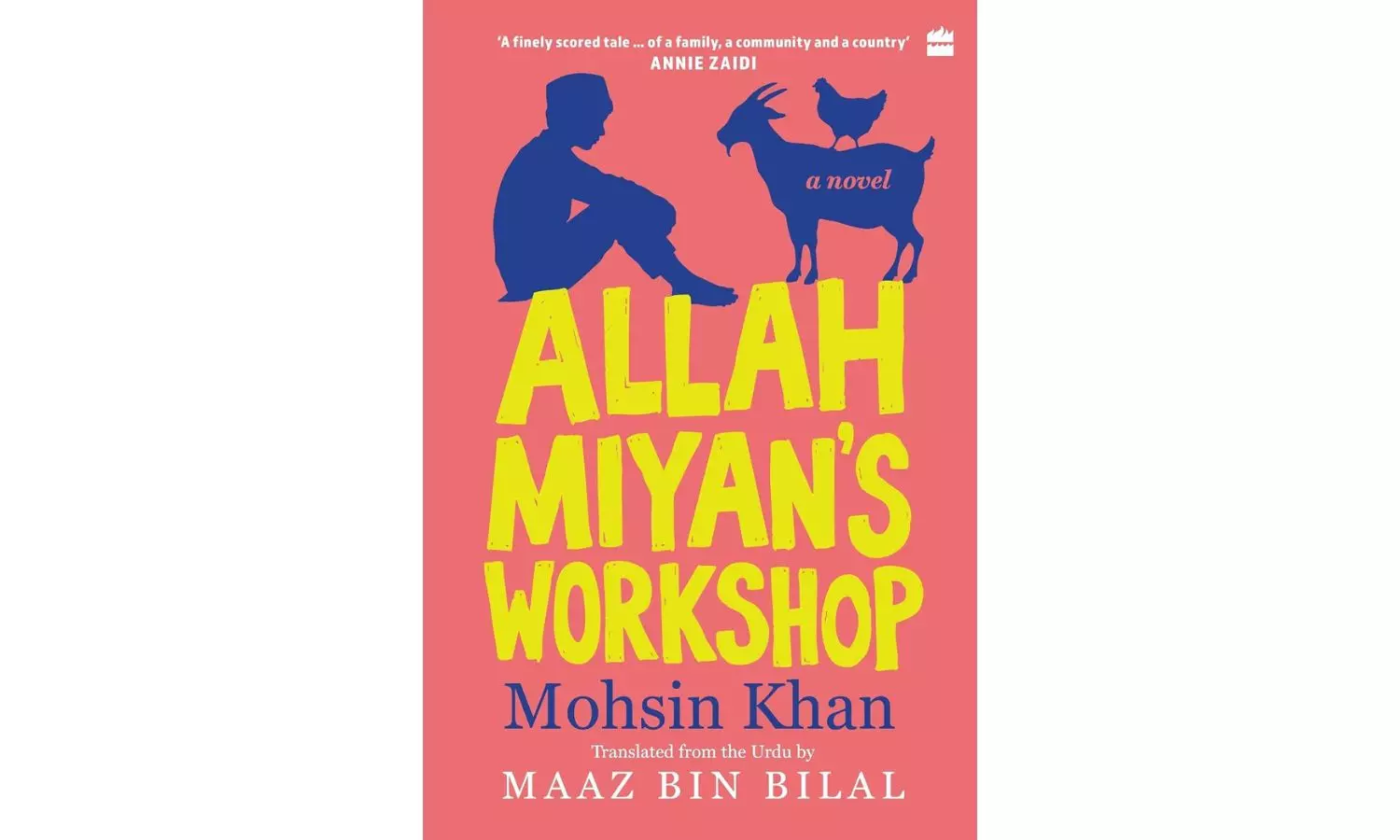
The cities of this world, built on the edges of small and great griefs, harbour the likes of Gibran, his small family, and the kind and unkind characters that populate his neighbourhood. They move through this novel enmeshed in their own web of fallible and frail human nature, and are viewed through the childish eyes of Gibran as he navigates the often-treacherous bylanes of life and relationships.
The innocent, precarious world of childhood is brought alive and the reader experiences the joys and travails of this endearing boy that are related and brought to life so evocatively by this curious youngster. Gibran loves to fly kites — so much so that he quite often, in the midst of his lessons, loses himself in dreams of capturing runaway kites and is punished for it by the strict Hajji who keeps the ‘Cane of Edification’ and the ‘Cane of Guidance’ for this particular purpose. But what chance does the concept of the Almighty and the hereafter stand against the allurements of a joyous, wind-swept run across the roads and fields tugging at the sharp string and engaging in ‘kite wars’ with other urchins? Gibran’s mother keeps hens, one of which is grabbed and taken away by a cat, making him wonder why the god who made hens also made cats. And his attachment to the Hajji’s goat which he takes out grazing does not allow him to enjoy its meat when it is sacrificially offered during Eid.
The story itself may appear to be quite specific — of a young Indian Muslim boy growing up in a village — and many of the details such as worship, customs, festivals, etc., are related to this particular specificity. However, the dreaminess, the inquisitiveness, the sceptical questioning of the little fellow are all things that everyone can identify with, no matter which nationality, setting or the creed they may profess to. For young Muslims growing up in contemporary times, the risk of demonisation, the casual, callous branding as ‘terrorists’ and long incarceration is an all too familiar reality as experienced by Gibran’s father who is a member of the Tablighi Jamaat. In a world that seems to brim over with death, loss, betrayal and abandonment, Gibran’s retreat into the comfort of dreams and the realm of the imagination is his only refuge.
The story does not take great leaps in time or space and remains rooted to the village Gibran grows up in. It is a small canvas that is filled in with meticulous attention to detail, tone and texture. The translation is impeccable and faithfully mirrors the idioms as well as the rhythms of childish language structure which changes subtly as the child protagonist grows older. Certain mispronunciations of the original Urdu by uneducated villagers and errors in writing by the child have been cleverly translated as mispronunciations and errors in English without affecting the flow of the language and narration.
This is a tender, moving book that paints a powerful picture of the world and imagination of a child and takes the reader back into their own childhoods and emotions even while engaging with the perhaps different reality of the characters.
The reviewer is a creative writer, poet and translator; was professor and director, IGNOU, New Delhi, and a fellow at the Indian Institute of Advanced Study, Shimla.
Allah Miyan’s Workshop By Mohsin Khan
Translated from the Urdu by Maaz Bin Bilal
Harper Perennial 2026 pp. 264;
Rs 499/-
