Book Review | India as He Has Lived It

The book will be rewarding for those who enjoy a good read about the small pieces that make up the mosaic of the life of any individual, even if he or she is publicly known more for a particular post Dr S.Y. Quraishi held
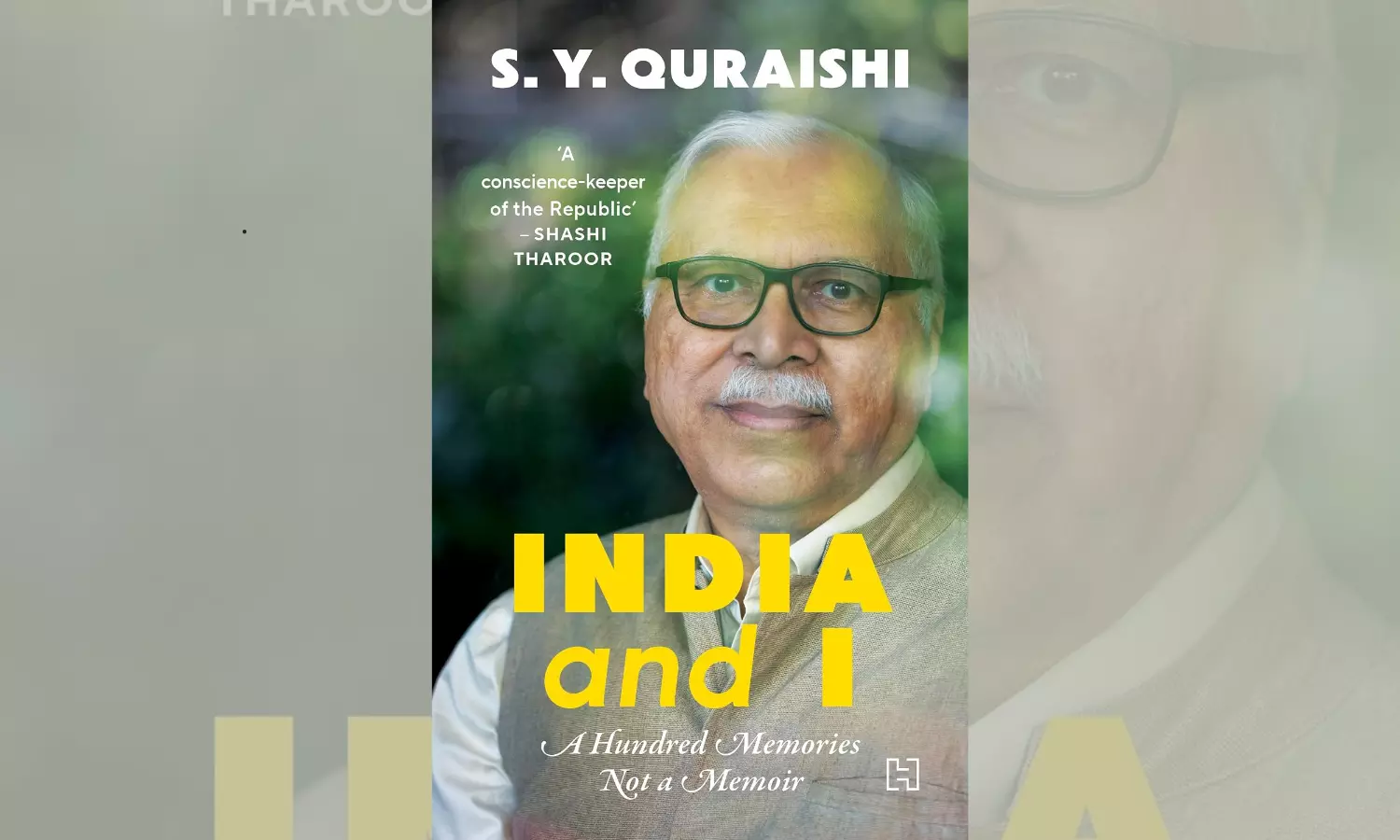
Dr S.Y. Quraishi has written an autobiography in a new genre. It is not a conventional narration of his life, but a series of incidents, anecdotes, stories, events and interactions, which pretty much provides a wide window to his life story, without making the readability tedious or overladen with minutiae that hold little interest for anybody else except the writer.
This kind of format is a refreshing change. The authors of most memoirs write as though they were the centre of the universe, and played an indispensably pivotal role in the shaping of history. Some, perhaps, may indeed have done so. But the majority exemplify a desire to amplify their own importance in the narrative, often to the detriment of both others and to factual objectivity.
Quraishi transcends this temptation. As chief election commissioner (CEC), he did play a significant role in the evolution of democracy in India and the role of the Election Commission. But he speaks of this almost in passing, as part of a larger journey in which the small incidents that shaped his life are given equal if not more importance than the public offices he held, or the policies he helped to structure.
It is these smaller — some would say even seemingly insignificant — episodes of his life which hold the reader’s attention. Starting from his childhood in old Delhi, to his education and qualifying for the IAS, to his passion for the guitar and for western music, to the lessons he learnt about the way to live life or prioritise values from people who would otherwise not find mention in a self-ostentatious memoir—these ‘smaller’ episodes seem to matter much more to him.
The stories are told as succinctly as possible, in fact sometimes too briefly. Presumably, that brevity is something he intended to have, and it serves its purpose: an incident is narrated, the bare facts put before the reader, and the lessons learnt from it told without moral pomposity. From such a narration, almost unobtrusively, a larger picture of both the man and the events he was part of, effortlessly emerges. This compressed style also allows him to put in many more aspects of his life, thereby holding reader attention.
The stories are written with candour but simplicity, with no attempt to glorify the author. In the end, what emerges is a profile of a man who is rooted in the ethos of old Delhi, is a conscientious officer, has varied tastes unrelated to his service, is a person often willing to accept where he has erred, and an individual who sought to savour life in its many dimensions beyond the ken of narrow careerism.
Perhaps, the book will be a disappointment for those expecting Quraishi to reveal unknown secrets or inside information on his role as the CEC, and thus fulfil the insatiable demands of controversy. But it will be rewarding for those who enjoy a good read about the small pieces that make up the mosaic of the life of any individual, even if he or she is publicly known more for a particular post he held. I enjoyed reading Quraishi Saheb’s ruminations on his life’s journey, and would unhesitatingly recommend it to those who wish to go beyond the repetitive and conventional gyan that people of prominence want to give to others.
India and I: A Hundred Memories, not a Memoir
By S.Y. Quraishi
Hachette
pp. 264; Rs 699
