Book Review | Batanagar’s Journey From Sole To Soul

The author has not just recreated her childhood memories of the township she called home, she has been blunt enough to point out the segregation and seriation that was imposed, and how this didn’t quite sit well with the employees
An entire male population of India grew up splashing puddles on their way home from school, wearing Naughty Boy shoes. The shoes were made to last and provided respite to parents worried about the next purchase. The girls danced their way in Ballerinas. For their early years BubbleGummers were the best choice. These were fancy, durable and moderately priced shoes. They were all made by Bata India Ltd.
The name Bata used to be sewn into every urban Indian family’s mindscape: schools, festivals (the Pujas in West Bengal), daily chores, every part of it. That people also grew interested in the existence of this company township, not far from the heart of Calcutta (Kolkata), called Batanagar, perhaps emanated from the participation and success of the company’s football team in the Calcutta league. We barely stopped to think how and when Bata, a Czech company, having originated in the garden city of Zlin and founded by Tomáš Bata, had become a very integral part of Indian psyche. Bata has remained close to Indian hearts.
Company townships have not been new to India. The Tatas built Jamshedpur, developing the village of Sakchi into a modern industrial township in Bihar (now Jharkhand), making it the first such private venture; the Kirloskars had their own version in Maharashtra and huge steel city townships came up post-Independence. Batanagar’s addition to the landscape was in 1934, but the setting by the Hooghly River was unique in many ways.
The author has not just recreated her childhood memories of the township she called home, she has been blunt enough to point out the segregation and seriation that was imposed, and how this didn’t quite sit well with the employees. Yet, the neat bungalows, the tree-lined roads the club, the medical amenities and chapel and temple, a mosque too, imparted a sense of peace for workers when they returned from their daily jobs at the adjacent factory. Their basic needs were taken care of, and they could put more time and energy into their work. That has been the primary purpose of such townships.
The chapters have been mostly interleaved, one set dealing with the progress of Bata in India, the other with the lives of the dwellers at the township. With the author living within the high-society Colony 1, as she puts it, she may have missed the factory’s hoi polloi, the daily little joys and surprises, but she has carefully adjusted her own life within the confines. She goes through the troubled times, the Naxalbari agitation, the assassination of Prime Minister Indira Gandhi and how these issues permeated through the walls.
This is an academic study, if anything, yet friends within the compound have often been dismissed as just names — Ranu, Shantanu, Babuada et al. — stepping onto the stage for a few fleeting moments before exiting. That rarely describes the bonhomie, the camaraderie or the growing up days. The book is a lot about Paramita Sen’s own, close family. And Batanagar is a subject from the past that needs deeper inspection, probably a bit of introspection.
That is the author’s prerogative, for sure, but whether it is the reader’s is a matter of personal choice. Batanagar may attract the children of the times, now grown up, wanting to relive some precious moments. If they find any, that would be the book’s contribution.
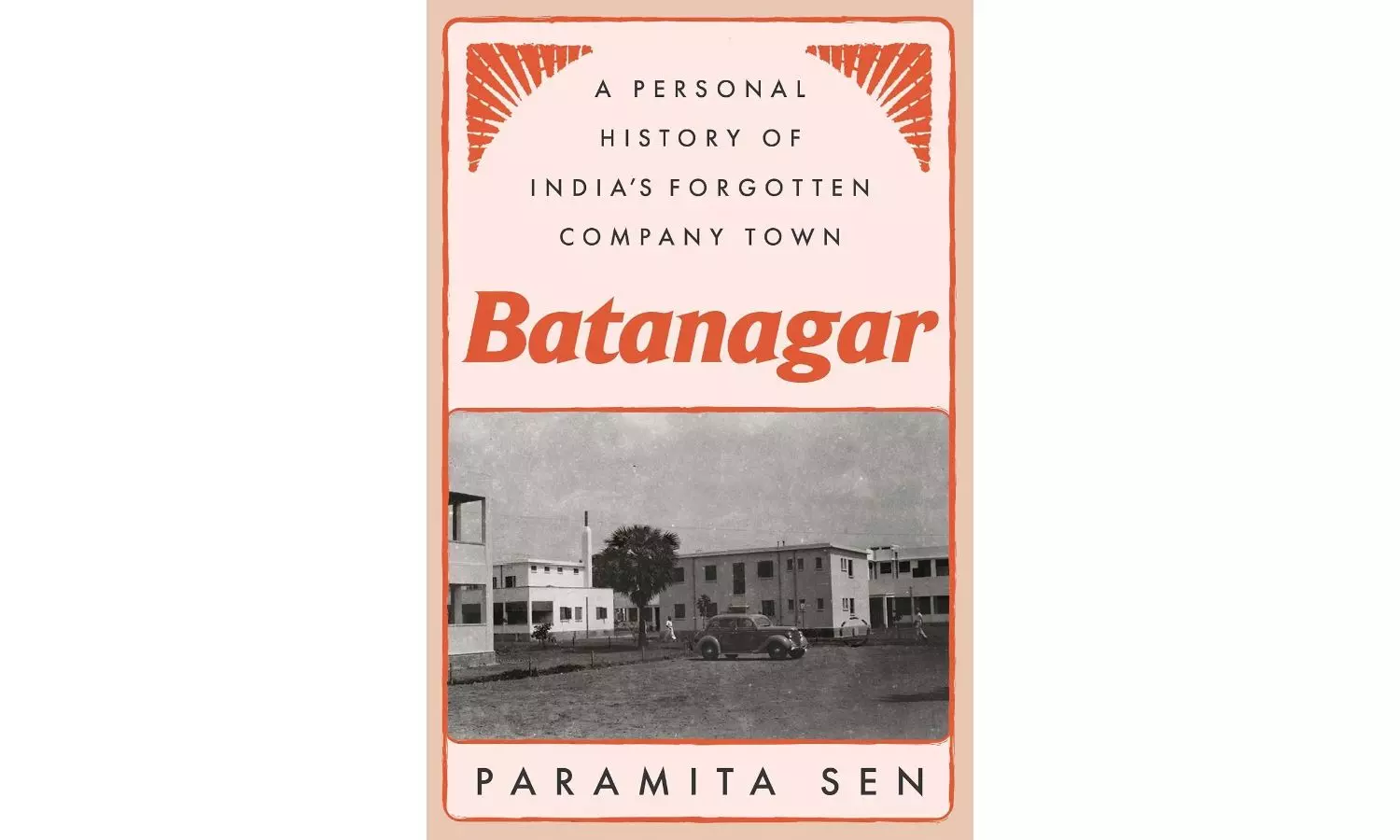
Batanagar: A Personal History of India’s Forgotten Company Town
By Paramita Sen
Pan Macmillan
pp. 225; Rs 399/-