Book Review | An All-too-Familiar Loneliness?

The delicacy of observation and lightness of prose on offer here makes for pleasant reading, but often resembles the reconstituted pulp of a decade of postcolonial cultural production
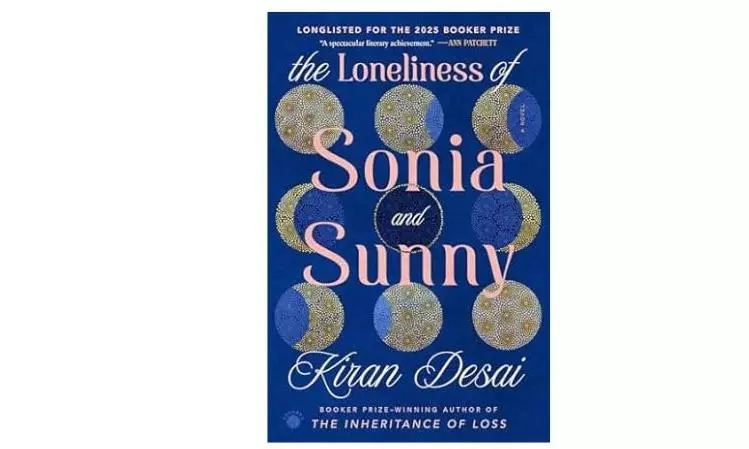
A wave of fanfare has followed Kiran Desai’s third novel, her first in the nearly twenty years since she won the Booker Prize in 2006. Several themes pass over between her previous novel and this one: migration, family and the violent and surprising side effects of Indian modernity. Yet within this long, digressive and capacious novel, one strains to find the same resonant note that invigorated the author’s previous writing.
The Loneliness of Sonia and Sunny moves back and forth across the lives of our fated couple as they navigate their dual existence as subjects of a liberalising India whilst trying to find their feet in the United States. Both land up in New York: Sonia, fresh out of a creative writing degree in Vermont, falls into an abusive relationship with an egotistical Dutch painter. Sunny dates pale-skinned Ulla from Kansas, edits articles for the Associated Press, and dreams of producing gonzo journalism from his homeland. Their lives collide in spurts. Gently at first, when their families propose marriage as a cure to the loneliness of the West, and then with greater insistence when circumstances force them back to Delhi and Allahabad.
On display is the sort of abundant, lyrical style Desai pioneered around the cusp of the new millennium: a language of plenitude and overwhelm consistent with the well-worn conundrum of how best to render the contradictory and multisensory experience of modernising India in a purportedly Western form.
Only a fool would doubt Desai’s talents as a stylist: she is incapable of producing a clunky sentence. But what she does produce here are a string of well-crafted truisms of Indian identity politics which feel directly reheated from the early 2000s. Early in the novel, when Sonia tries to write a story of a boy who lives as a monkey and is mistaken for a hermit, she is rightly chastised for producing “orientalist nonsense”. Yet Sonia and Sunny’s deracinated perspectives on Indian life produce the same orientalising, quasi-western gaze that the author seems primed against. Though it purports to know better, the novel conjures “peacocks with lush tails” and “rose gardens of nine varieties blooming in the winter” with the wide-eyed fascination of a tour guide.
One could be forgiven for holding a novel of this stature to higher standards. I grew impatient at it for dragging me back into the over-litigated dilemmas of post-liberalisation India. Desai’s treatment of migration, the pressures of upper-class Indian families and their obsession with matrimony and status are carefully constructed yet bloodless and over-familiar, particularly at a time when the nineties loom large in the cultural zeitgeist.
The delicacy of observation and lightness of prose on offer here makes for pleasant reading, but often resembles the reconstituted pulp of a decade of postcolonial cultural production. This is old wine in an old bottle; we do not ride in Ambassadors anymore.
The Loneliness of Sonia and Sunny
By Kiran Desai
Penguin
pp. 688; Rs 999