Book Review: 11 Caucasians Who Crafted the Allure of Calcutta

This finely researched book explores the shared legacy of every person growing up in Kolkata.
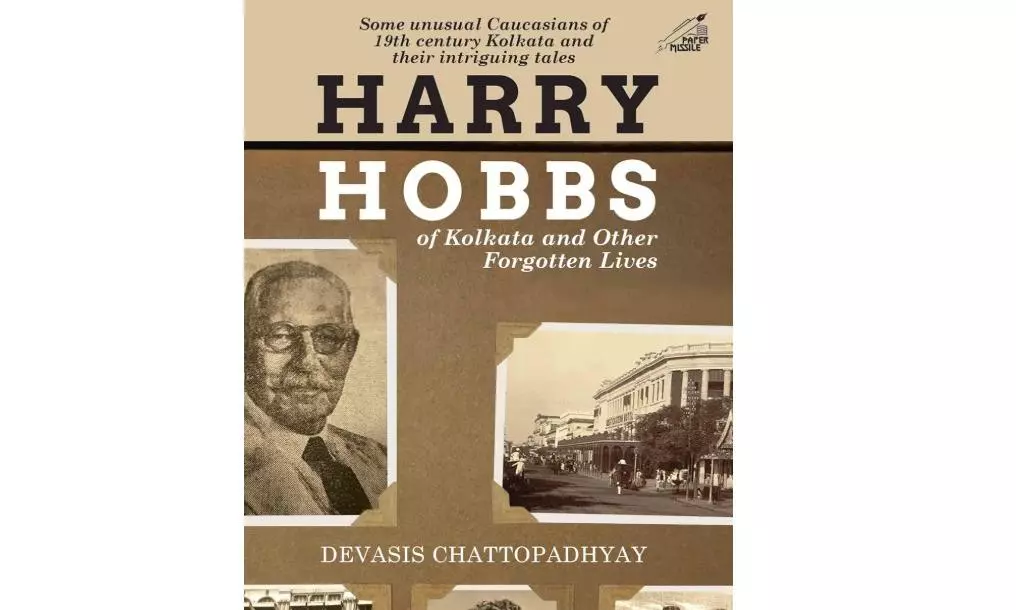
This finely researched book explores the shared legacy of every person growing up in Kolkata. It chronicles the lives of at least 11 forgotten newsmakers. Chief among them is Harry Hobbs, one of Kolkata’s first urban historians.
Hobbs arrived in Kolkata in 1883. A piano tuner by profession who rose to become a distinguished member of Kolkata’s high society passing away in 1956, he wrote several books, including among others It Was Like This! (1918), Indian Dust Devils (1937), John Barleycorn Bahadur — Old Time Taverns in India (1943) and Spence’s Hotel and Its Times (1936). They paint vivid pictures of the growing city, its persistent water crisis that led to cholera epidemics, the arrival of ice in 1833, the Office Para tiffin culture and the ten-anna peg with countless other nuggets of information.
The arrival of ice aboard the American ship called Tuscany set off a spate of congratulatory visits and dinner parties around town. Historian William Dalrymple writes his great-great-great-grandfather James Pattle threw a party on the occasion and served everyone with “tiptop champagne” on ice. Sadly, of course, Bengali society was slow to catch up to this modern invention; even in the late nineteenth century, it was ostracising families for having partaken of plain old “burf”.
Now James Pattle who had the “reputation of a liar” but nevertheless played a small part in the abolition of Suttee as a puisne judge was a son-in-law of Antoine De L’Etang, lover of Marie Antoinette, last queen of France before the French Revolution. De L’Etang also knew Julius Soubise, a slave-turned-black British gentleman, who had set up Kolkata’s first riding and fencing school for both men and women.
Slavery was abolished in Britain in 1833. But Henry Thoby Prinsep, older brother of the Indologist and founder of Asiatic Society James Prinsep after whom we have the Prinsep Ghat on the Hooghly river, delayed its abolition in India on the facetious logic that Indians might regard it as an encroachment on their social practices!
And then we have the Shakespears of Kolkata, one of whom, John, the great-great-grandson of the Bard’s uncle Thomas, was a close associate of Warren Hastings and intrepidly switched ships mid-Atlantic to give the slip to Hastings’ adversary Philip Francis with whom Hastings had famously duelled just so he could reach England four months ahead of him to pre-empt him from lobbying against his boss. However, Hastings still faced impeachment for embezzlement.
Civil servant Isaac Roberdeau, media mogul Shirley Tremearne, owner of Capital, police detective Richard Reid who was one of the earliest English crime writers and predecessor of Priyanath Mukhopadhyay at Lalbazar of Darogar Daptar renown, Col. Percy Wyndham of the Indian Charivari, Dave Carson whose ditty would be hummed by M.M. Dutt, these extraordinary men were really the ones behind the phenomenon that is known as Kolkata today. It does the author credit that he has so lovingly resurrected them for his reader.
Harry Hobbs of Kolkata and Other Forgotten Lives
By Devasis Chattopadhyay
Niyogi
pp. 316; Rs 595
