World Rum Day: The Seychelles Distillery Turning Waste Into Opportunity

Set inside a restored 18th-century plantation, Takamaka Rum is proving that sustainability is not just about what goes into a bottle, but also about what goes back to the community.
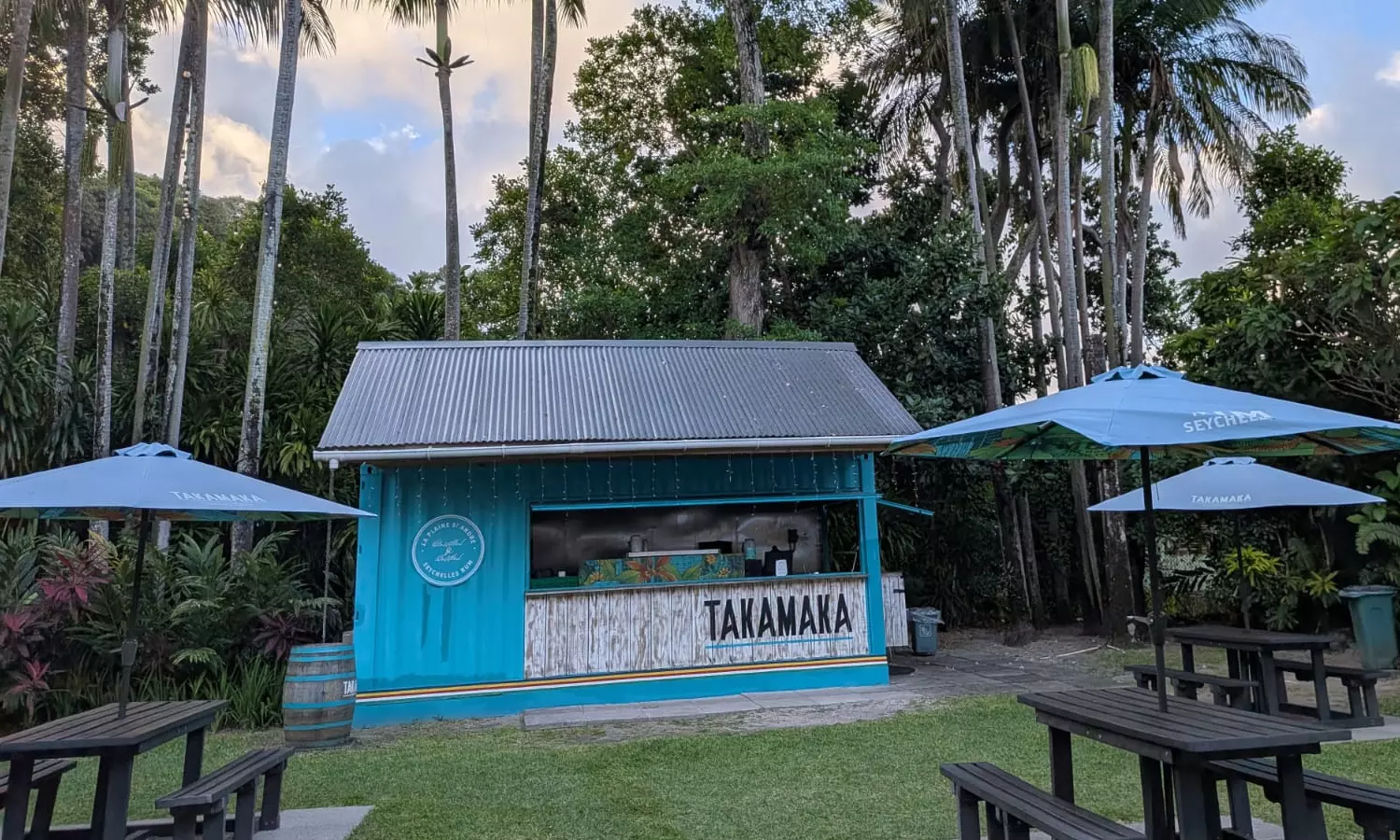
There is something poetic about making rum on an island where nature dictates almost everything.
At La Plaine St. André in Seychelles, home to Takamaka Rum, sustainability is not presented as a marketing phrase. It is woven into everyday decisions, from how sugarcane is sourced to what happens to an empty bottle after the last sip.
On World Rum Day, that story perhaps deserves as much attention as the spirit itself.
The journey began over two decades ago when brothers Richard and Bernard d’Offay returned to the Seychelles with a simple ambition. As Retha d'Offay, who worked alongside the founders and is married to Richard, recalls, the brothers had learnt the craft while living in South Africa and returned home hoping to build something rooted in the islands. What started with just 1,600 bottles in the first year has today grown into a rum brand available in more than 60 countries.
Their home is equally remarkable. The distillery sits within La Plaine St. André, a restored heritage plantation dating back to the late 18th century. Rather than replacing its history, the team painstakingly restored the property after securing a long-term lease, preserving its original character while giving it a new purpose.
For spokesperson Retha d'Offay, however, the real story lies in what happens behind the scenes.
“We send big reusable containers to hotels instead of individual bottles, recycle glass into drinking tumblers and even crush discarded bottles so they can be reused,” she says. During the pandemic, the distillery also converted alcohol into hand sanitiser that was supplied to hospitals, schools and clinics across Seychelles.
The commitment extends well beyond the distillery gates. Takamaka contributes annually to a sustainability fund that supports local entrepreneurs with environmentally responsible business ideas. “Anybody who wants to start a new sustainable business can apply for funding,” Retha says, adding that the grants are administered independently through a government institution.
Even the island’s bartenders are part of the effort. Last year, the distillery invited some of the world’s leading bar professionals to Seychelles to teach sustainable bartending techniques. The workshops focused on reducing food waste, extending the life of citrus through “super juice”, creating syrups from locally available ingredients and encouraging bars to rethink everyday practices.
Sugarcane itself presents another challenge. With limited farmland and some of the world’s most expensive cane, production remains deliberately small. Farmers are encouraged to grow whatever they can, with leftover fibre returned to them as fertiliser or animal feed, ensuring very little goes to waste.
It is easy to visit a distillery and remember the tastings, the cocktails, and the barrels ageing in cool warehouses. Yet what lingers longest after leaving La Plaine St. André is not just the aroma of rum. It is a reminder that on a small island where every resource matters, sustainability is less about grand gestures and more about hundreds of thoughtful choices made every single day.
