7 Reasons Watching a Show Beats Doom-Scrolling Every Single Time

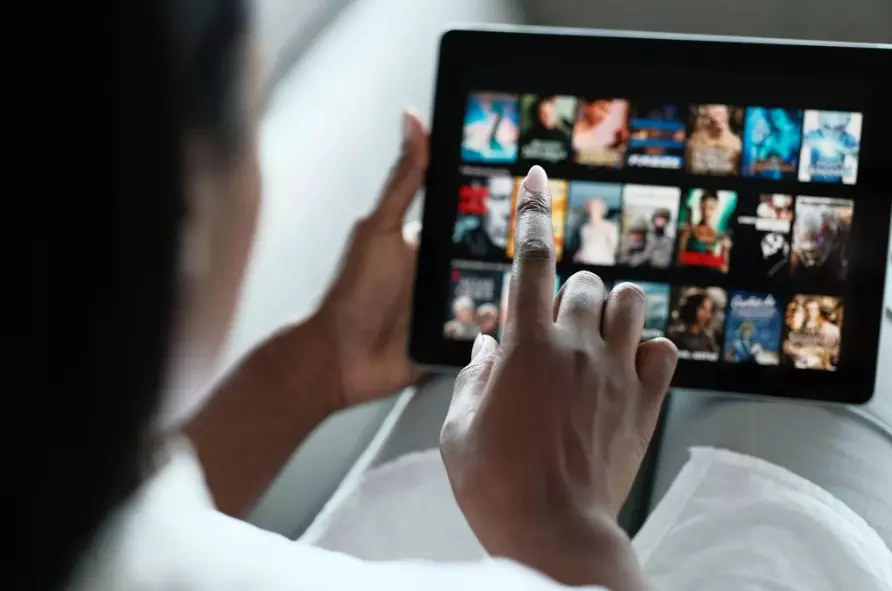
Now think about the last time you actually watched something, not just had it on in the background, but picked a show, maybe one that had been sitting in your Netflix watchlist for weeks, and followed it to the end.
No, this is not your mum telling you to put your phone down. It is science, and honestly your own gut feeling, reminding you that sometimes the better choice is simply to stop scrolling.
You have been there. It is 11pm, you have been on your phone for 45 minutes, and you genuinely cannot recall a single thing you saw. Just a blur of outrage, someone’s Bali vacation, a mildly upsetting news clip, seventeen reels, and an ad for shoes you suddenly want. You are exhausted, and somehow still scrolling. Kids are caught in the same loop now. One short video becomes twenty, with the algorithm always ready with the next thing before anyone even asks for it.
Now think about the last time you actually watched something, not just had it on in the background, but picked a show, maybe one that had been sitting in your Netflix watchlist for weeks, and followed it to the end. The experience feels completely different, and that difference is not a coincidence.
You actually made a choice
Social media often runs on autopilot. Many people open an app without even realising it, because the design makes it frictionless to keep going. Infinite scroll and unpredictable rewards keep the feed moving, which is why behavioural scientists often compare it to slot machines.
Choosing something to watch works differently. You decide what to watch and press play. That small moment of intention puts you back in control of the screen.
Your brain gets a full story
Every swipe delivers a tiny dopamine spike that disappears almost instantly, pushing you to look for the next one. Researchers have identified doom scrolling as a distinct behavioural pattern because of this loop.
Stories work differently. Characters develop, conflicts build, and events resolve. Humans have always consumed stories this way, from oral storytelling to cinema. A complete narrative leaves your brain feeling finished instead of restless.
Stories help you understand people
Following characters through complicated situations activates what psychologists call theory of mind, the ability to understand what other people might be thinking or feeling.
Research from universities including Amsterdam and Oklahoma suggests that engaging with complex storytelling can strengthen this skill. For children especially, stories help them understand friendships, mistakes, kindness, and conflict in ways a fast moving feed rarely encourages.
Less emotional whiplash
Scrolling is unpredictable by design. One moment it is a cute dog, the next moment it is distressing news, then an advertisement, then something completely random. Your brain never quite relaxes because it does not know what is coming next. When you choose something to watch, you usually know the tone, genre, and rating beforehand. That predictability makes the experience calmer and easier to process.
Your attention span gets a workout
Researchers have even coined a term for the effects of heavy short form video use, often referred to as “TikTok brain”, describing the decline in sustained attention linked to constant rapid clips. Watching a full episode asks your brain to stay with a storyline, follow characters, and track events over time. In that sense, a 45 minute episode becomes a small workout for your attention span.
Your brain can actually wind down
Late night scrolling keeps your brain alert because the emotional tone keeps changing. Something funny, something stressful, a headline that makes you angry, your mind never quite switches off. Research from Johns Hopkins has linked heavy social media use with disrupted sleep. Watching something you deliberately chose tends to be more predictable, which makes it easier for your brain to slow down before bed.
You will actually remember it
Ask someone what they saw during an hour of scrolling and the answer is usually vague. Content designed purely for engagement is rarely designed to stay in memory. A story does the opposite. You remember the characters, the twist, or the moment that surprised you. Sometimes that is the difference between time that disappears and time that feels well spent.
The moral of the story? The problem was never the screen. It was the scroll. The difference between an hour that disappears and an hour that stays with you often comes down to one small decision, whether you kept scrolling, or chose something worth watching.
