Supreme Court To Hear Plea Against Cash Donations to Parties

Petition seeks greater transparency in political funding and disclosure of all donors
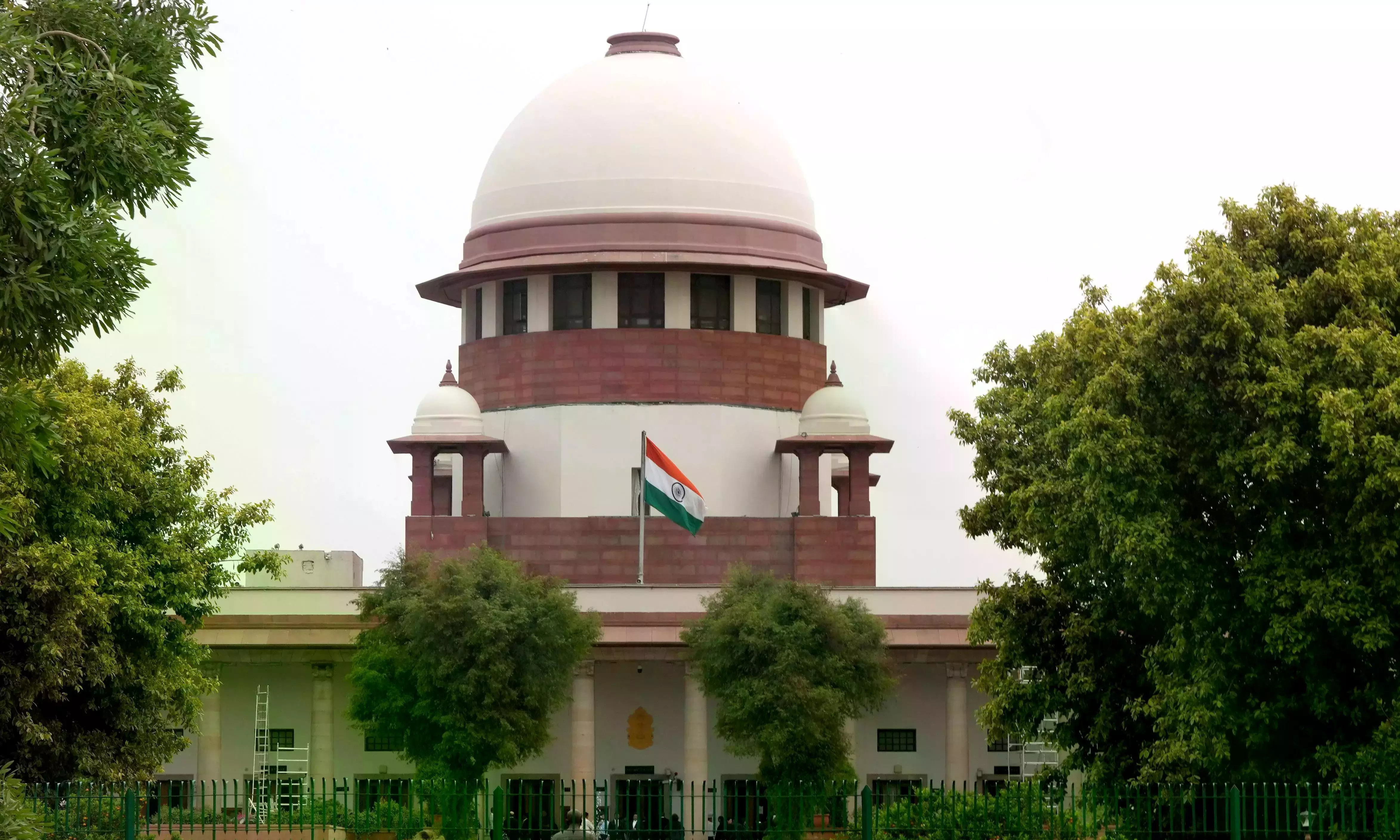
New Delhi: The Supreme Court is slated to hear on August 31 a plea challenging the validity of a provision of the Income Tax Act that allows political parties to receive cash donations below Rs 2,000.
A two-judge bench of Justice Vikram Nath and Justice Sandeep Mehta is scheduled to hear the plea.
On November 24 last year, the apex court had agreed to hear the petition and sought responses from the Centre and others.
Petitioner Khem Singh Bhati has sought the striking down of Clause (d) of Section 13A of the Income Tax Act, 1961, as unconstitutional. The plea also referred to the Supreme Court’s 2024 judgment scrapping the electoral bonds scheme.
The petition claimed that lack of transparency undermines the purity of the election process as it deprives voters of crucial information about the sources of political funding, including donors and their motives, preventing them from making a rational, intelligent and fully informed decision while voting.
Bhati also sought a direction to the poll panel to prescribe, as a condition for registration of a political party and allotment of an election symbol, that no amount can be received in cash by any political party.
“The petitioner is seeking direction that the political parties must disclose the name and all other particulars of the person paying any amount of money to it, and no amount can be received in cash so as to maintain transparency in the political funding,” the petition said.
Section 13A of the Act deals with the special provision relating to the incomes of political parties. The petition said income of a political party received by way of interest on securities, income from house property or other sources, and voluntary contributions are exempted from the computation of total income.
The plea has also sought a direction to the poll panel to scrutinise Form 24A contribution reports of all recognised political parties and require them to deposit amounts received as contributions for which the address and/or PAN have not been furnished.
