Supreme Court Tells CBSE To Allow Apaar Opt-Out for Parents

Parents must be able to say “no” before their child is enrolled
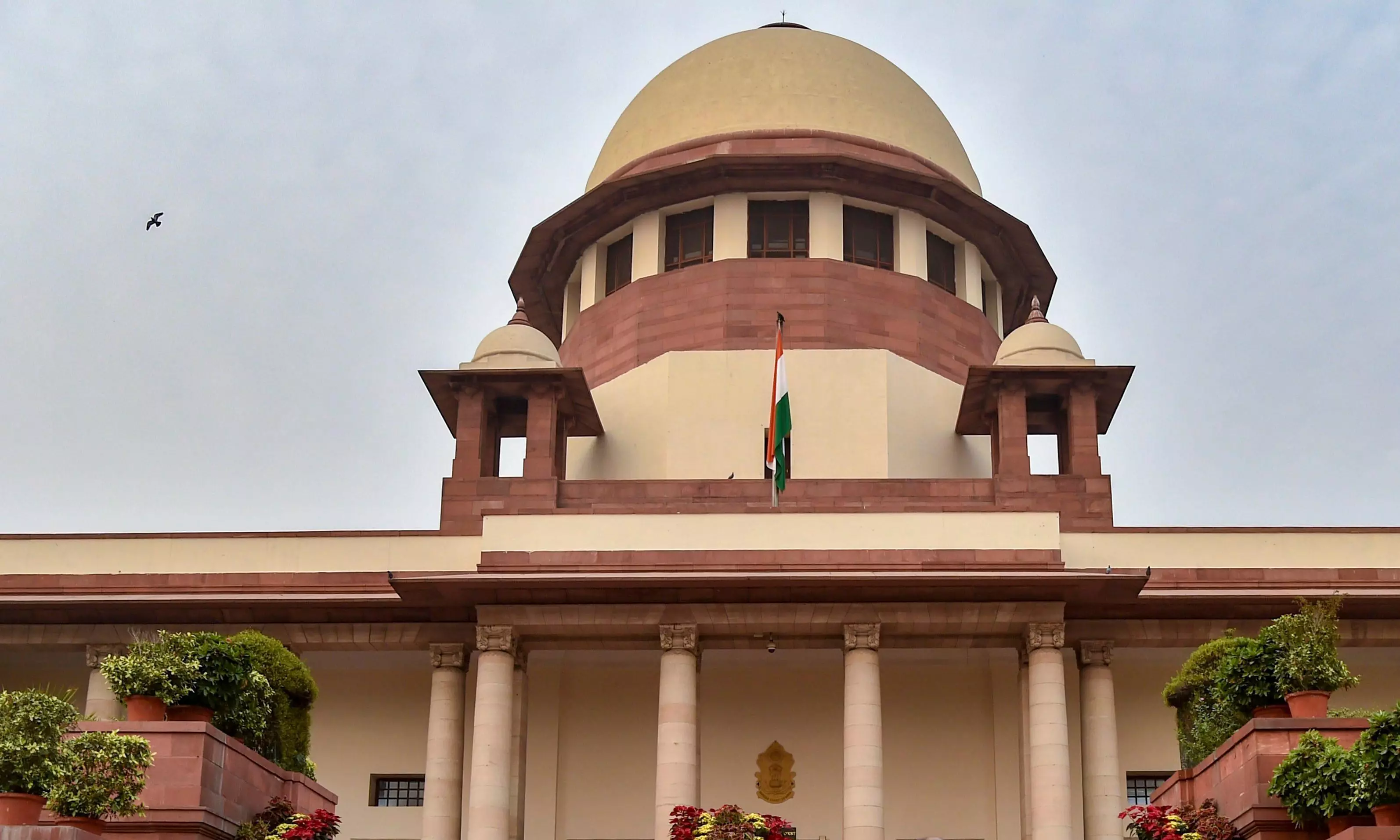
New Delhi: The Supreme Court on Monday said it would direct the CBSE to amend its model consent form for Automated Permanent Academic Account Registry (APAAR) IDs, giving parents across India the option to refuse consent or opt out of the scheme.
APAAR, introduced by the Union education ministry under the National Education Policy, assigns every enrolled student a lifelong 12-digit ID. It serves as a digital repository for marksheets, degrees and co-curricular achievements.
A bench comprising Chief Justice Surya Kant and Justices Joymalya Bagchi and V. Mohana was hearing a petition by the parents of four students challenging the scheme on the ground that it effectively compelled children to obtain Aadhaar.
The bench noted that the Centre had not challenged a December 2025 Orissa High Court judgment directing the education ministry to include an opt-out provision in the consent form.
“We will direct the CBSE to implement this judgment on a pan-India basis,” the bench said, adding that a formal order would follow. It also asked the board to examine concerns over parental consent and protection of students’ personal data.
Senior advocate Indira Jaising, appearing for the petitioners, said APAAR was described as voluntary but was linked to Aadhaar, making Aadhaar enrolment a practical requirement. She argued that students could not be asked to obtain Aadhaar and APAAR to appear for examinations.
Jaising said the existing consent form did not offer parents a meaningful opportunity to refuse enrolment. She also alleged that the scheme failed to comply with the Digital Personal Data Protection Act, 2023, particularly on informed consent, withdrawal of consent and long-term storage of children’s data.
The CJI, however, said the scheme’s objective of creating a unique academic identity for students was a “welcome step”. Such an identifier could help authorities maintain accurate student records and monitor educational indicators, he said.
The bench observed that CBSE circulars would remain subject to the data protection law.
The Orissa High Court had held that the absence of an opt-out provision undermined the government’s claim that APAAR was voluntary. It also ruled that education could not be made conditional on Aadhaar and that allowing withdrawal after enrolment could not replace the right to refuse consent at the outset.
