SC Seeks Replies on Plea for National Digital Registry of Lawyers

18 Jun 2026 5:29 PM IST18 Jun 2026 5:29 PM IST
Supreme Court issues notice to Centre, Bar Council of India and UGC on a petition seeking a technology-driven system to verify advocates and curb fake practitioners.
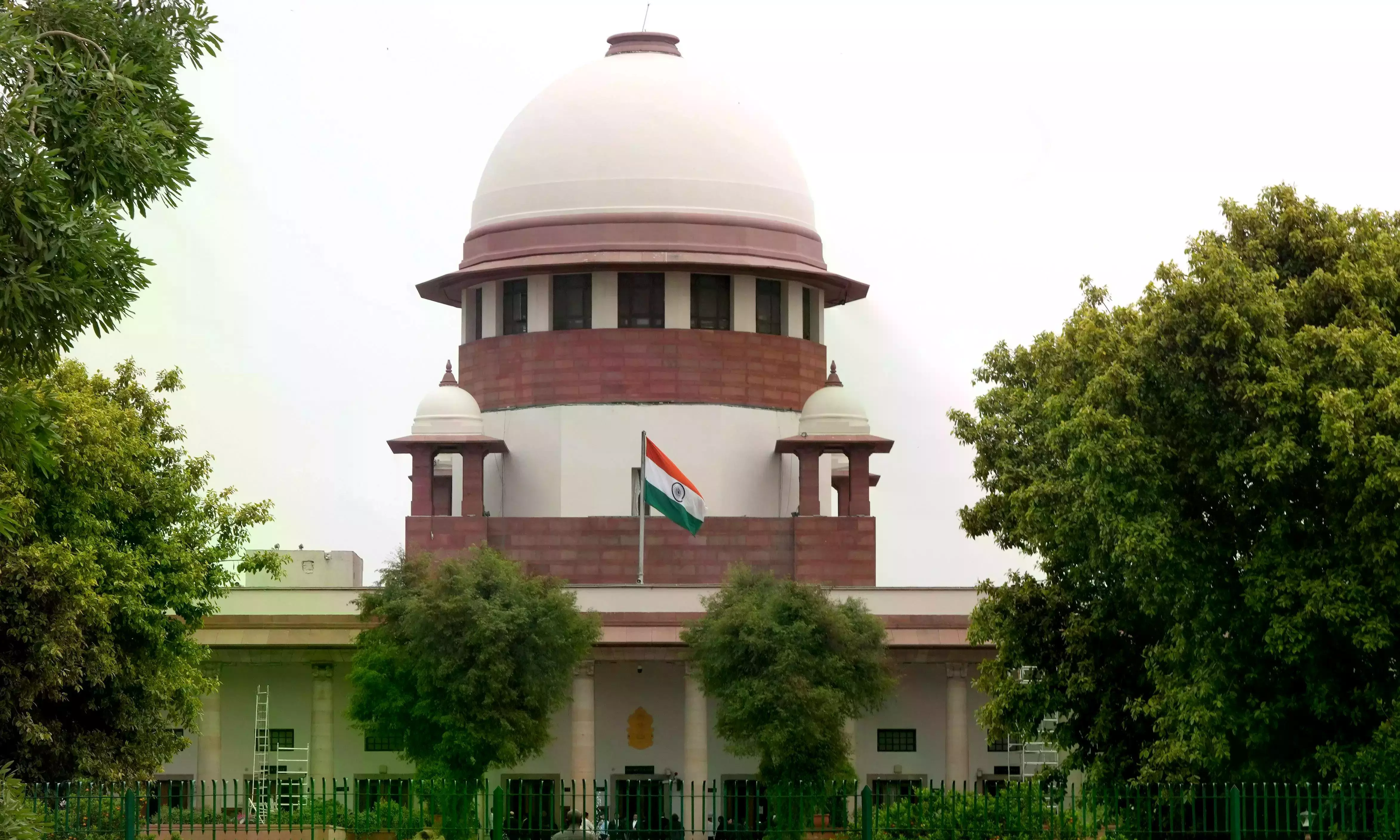
The Supreme Court has sought responses from the Centre, the Bar Council of India and other authorities on a plea seeking a national digital registry for lawyers and a unique advocate identification system.
The Supreme Court on Thursday sought responses from the Centre, Bar Council of India, and others on a plea seeking a direction to establish a national digital registry of legal professions in India, including a unique national advocate identifier for every enrolled lawyer, to curb fake practitioners.A bench of Chief Justice Surya Kant and Justice V Mohana observed that the idea appeared innovative and could be done with the help of technology.
The petition, filed by the Bar Association of India (BAI), has also sought a direction to the Bar Council of India (BCI) to frame a social media and digital conduct code under Section 49 of the Advocates Act, 1961. Advocates Vipin Nair and Prashant Kumar appeared for the BAI.
The top court issued notice to the Centre, BCI, the University Grants Commission (UGC), and others, seeking their responses to the plea, and posted it for hearing in July.
During the hearing, the CJI stressed the need to strengthen the young members of the Bar and said they must be encouraged. When the petitioner's counsel referred to the issue of social media and digital conduct code for lawyers, the bench said it had come across some "nasty comments" on digital platforms.
"We will show you some of these samples. What kind of nasty comments and statements are being made, and we are sure they have nothing to do with the law," the CJI said. The CJI said advocates were responsible and added that the first thing they learn is professional ethics "They (advocates) will not indulge in all this. Those who are doing it and are defaming the profession, they may not be really professionals," the bench said.
The CJI said the best thing is to strengthen the young members of the Bar. He said in some high courts and even in some district courts, young members of the Bar have formed associations, and were engaging in constructive academic activities and discussion on legal issues.
"Our entire hope lies on the young members of the Bar and the future generation of the profession," the CJI observed. The bench also observed that law universities have to be impleaded as parties in the matter. The BAI's counsel said they have already made the UGC a party respondent in the plea.
The plea said India has approximately 1.8 million enrolled advocates, and there is no single, publicly verifiable, real-time national record of who among them is genuinely enrolled, holds verified qualifications, and is in good standing.
"The system of enrolment and maintenance of rolls is fragmented across 23 State Bar Councils, operating without uniform standards, without interoperability, and without any mechanism by which a litigant, a court, or any authority can verify an advocate's credentials instantly," it said.
The plea said the structural opacity has enabled fraudulent enrolments to persist undetected and unaddressed at scale. It said a permanent, technology-driven national infrastructure, which is the National Digital Registry for the Legal Profession of India (NDRLP), is required. The plea said a regulatory vacuum has developed in the governance of advocates' conduct in the digital age.
"Advocates - particularly those recently enrolled - routinely publish on social media platforms content that constitutes solicitation in direct violation of Rule 36 of the Bar Council of India Rules: promotional reels depicting court appearances and professional engagements; lifestyle content...," it said.
The plea sought a direction to the Centre and the BCI to jointly establish the NDRLP, incorporating a unique national advocate identifier for every enrolled lawyer, real-time enrolment status, verified legal qualifications, disciplinary record and a publicly accessible QR-verifiable profile for every enrolled advocate.
It sought a direction to the UGC to establish a digitally accessible law degree verification portal, linked to all BCI-approved law schools, through which the NDRLP's qualification verification module may be integrated within a reasonable period of time.
The plea said that a monitoring committee, comprising a retired top court judge and other members, be constituted to oversee the implementation of NDRLP and to submit quarterly progress reports to the apex court. It also sought a direction to the Ministry of Law and Justice to create a corpus for the establishment of the NDRLP as a national rule of law infrastructure project.
( Source : PTI )

Next Story