SC Holds Winter Vacation Courts For First Time; CJI Presides

31 Dec 2025 10:10 PM IST31 Dec 2025 10:10 PM IST
CJI Kant, who was sworn in on November 24, had announced on December 19 that vacation benches, including one headed by him, would sit during the winter break to take up urgent cases.
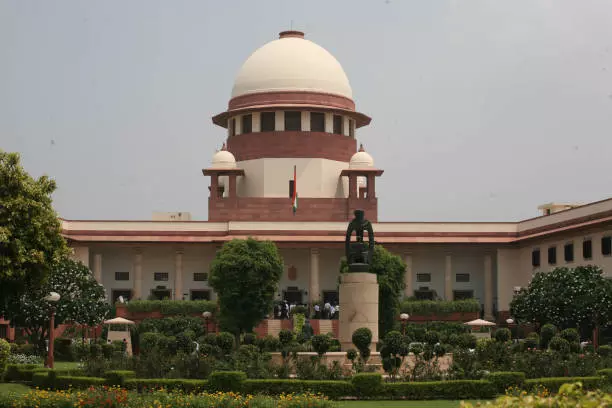
New Delhi: The Supreme Court of India held vacation courts during the winter break for the first time, with Chief Justice of India Surya Kant himself presiding over sittings to hear urgent matters requiring immediate judicial intervention.
While the apex court routinely constitutes vacation benches during the longer summer recess, now termed partial court working days, this was the first occasion it convened vacation benches during the shorter winter break. The Supreme Court remained closed for Christmas and New Year holidays from December 22 to January 2, 2026, and is scheduled to reopen on January 5.
CJI Kant, who was sworn in on November 24, had announced on December 19 that vacation benches, including one headed by him, would sit during the winter break to take up urgent cases.
On December 22, the first day of the winter recess, a vacation bench comprising the CJI and Joymalya Bagchi assembled and heard 17 urgent matters, spanning criminal and civil cases. The court said special sittings were arranged to ensure timely consideration of pressing issues during the vacation period.
On December 29, a three-judge vacation bench led by the CJI heard a suo motu matter on the definition of the Aravallis amid environmental concerns and kept in abeyance its November 20 directions that had accepted a uniform definition of the hill range. The bench comprised the CJI, J. K. Maheshwari, and Augustine George Masih. The same bench also stayed a Delhi High Court order suspending the life sentence of expelled BJP leader Kuldeep Singh Sengar in the 2017 Unnao rape case, directing that he shall not be released from custody.
On December 31, the final day of the year, a vacation bench of M.M. Sundresh and Prashant Kumar Mishra conducted online hearings in two cases, including a habeas corpus petition alleging illegal arrest by the Uttar Pradesh Police and a civil matter relating to a property dispute.
As part of efforts to improve court management and expedite justice delivery, the Supreme Court on December 29 also issued a Standard Operating Procedure prescribing timelines for oral arguments and the submission of written notes by lawyers. CJI Kant had earlier indicated that additional parameters to rationalise judicial time would be introduced in the new year.
( Source : Deccan Chronicle )

Next Story