SC Curbs Arbitrary Summons to Lawyers by Probe Agencies

SC rules police need written SP approval to summon advocates in criminal cases
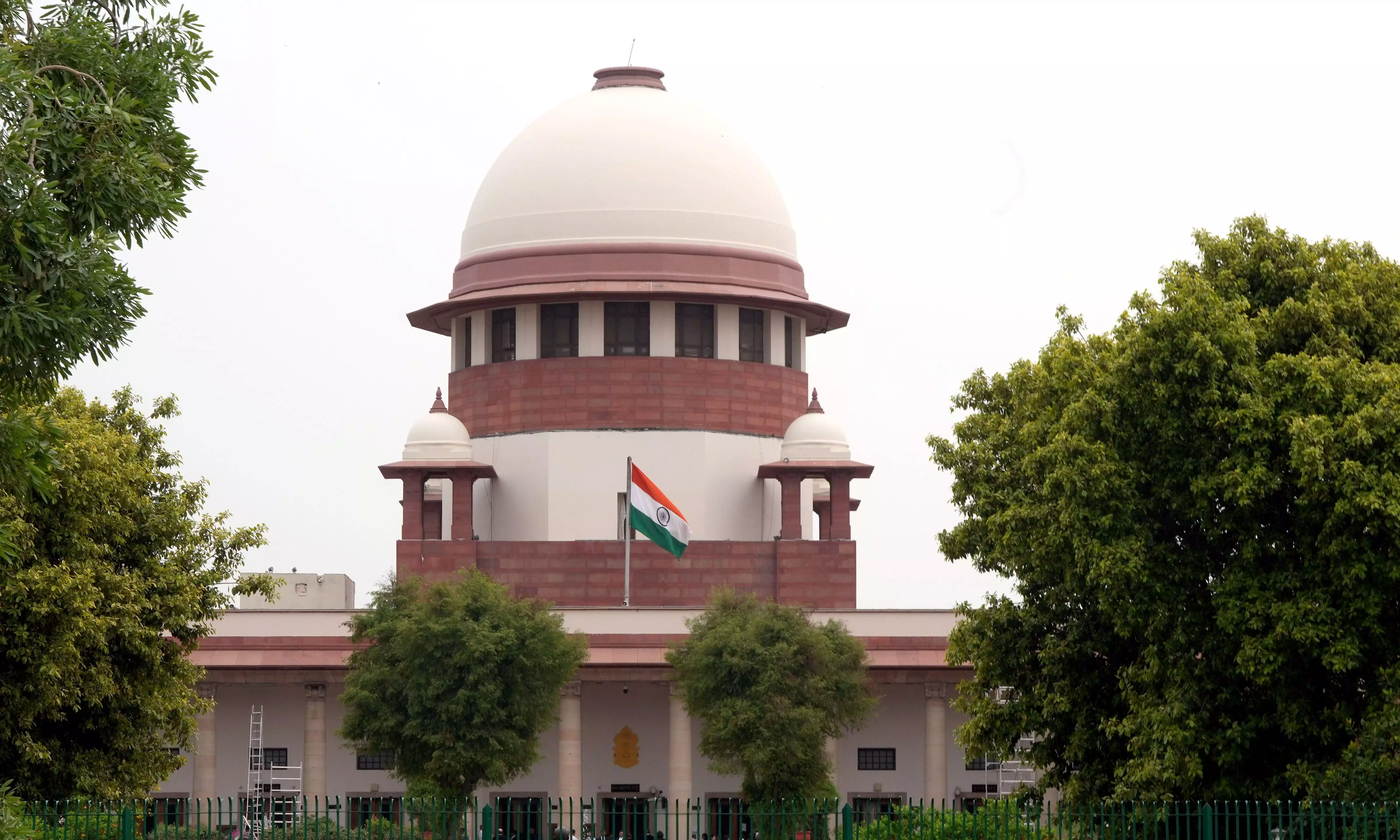
New Delhi: In a major verdict protecting the sanctity of lawyer-client privilege, the Supreme Court on Friday issued a set of directions to curb the arbitrary summoning of advocates by investigative agencies. The court ruled that investigating officers cannot summon lawyers in criminal cases without the written approval of a police superintendent.
The apex court also set aside the summons issued by the Enforcement Directorate (ED) to senior lawyers Arvind Datar and Pratap Venugopal, holding that they infringed the fundamental rights of the accused who had engaged them.
A three-judge bench comprising Chief Justice of India B.R. Gavai and Justices K. Vinod Chandran and N.V. Anjaria delivered the verdict in a suo motu case taken up after the ED issued summons to the two advocates in connection with a money laundering probe.
Pronouncing the judgment, Justice Chandran said the bench sought to “harmonise the exemption to the rule” protecting advocates, while ensuring procedural fairness. The court emphasised that its directions were intended to safeguard the legal profession from undue pressure by investigating agencies.
Referring to Section 132 of the Bharatiya Sakshya Adhiniyam (BSA), the court observed that the privilege of confidentiality belongs to the client, obligating the advocate not to disclose any professional communications made in confidence.
The verdict stated: “Investigating Officers in criminal cases or Station House Officers conducting preliminary enquiries shall not summon an advocate representing the accused to disclose case details unless it falls within the exceptions under Section 132 of the BSA. Any such summons must specify the facts justifying the exception and be issued only with the consent of a superior officer not below the rank of Superintendent of Police, who must record his satisfaction in writing.”
The court further directed that such summons would be subject to judicial review under the Bharatiya Nagrik Suraksha Sanhita (BNSS), 2023, at the instance of either the advocate or the client.
The bench clarified that the protection of non-disclosure applies to advocates engaged in both litigation and non-litigation matters, but does not extend to in-house counsel, as they are not practicing advocates under the BSA.
The court also held that documents belonging to the client but held by an advocate are not covered by privilege under Section 132. Any direction to produce digital devices must be made to the jurisdictional court, not the investigating officer. When such devices are examined, courts must protect the confidentiality of other clients’ data and restrict the discovery only to the permissible scope. The court added that in-house legal advisers are entitled to limited protection under Section 134 of the BSA regarding communications made in the course of their employment, but not for employer–counsel correspondence.
The verdict reaffirmed that “no advocate shall, without the client’s express consent, disclose any confidential communication, document, or advice made in the course of professional service.”
The suo motu proceedings arose after the ED summoned Datar and Venugopal, a move strongly condemned by the Supreme Court Bar Association and the Supreme Court Advocates-on-Record Association, who called it a “disturbing trend” that threatened the independence of the legal profession.
Following the uproar, the ED issued internal directions on June 20, barring its officers from summoning advocates in money laundering cases without prior approval from the Director and compliance with Section 132 of the BSA.
