Police Confession Cannot Be Sole Ground for Detention Under NSA: Supreme Court

Court quashes NSA detention, stresses preventive detention must be used only in exceptional cases
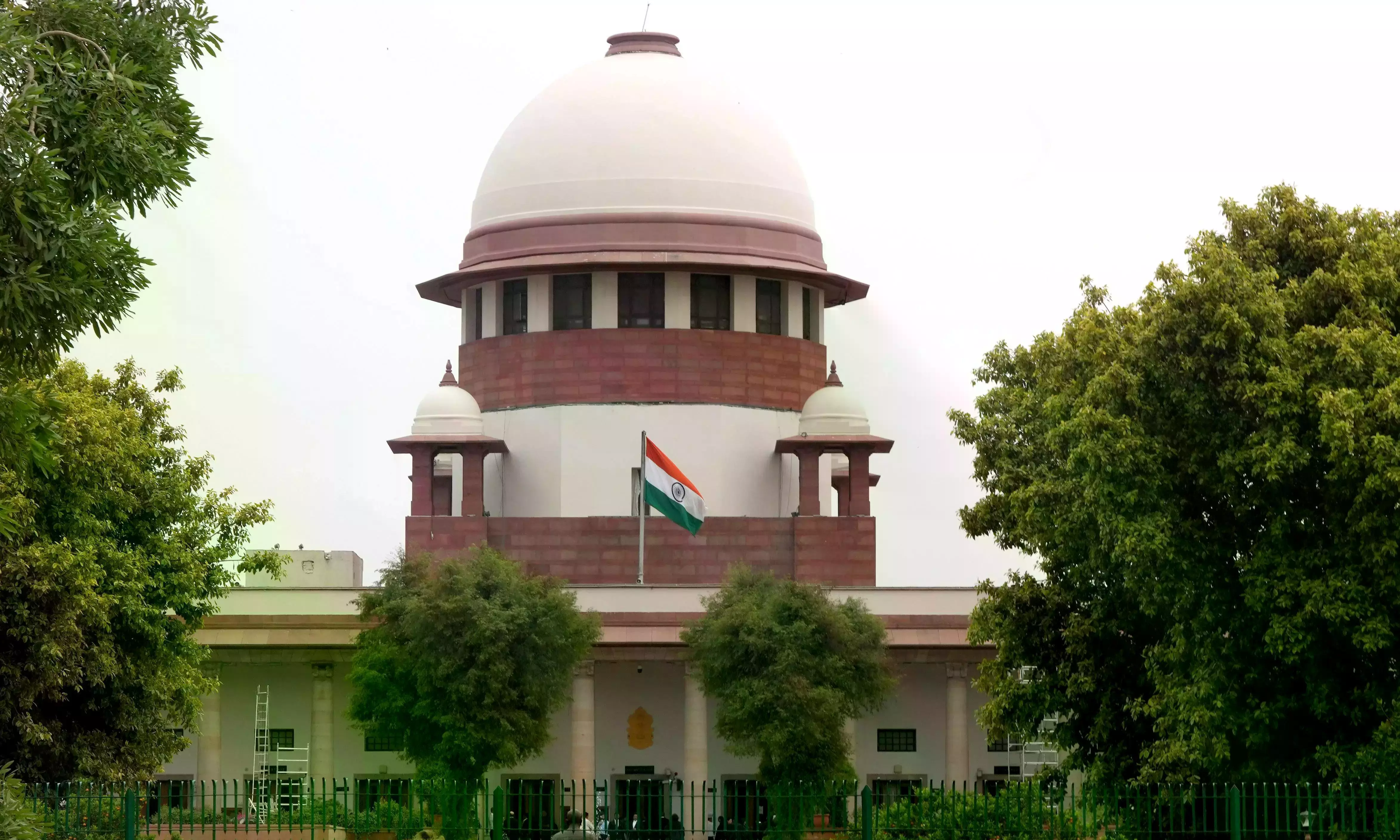
New Delhi: The Supreme Court on Tuesday ruled that the confession statement of an accused made before a police officer could not be the basis for detaining him under the National Security Act (NSA).
The apex court held that preventive detention had always been regarded as an exceptional measure and, therefore, must be invoked with the utmost circumspection and only in those rarest of rare cases where the circumstances genuinely warranted such exercise.
The Uttar Pradesh police had invoked the stringent NSA against Mulla Afroz in October 2025 for his alleged role in the 2024 communal violence in Sambhal.
Underscoring that a confessional statement made before the police was not regarded as trustworthy evidence and was generally excluded from consideration against the maker, a bench of Justice Dipankar Datta and Justice Sheel Nagu said, "We are of the considered opinion that a confessional statement made before a police officer cannot, by itself and in the absence of any independent material lending support thereto, constitute a basis for forming the subjective satisfaction necessary to sustain an order of preventive detention.”
"To permit such a course would be to allow a detention order to rest upon a foundation which the law itself regards with suspicion and excludes from evidentiary consideration," the top court said.
It said that if the detaining authority had relied upon other materials apart from the confessional statement, the court had to ascertain whether the detention can be upheld based on such other materials.
"We reiterate that a mere confessional statement of the detenu (without any other substantive grounds or material) cannot be relied on as the sole ground for passing an order of detention. This especially holds true in the facts of the present case where the detenu has consistently stated that his confessional statement has been obtained under threat and torture," the top court said while quashing the preventive detention of Mulla Afroz.
