Compared to last year, temperatures remained mostly below normal due to the frequent formation of upper air circulations and troughs: Dr A. Dharma Raju
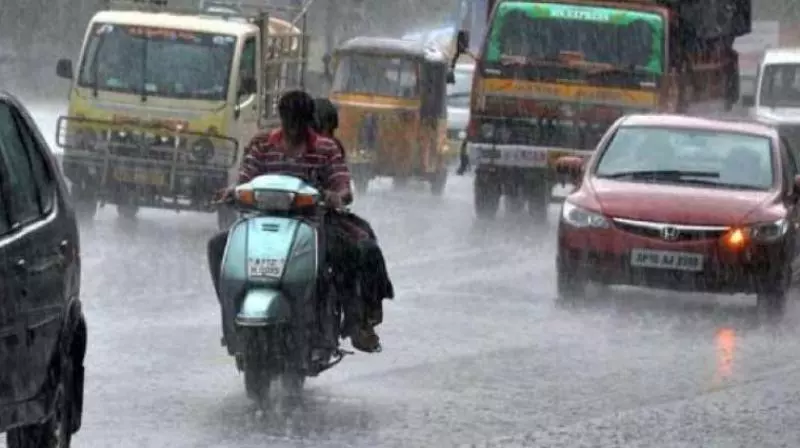
HYDERABAD: Hyderabad saw its coolest May in over 20 years, with temperatures remaining consistently below normal and gradually declining through the month. According to the India Meteorological Department (IMD), the city began May with highs of 39º to 40º Celsius, which fell to 30 to 33º by the end of the month, an unusually steep drop of up to 9º C.
While not the coldest May on record, it was the mildest pre-monsoon spell since 1999. However, nationally, May ranked among the coldest in nearly a century. The all-India maximum temperature was 1.52º Celsius below normal, the seventh lowest since 1901.
Over the southern peninsula, maximum temperatures were 2.25ºC degrees below normal, the fifth lowest since 1901, and mean temperatures were the sixth lowest ever recorded.
Dr A. Dharma Raju, scientist at the Aerodrome Meteorological Office, IMD Hyderabad, explained that the drop in temperatures this year was due to persistent changes in upper-level atmospheric conditions. “Compared to last year, temperatures remained mostly below normal due to the frequent formation of upper air circulations and troughs. These systems triggered local weather activity and kept the daytime temperatures low. This pattern occurred more frequently this summer than in the past twenty years,” he said. He also pointed out that February was warmer than usual which indicates that seasonal transitions may be shifting.
Dr Raju described this change as a systematic anomaly, where temperatures fell steadily rather than in isolated dips. This contrasts with Hyderabad’s usual temperature profile for May, which typically ranges from 23.8 to 38.9º C. He outlined three major mechanisms that contributed to the phenomenon.
Scientifically, these were adiabatic cooling (air temperature decreasing without any change in pressure) due to upper-level divergence; shifts in north‑south heat transport across the Deccan Plateau and; the atmospheric stabilisation from subsidence preventing normal pre‑monsoon warming.
“The atmosphere remained stable and heat build‑up was arrested,” Dr Raju added. Hyderabad did not experience any major heat waves this May. This absence is unusual, as the state normally records between seven and nine alerts during the month.
An early arrival of the southwest monsoon and frequent thunderstorms also played a role. The IMD recorded widespread thunderstorms, lightning and gusty winds during the first three weeks of May. The onset of the monsoon began early from May 26-27 in Telangana and May 24 on Kerala’s coast, the earliest in 16 years.
Medak received a record-breaking 117 mm rain on May 22 which exceeds its previous record from 1990. At the national level, May rainfall was 126.7 mm which is 106 per cent above the long‑period average with South Peninsular India receiving nearly 200 mm, the second highest since 1901.

