The protest comes just days before Theresa May triggers Article 50 to begin the exit process on March 29.
 Britain says it would be best to negotiate the two in parallel and that settling trade issues may even help with other problems such as the future EU-UK border between Northern Ireland and the Republic. (Photo: File)
- Organizers considered delaying the long-planned march because of the attack - in part to avoid putting extra strain on British police - but decided to go ahead. (Photo: AFP)
- Even those who voted to leave, said it would be better for the nation to unite before talks with the EU begin. (Photo: AFP)
- The march wound its way along arterial roads of the capital around Park Lane, Green Park, before heading towards parliament, where a higher level of security was in place in view of last Wednesday's attack that left five dead and many injured. (Photo: AP)
- Demonstrators held placards, waved the EU flags and had their faces painted in support of the march. (Photo: AFP)
- Brexit negotiations are expected to take at least two years. (Photo: AP)
- But many have argued since, including at Saturday's rally, that a second referendum is needed to allow British voters to decide on the terms and with full understanding of what an exit from the EU would entail. (Photo: AFP)
- In the UK referendum last year, 51.9% said Britain should leave, while 48.1% chose to remain. Turnout was 71.8% -- well above the threshold required. (Photo: AFP)
- Organised under the forum Unite for Europe, supporters said they were the 48% who voted to remain in the EU during the June 2016 referendum. (Photo: AFP)
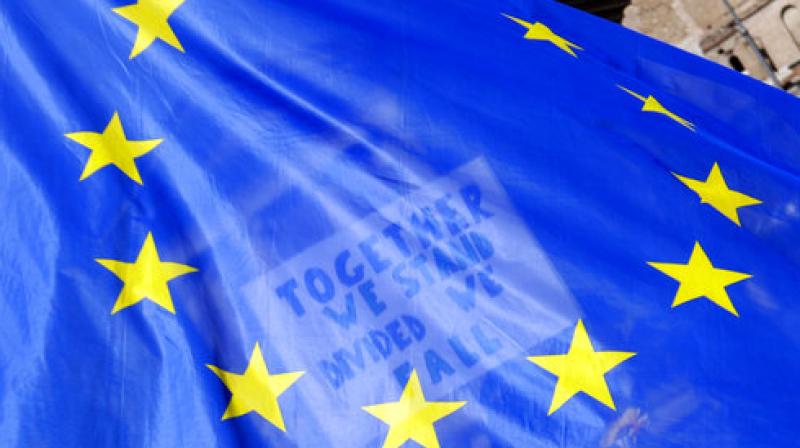
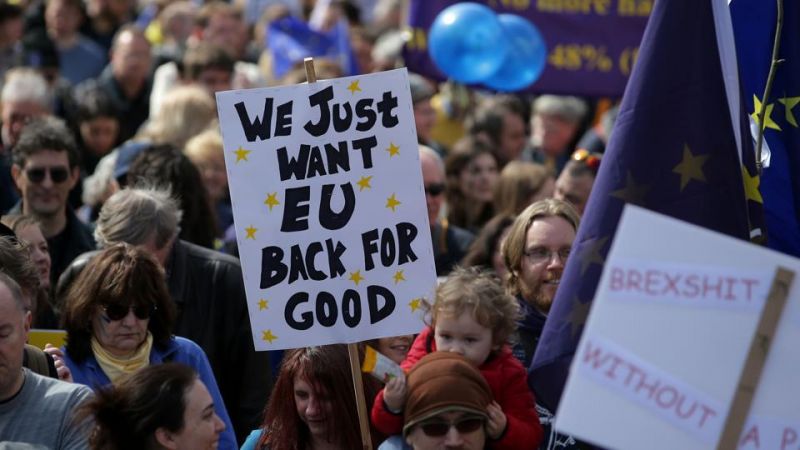
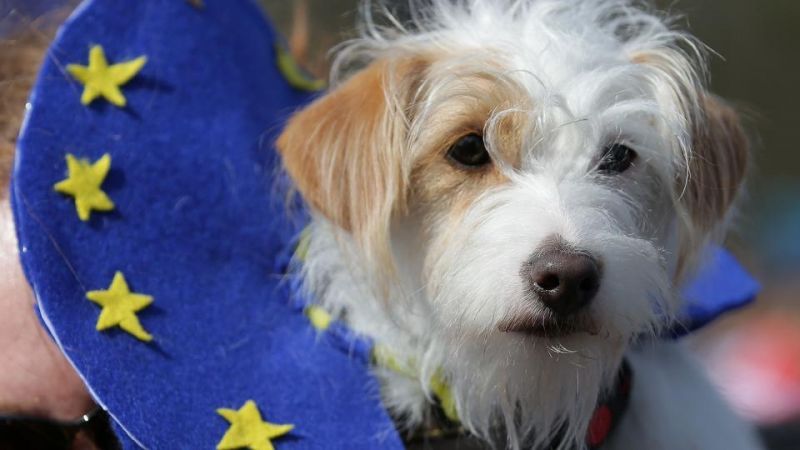
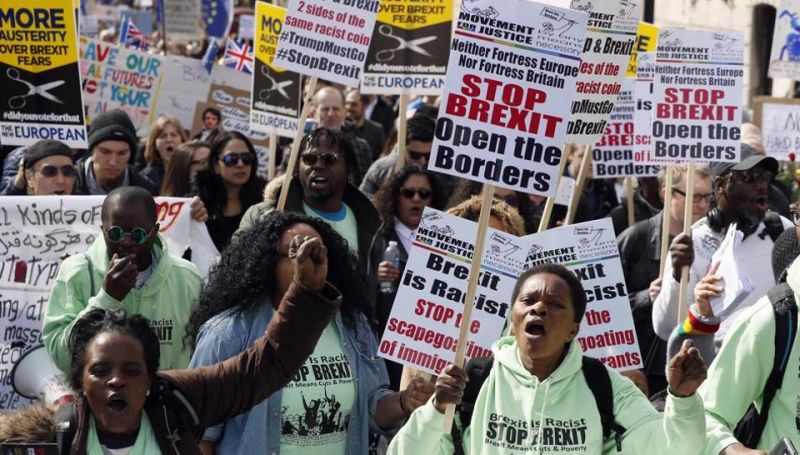
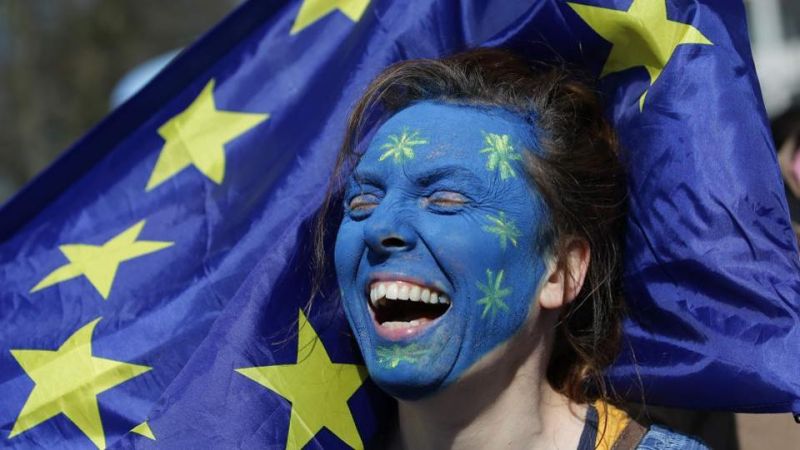
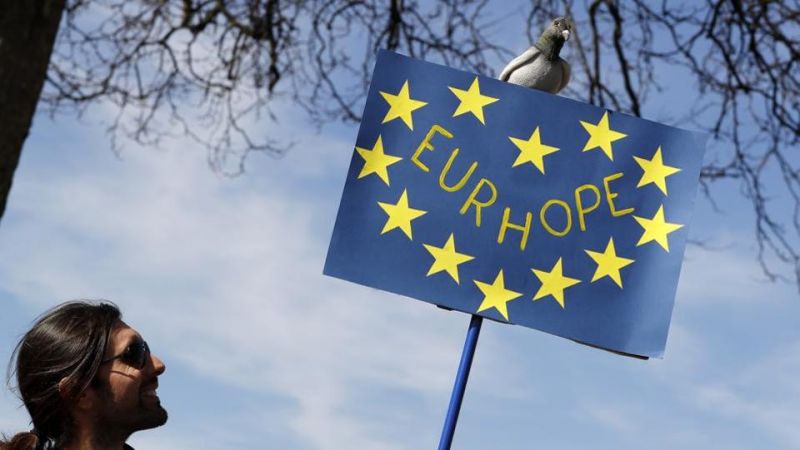
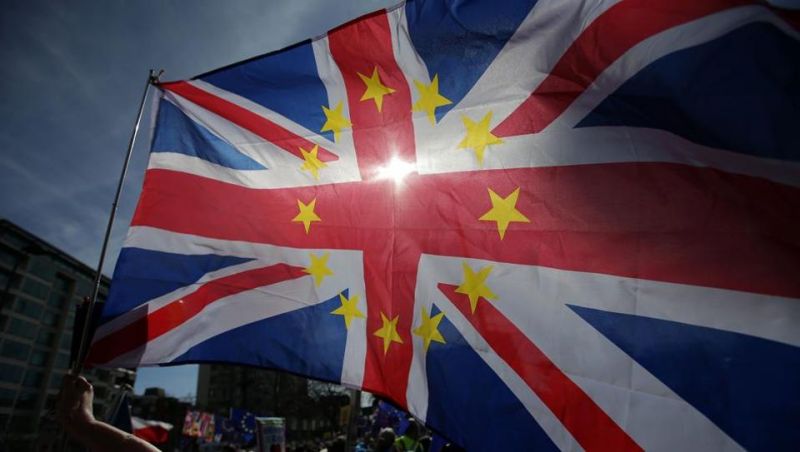
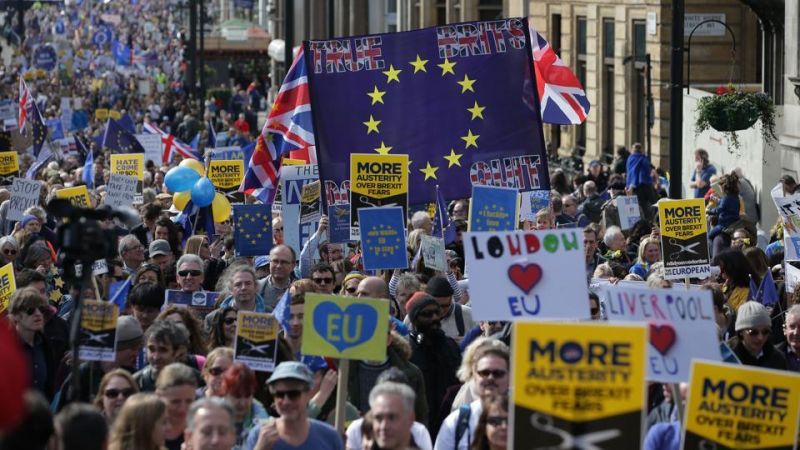
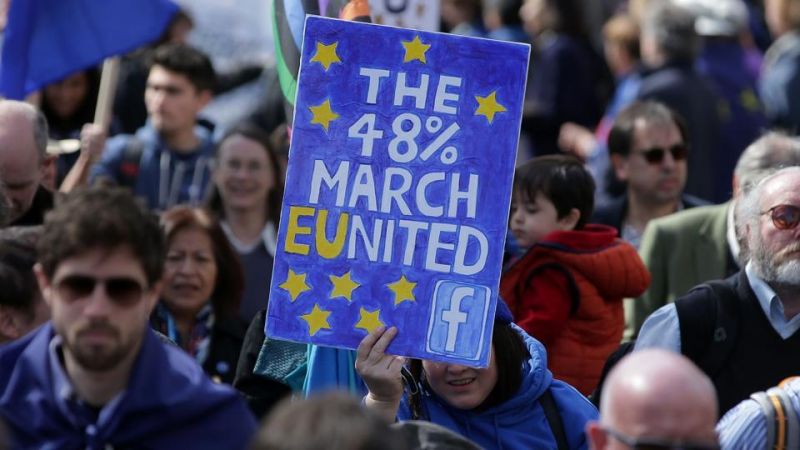
Only few days before Britain is expected to begin its formal separation from the 27 other EU nations, people at the Unite for Europe march were seen with bright blue EU flags. The protest, that demanded Brexit to be reversed, took place on Saturday, March 25, 2017. (Photo: AP)
The protest comes just days before Theresa May triggers Article 50 to begin the exit process on March 29.


Next Story