Cholera is spreading quickly as a drought worsens in the Horn of Africa country.
 Cholera is spread via food or water contaminated with the faeces or vomit of someone carrying the disease, a particular risk in overcrowded areas such as refugee camps. The World Health Organization says a cholera outbreak in Somalia has grown to more than 25,000 cases this year alone and is expected to double by the end of June. (Photo: AFP)
- Cholera is caused by the bacterium Vibrio cholerae, which causes the cells lining the intestine to produce large amounts of fluid, leading to violent diarrhoea and vomiting.
- According to a UN humanitarian report, the cholera outbreak will “intensify and spread during the upcoming rainy season due to continued conflict.â€
- The cholera epidemic is most prevalent among women and children. Its victims can die an agonising death.
- A deadly outbreak of cholera has killed hundreds of people fleeing conflict in South Sudan. The disease is only worsened by the lack of clean water during drought.
- Famine was declared in two counties of South Sudan in February 2017. The disaster is part of an arc of hunger and violence threatening 20 million people as it stretches across Africa into the Middle East.
- UN Development Program country director David Akopyan says 13 of the country's 18 regions have reported cholera cases.
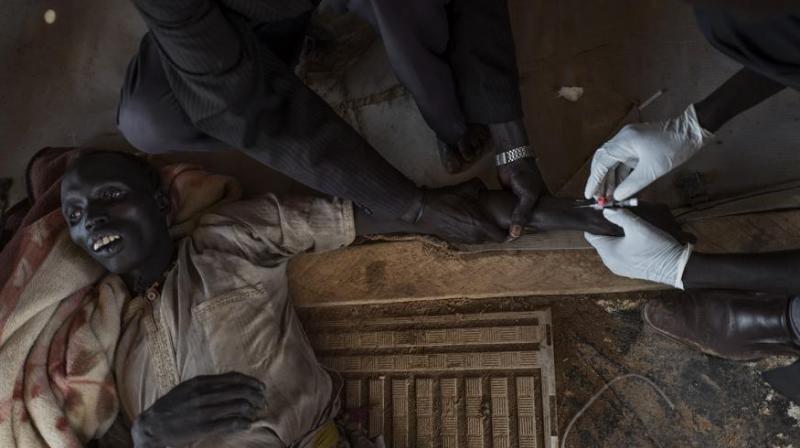
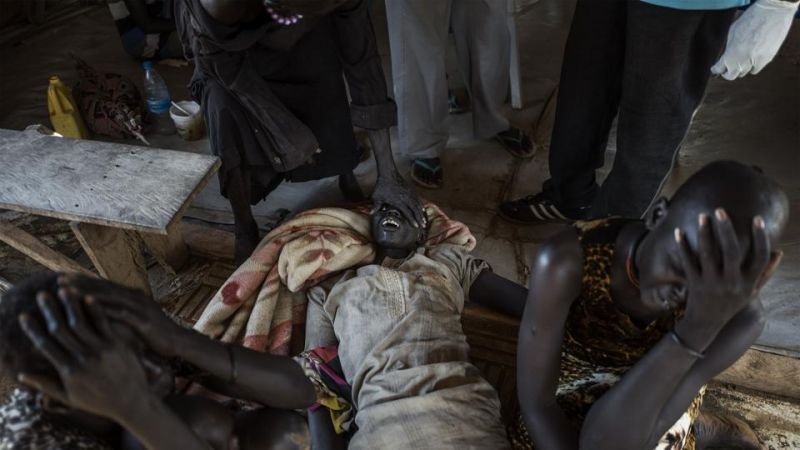
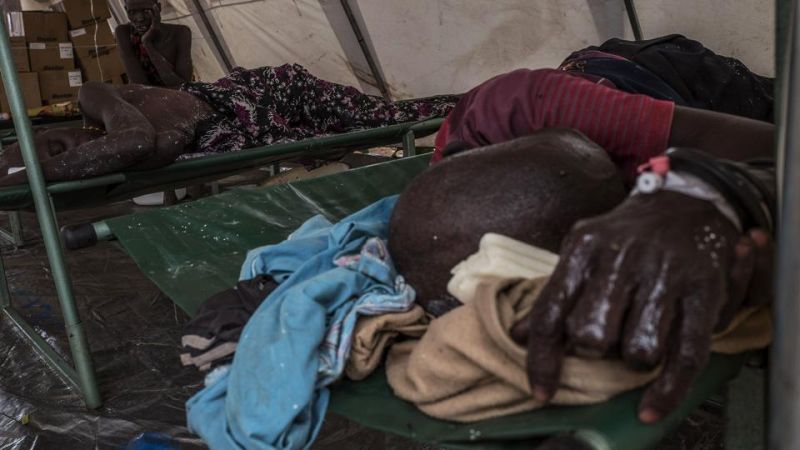
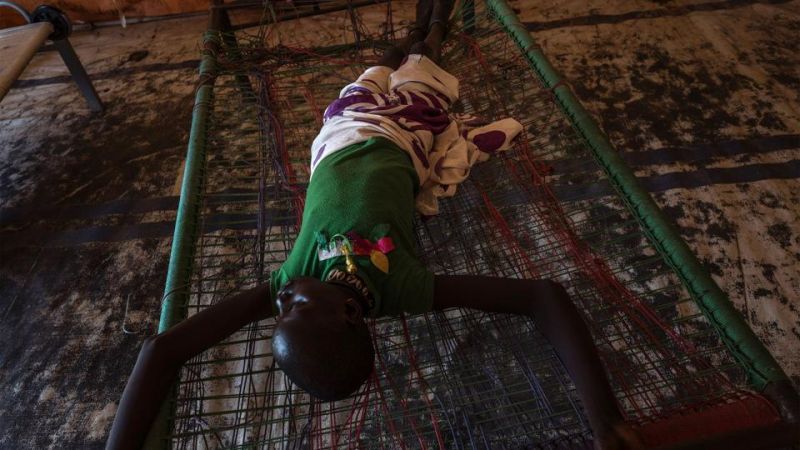
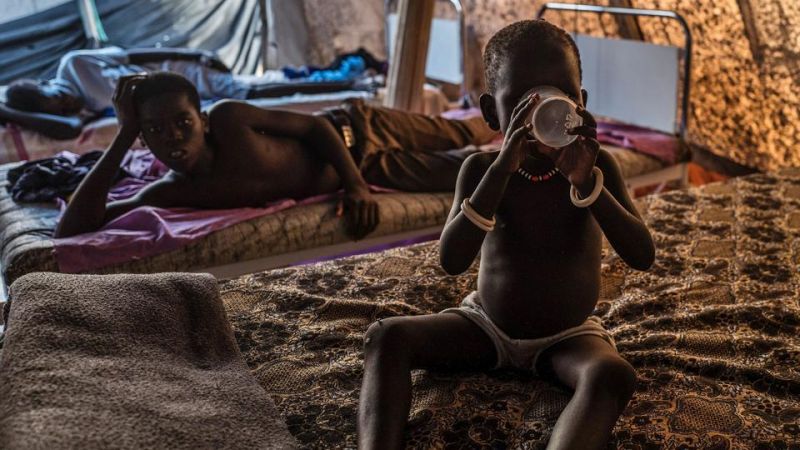
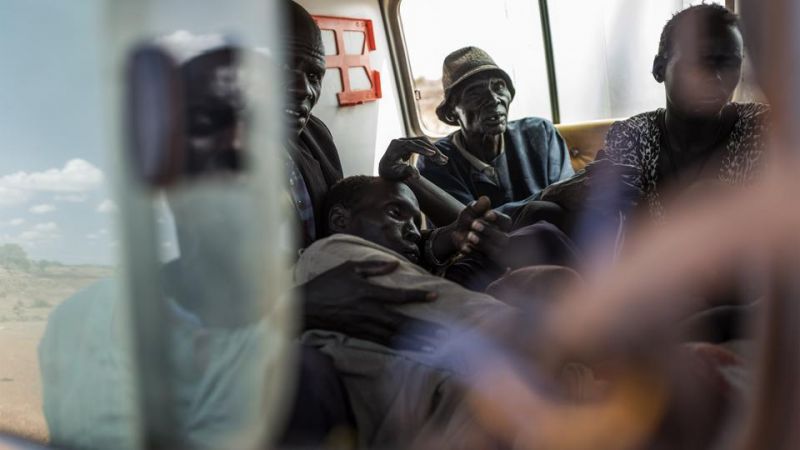
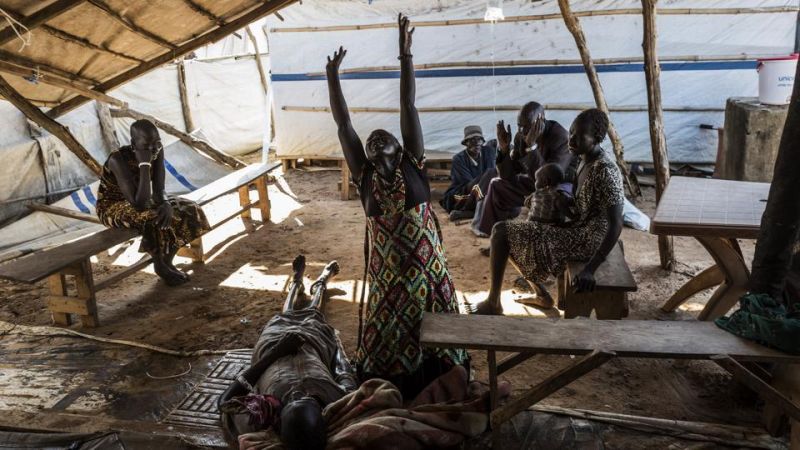
Cholera is spread via food or water contaminated with the faeces or vomit of someone carrying the disease, a particular risk in overcrowded areas such as refugee camps. The World Health Organization says a cholera outbreak in Somalia has grown to more than 25,000 cases this year alone and is expected to double by the end of June. (Photo: AFP)
Cholera is spreading quickly as a drought worsens in the Horn of Africa country.


Next Story