Sri Lanka cracks down on owners of elephants taken from wild

2 Nov 2016 2:46 PM IST2 Nov 2016 2:46 PM IST
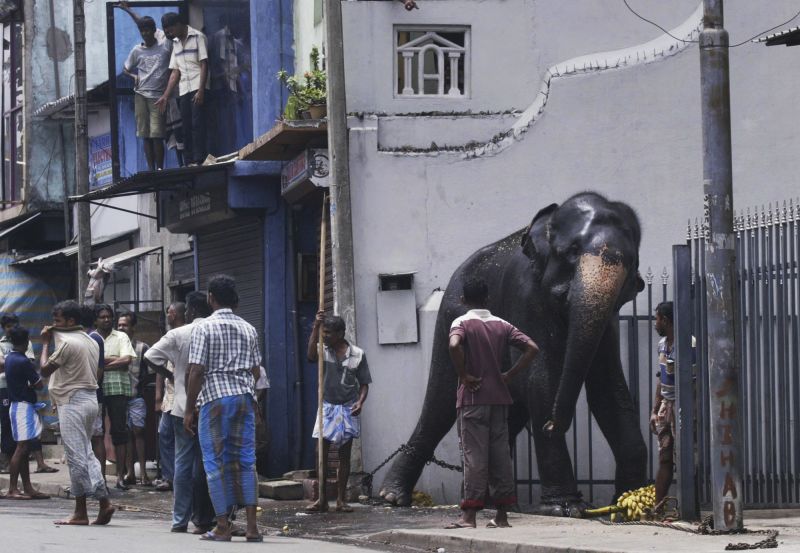
In Sri Lanka, an elephant in the backyard has long been a sign of wealth, privilege and power.
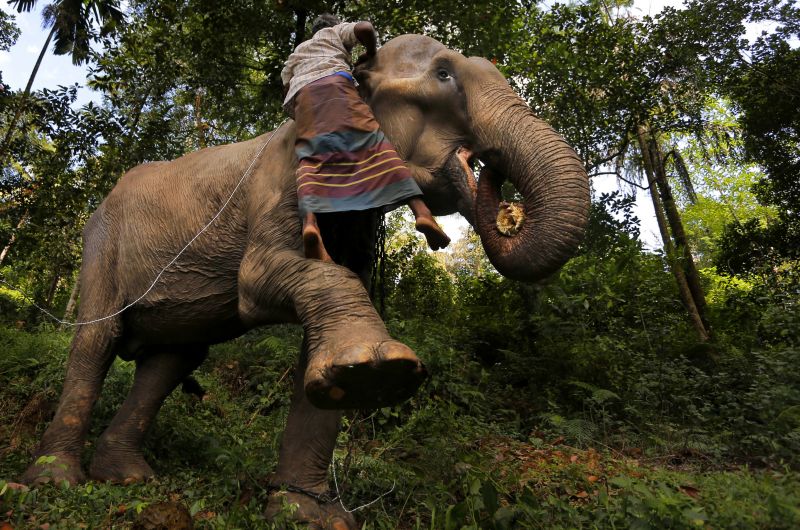
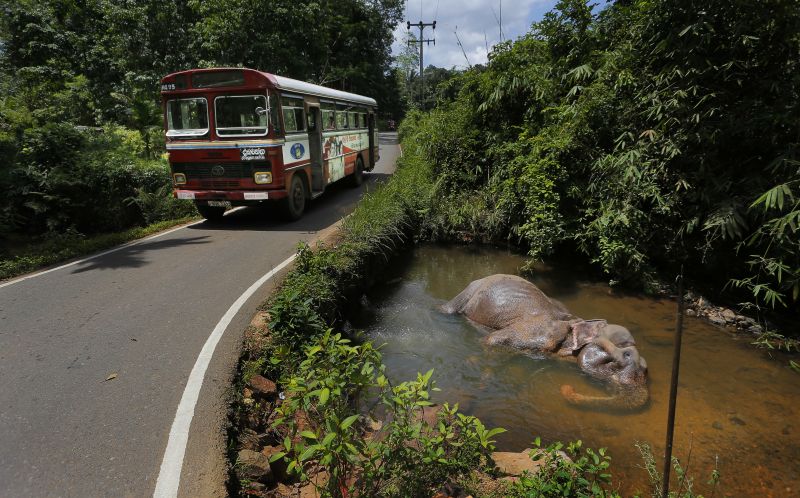
 In Sri Lanka, an elephant in the backyard has long been a sign of wealth, privilege and power. But these days it may also be a sign that someone is breaking the law.
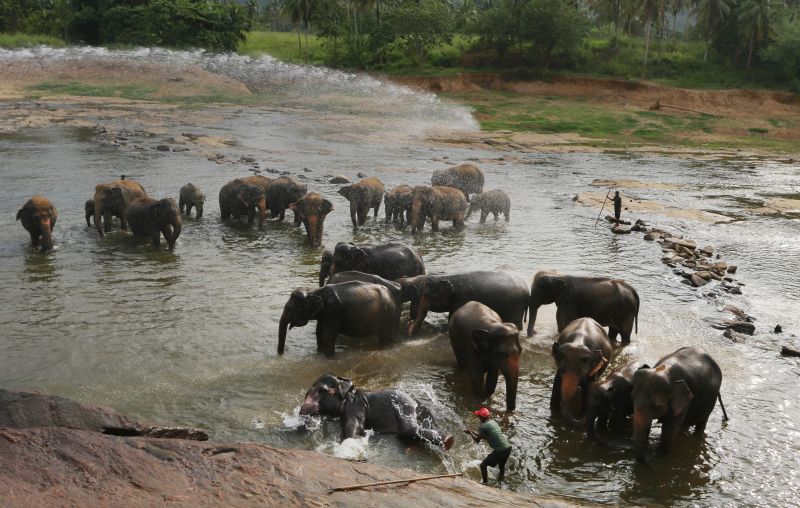
- Under the plan, some would be kept in a so-called elephant orphanage. But some would go to families or temples that are financially capable of feeding and caring for them.
- The government is planning to set up its own pool of captive animals to be hired out to temples for ceremonies.
- Conservationists said that, given the importance given to using elephants in religious ceremonies, the government should be stepping in to manage their care while ensuring no more are captured in the wild.
- But while the population has grown since then to nearly 6,000, according to the island's first official elephant census in 2011, they are still considered endangered and under threat from habitat loss and degradation. They are confined to small, isolated pockets of jungle and pasture in the north and the east.
- The Sri Lankan elephant is one of three subspecies of Asian elephant and is found only on the teardrop-shaped Indian Ocean island. In the 19th century there were believed to be up to 14,000. That number fell to fewer than 3,000 before hunting and capture were banned.
- Aware of the ongoing elephant racket, authorities have been cracking down. In the last two years, the government has confiscated 39 elephants whose owners produced either false permits or none at all. Some had paid as much as $200,000 per captured animal when a previous government was in office.
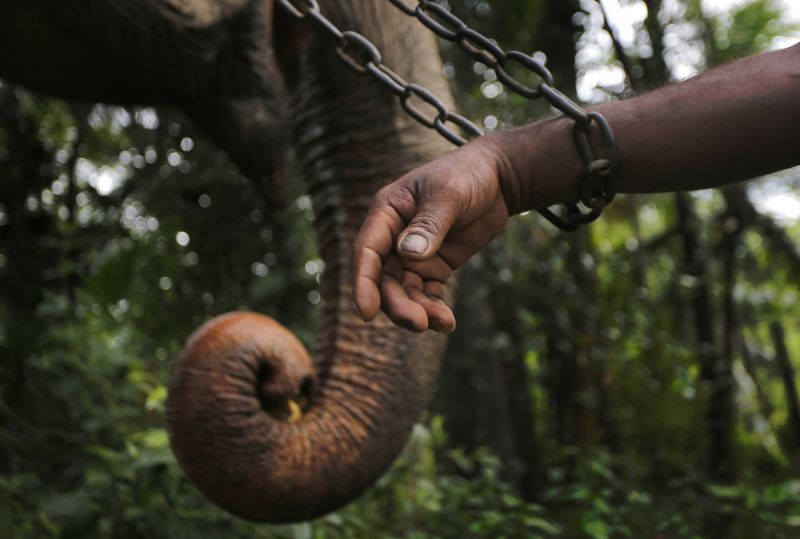
- The practice of taming wild elephants includes starving, beating and scaring them into submission, while keeping them chained up at all times, conservationists say.
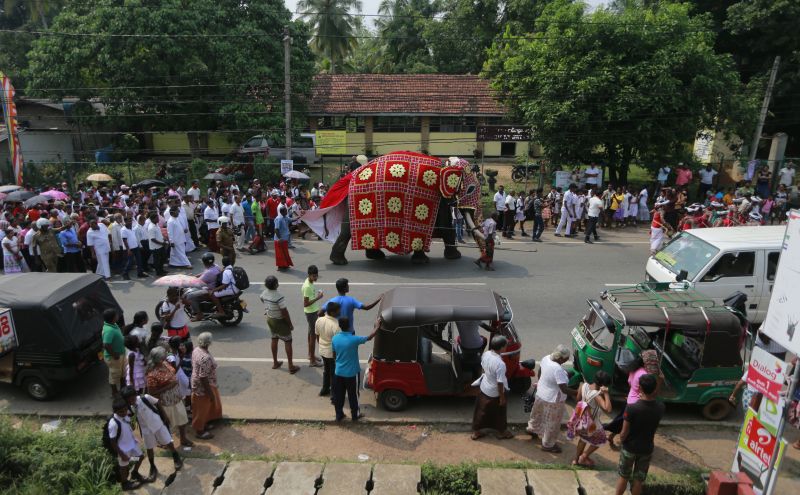
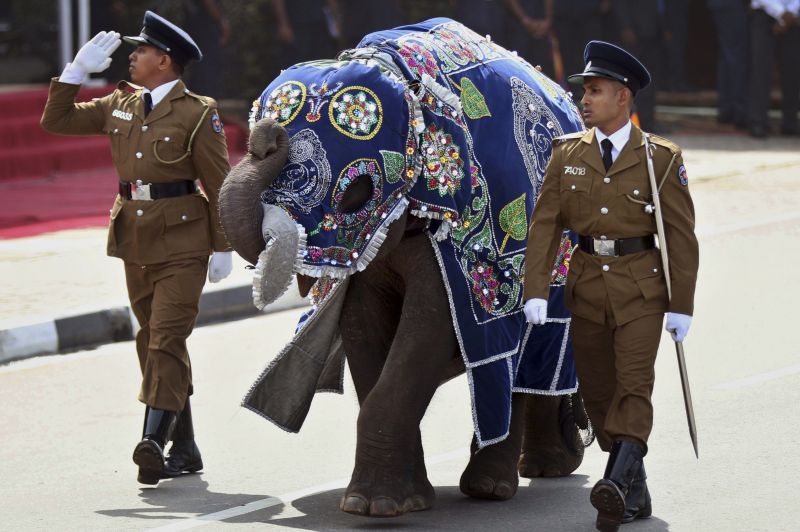
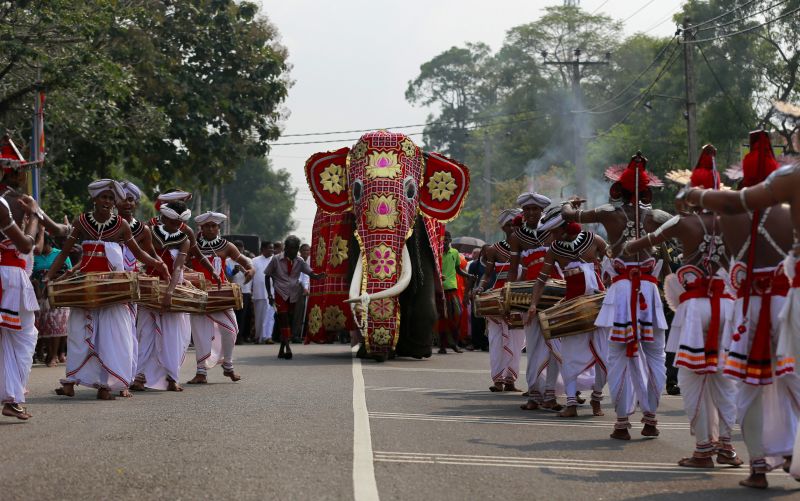
- Despite concerns that the animals may be abused, spectators always expect a parade of elephants wearing jangling ornaments, and babies are a special attraction.
- Yet they are a staple of the South Asian island nation's 400 or so yearly processions and in each there are always a few young elephants clumsily cantering to keep up.
- Capturing wild elephants has been banned for decades here. Registration records indicate there should be only 127 elephants in captivity, most of them older.
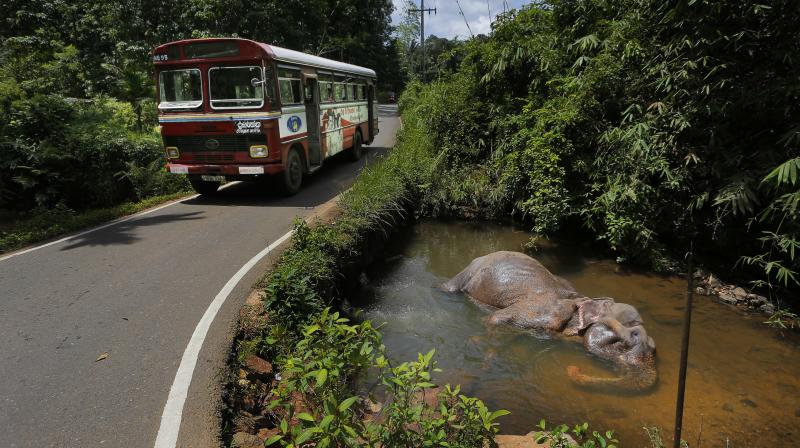
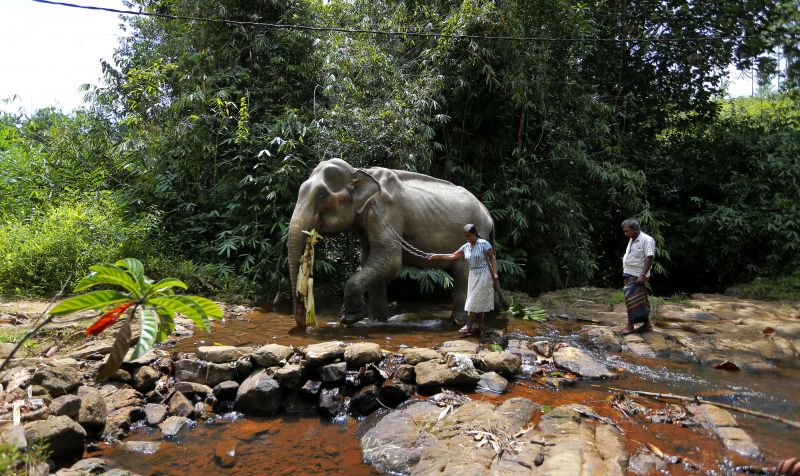
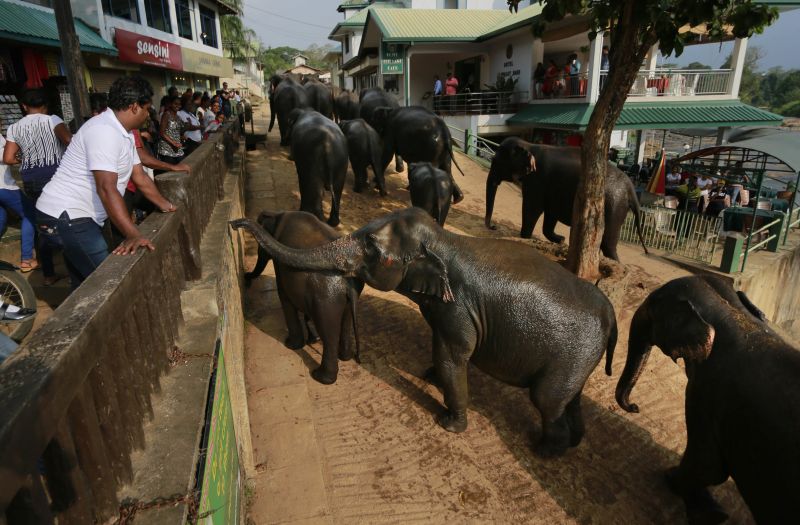
In Sri Lanka, an elephant in the backyard has long been a sign of wealth, privilege and power. But these days it may also be a sign that someone is breaking the law.
In Sri Lanka, an elephant in the backyard has long been a sign of wealth, privilege and power.

Next Story